
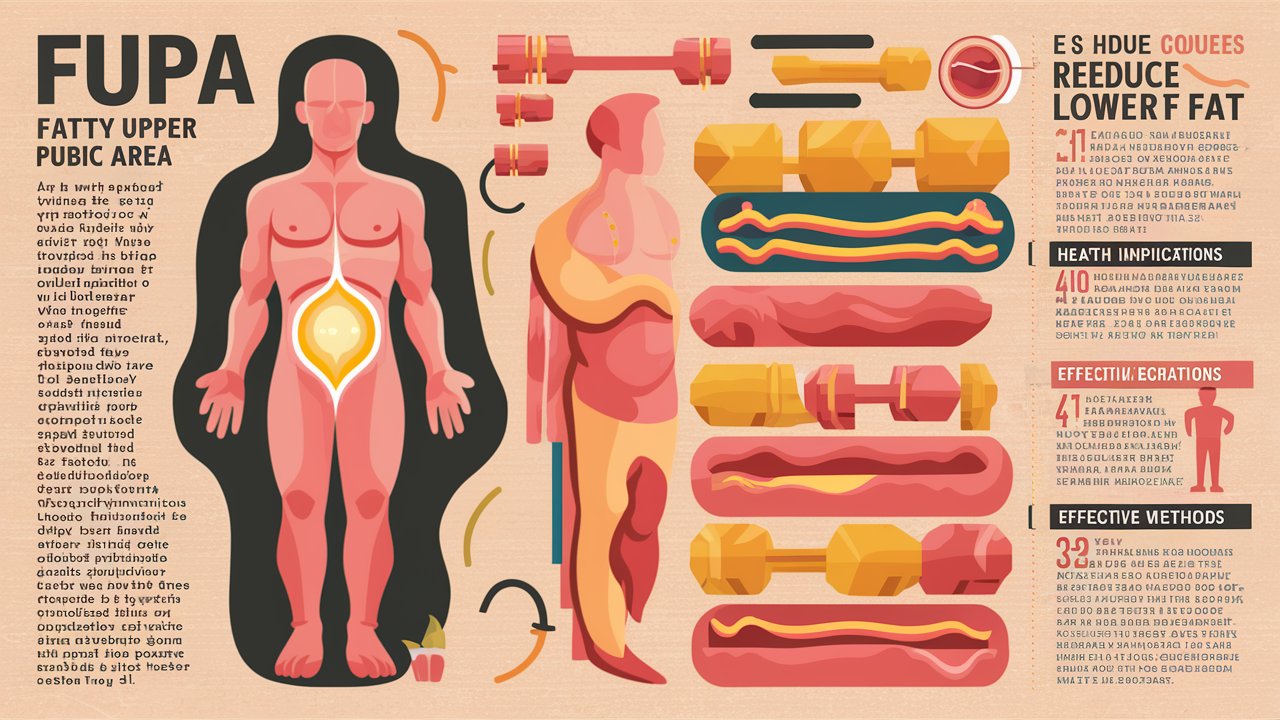
The term FUPA, commonly used in everyday conversations and online searches, refers to excess fat located in the upper pubic area, just below the lower abdomen. While the term itself is informal slang, the condition it describes is medically related to fat accumulation in the mons pubis region. Many people search for information about FUPA because they notice changes in their lower belly shape due to weight gain, pregnancy, aging, hormonal shifts, or genetics. Although having a FUPA is completely normal and common among both women and men, it can affect self-confidence, clothing fit, and overall body image. Understanding what causes FUPA and exploring realistic ways to manage or reduce it can help individuals make informed decisions about their health and wellness journey.
FUPA Meaning and What It Refers To
FUPA is an acronym that typically refers to excess fat in the fatty tissue covering the pubic bone. Anatomically, this area is known as the mons pubis. The body naturally stores fat in different regions, and for many individuals, the lower abdominal and pubic area becomes a storage site due to genetic predisposition and hormonal factors. Unlike visceral fat that surrounds internal organs, FUPA usually consists of subcutaneous fat, which lies directly under the skin. While it is often discussed in cosmetic terms, it is important to understand that this fat accumulation is not abnormal and does not automatically indicate poor health. Bodies naturally vary in shape and fat distribution patterns, and the presence of a FUPA is often simply part of natural body composition.
What Causes FUPA?
There are several contributing factors to the development of a FUPA, and in most cases, it is not caused by a single issue but rather a combination of influences. One of the most common causes is overall weight gain. When the body stores excess calories, it distributes fat according to genetic programming, and for many people, the lower abdomen becomes a primary storage area. Hormonal changes, especially those related to pregnancy, menopause, or hormonal imbalances, can also increase fat storage in this region. Pregnancy is a particularly common cause, as the abdominal wall stretches and the body stores additional fat to support fetal development.
Another significant factor is aging. As people grow older, metabolism naturally slows down, and muscle mass decreases. This shift often leads to increased fat retention in the lower abdominal area. Genetics also play a major role, as some individuals are naturally predisposed to store fat in the lower belly regardless of their overall body weight. In some cases, previous surgeries such as C-sections can alter fat distribution or create scar tissue that changes the appearance of the lower abdomen, contributing to the prominence of a FUPA.
Is FUPA a Health Concern?
In most cases, a FUPA is not a direct medical concern. Because it typically involves subcutaneous fat rather than visceral fat, it does not carry the same metabolic risks associated with deeper abdominal fat surrounding internal organs. However, if the presence of a FUPA is linked to overall obesity or significant weight gain, there may be broader health considerations such as increased risk for heart disease, insulin resistance, or joint strain. It is important to distinguish between localized fat and systemic health issues. A person can have a FUPA and still be physically healthy.
Psychologically, however, body image concerns can affect self-esteem and mental well-being. Social pressure and unrealistic beauty standards often amplify insecurities about body shape. Therefore, addressing FUPA concerns may involve both physical health strategies and a balanced approach to body positivity and self-acceptance.
How to Reduce FUPA Naturally
Reducing FUPA naturally requires a comprehensive approach rather than spot reduction, which is largely a myth. The body does not selectively burn fat from a single targeted area through exercise alone. Instead, overall fat reduction combined with muscle strengthening tends to gradually reduce fat deposits, including those in the lower abdominal region.
A well-balanced diet is the foundation of fat reduction. Consuming whole foods rich in lean protein, fiber, healthy fats, and complex carbohydrates can help regulate calorie intake and stabilize blood sugar levels. Reducing processed foods, sugary beverages, and excessive refined carbohydrates plays a significant role in managing overall body fat. Hydration is equally important, as adequate water intake supports metabolism and digestion.
Exercise should combine cardiovascular training and strength training for optimal results. Cardiovascular activities such as brisk walking, cycling, swimming, or running increase calorie expenditure and support overall fat loss. Strength training exercises targeting the core, such as planks, leg raises, reverse crunches, and pelvic tilts, can strengthen the lower abdominal muscles. While these exercises may not directly eliminate FUPA fat alone, they improve muscle tone and overall appearance as body fat decreases.
Consistency is crucial, as gradual and sustainable lifestyle changes produce better long-term outcomes than extreme dieting or rapid weight-loss methods.
Medical and Cosmetic Treatment Options
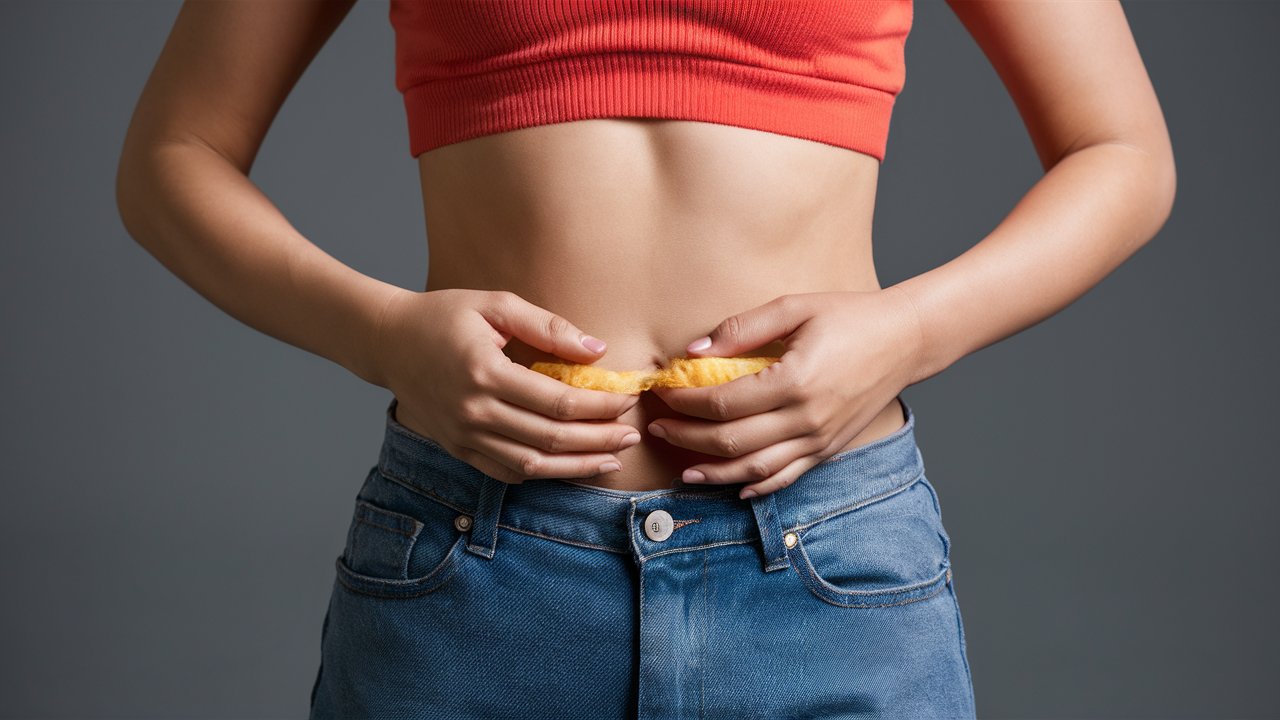
For individuals seeking faster or more dramatic results, medical options are available. Liposuction is one of the most common cosmetic procedures used to remove localized fat deposits in the pubic area. Another option is a mons pubis reduction surgery, which specifically targets excess fat and skin in that region. Non-invasive treatments such as CoolSculpting may also reduce fat cells by freezing them, although results vary.
It is essential to consult a qualified medical professional before considering any procedure. Medical treatments carry risks, recovery time, and financial costs that should be carefully evaluated. These procedures are typically considered cosmetic rather than medically necessary.
Body Positivity and Self-Acceptance
While there are ways to reduce FUPA, it is equally important to emphasize that having one is normal. Human bodies naturally store fat in different patterns, and lower belly fullness is extremely common across genders and body types. Social media and edited images often create unrealistic expectations that do not reflect natural anatomy. Embracing body diversity while pursuing health goals from a place of self-care rather than shame creates a more sustainable and mentally healthy approach.
Conclusion
FUPA refers to excess fat in the upper pubic area and is a common and natural aspect of body fat distribution. It can result from weight gain, pregnancy, hormonal changes, aging, genetics, or surgery. In most cases, it is not a serious medical concern but rather a cosmetic or personal comfort issue. Reducing FUPA naturally involves overall fat loss through balanced nutrition, consistent exercise, and lifestyle changes. Medical treatments are available for those seeking targeted results, but they require careful consideration. Ultimately, understanding your body and approaching changes with realistic expectations and self-acceptance is key to long-term confidence and well-being.
❓ Frequently Asked Questions (FAQ)
1. What does FUPA stand for?
FUPA is a slang term commonly used to describe excess fat in the upper pubic area, medically related to the mons pubis region.
2. Can you target FUPA with specific exercises?
Spot reduction is not scientifically supported. However, core-strengthening exercises combined with overall fat loss can reduce its appearance over time.
3. Is FUPA dangerous to health?
In most cases, no. It typically involves subcutaneous fat and is not inherently dangerous unless associated with overall obesity or metabolic conditions.
4. How long does it take to reduce FUPA?
Results vary depending on diet, exercise consistency, metabolism, and body composition. Sustainable changes often take several weeks to months.
5. Can pregnancy cause FUPA?
Yes. Pregnancy can stretch abdominal tissues and alter fat distribution, making the lower abdominal area more prominent postpartum.
