
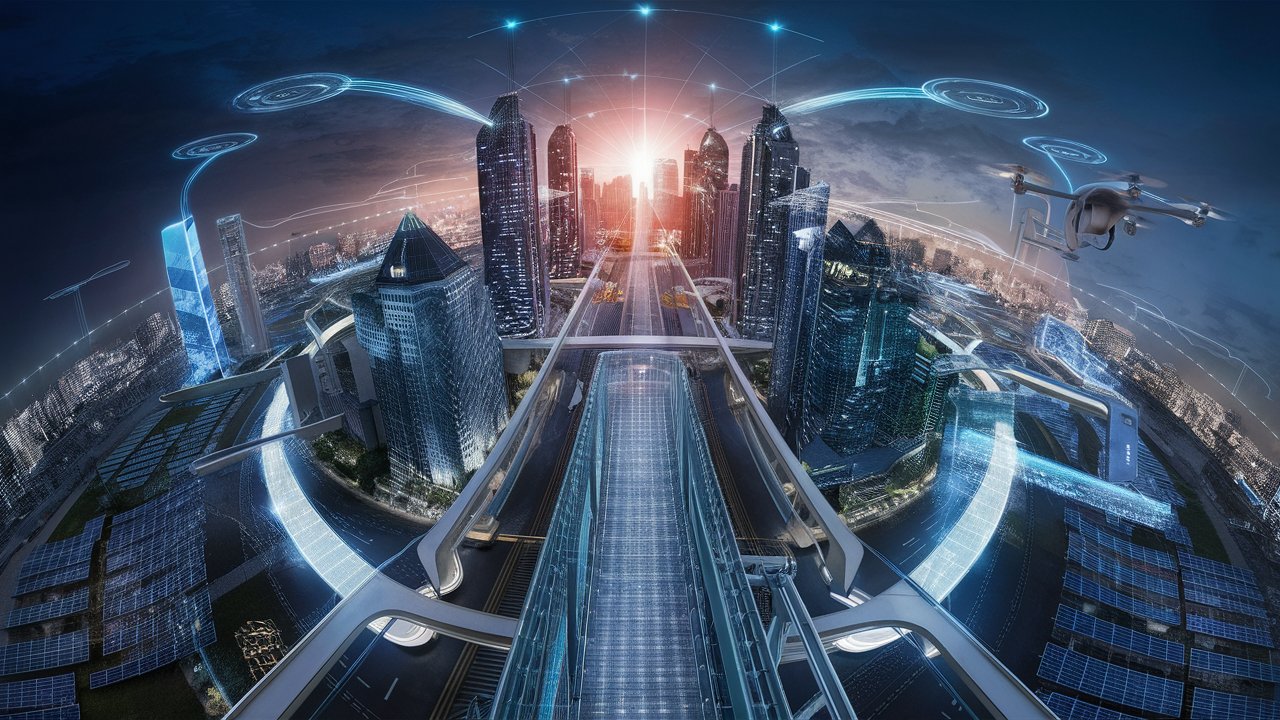
Smart city technologies are revolutionizing the way urban areas function, making cities more efficient, sustainable, and livable. As the global population continues to urbanize, the demand for intelligent infrastructure and digital innovation has never been greater. Smart city technologies integrate information and communication systems, the Internet of Things (IoT), artificial intelligence (AI), and data analytics to optimize city operations, improve public services, and enhance the quality of life for citizens. From smart transportation and energy management to waste reduction and digital governance, these technologies are shaping the cities of tomorrow. This article explores the key aspects of smart city technologies, their benefits, challenges, and the future of urban development.
Smart City Technologies and Their Impact on Urban Development
Smart city technologies are redefining urban development by integrating digital innovation into every aspect of city life. These technologies enable city administrators to collect and analyze real-time data from various sources, allowing for better decision-making and efficient resource allocation. Smart infrastructure, such as intelligent lighting systems, automated waste management, and connected public services, enhances operational efficiency while reducing costs. Moreover, smart city technologies promote citizen engagement through digital platforms that allow residents to report issues, access services, and participate in governance. The result is a more transparent, responsive, and sustainable urban ecosystem that improves the overall quality of life.
Internet of Things (IoT) in Smart Cities
The Internet of Things (IoT) is the backbone of smart city technologies. IoT connects devices, sensors, and systems across the city, enabling seamless communication and data exchange. In a smart city, IoT applications can monitor air quality, manage traffic flow, optimize energy consumption, and even detect water leaks in real time. For example, smart parking systems use IoT sensors to guide drivers to available spaces, reducing congestion and fuel consumption. Similarly, smart waste bins equipped with sensors notify collection teams when they are full, ensuring timely disposal and cleaner streets. The integration of IoT in smart cities not only enhances efficiency but also contributes to sustainability by minimizing resource wastage.
Artificial Intelligence and Data Analytics in Smart City Technologies
Artificial intelligence (AI) and data analytics play a crucial role in interpreting the massive amounts of data generated by smart city systems. AI algorithms analyze patterns, predict trends, and automate decision-making processes, helping city planners and administrators make informed choices. For instance, AI-powered traffic management systems can predict congestion and adjust signal timings to improve flow. Data analytics also supports predictive maintenance of infrastructure, reducing downtime and costs. In public safety, AI-driven surveillance systems can detect unusual activities and alert authorities instantly. By combining AI and data analytics, smart city technologies create intelligent ecosystems that adapt to changing conditions and continuously improve urban living standards.
Smart Transportation Systems and Mobility Solutions
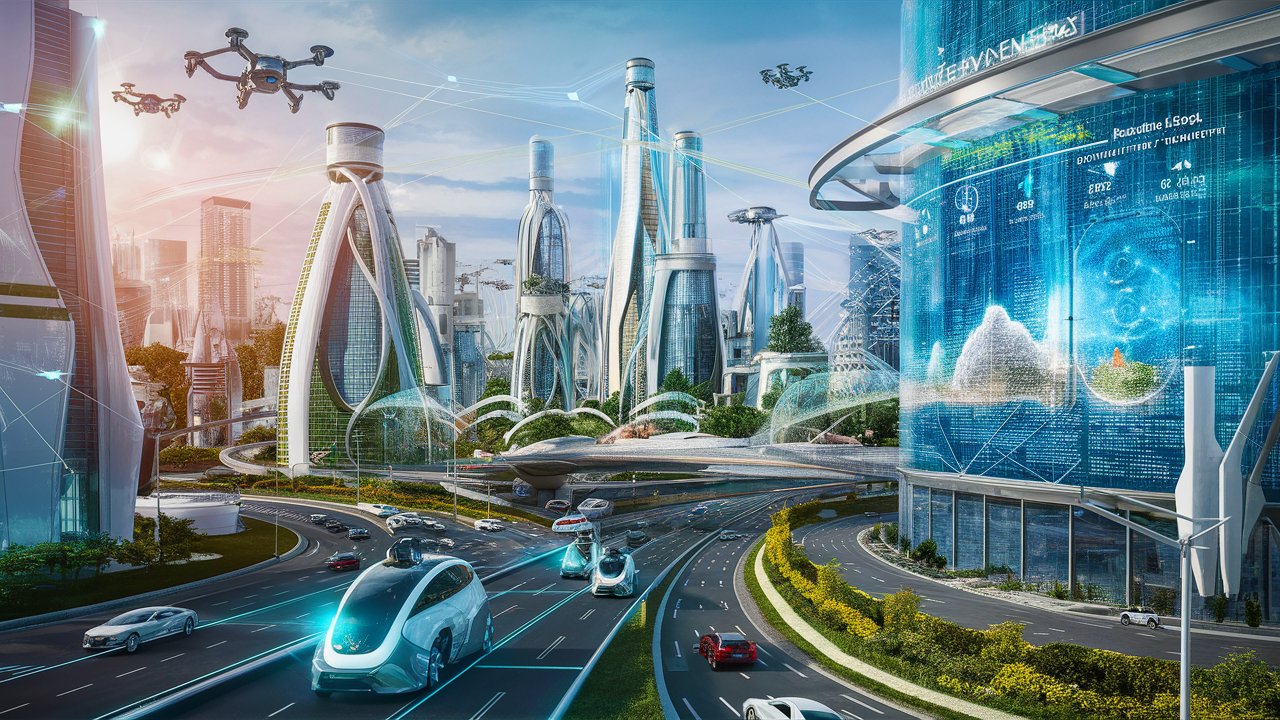
Transportation is one of the most critical components of a smart city. Smart transportation systems leverage technology to create efficient, safe, and sustainable mobility solutions. Intelligent traffic management systems use sensors and cameras to monitor road conditions and optimize traffic signals, reducing congestion and travel time. The rise of electric vehicles (EVs) and shared mobility platforms further supports eco-friendly transportation. Smart public transport systems provide real-time updates on schedules, routes, and delays, enhancing convenience for commuters. Additionally, autonomous vehicles and drone deliveries are emerging as future innovations that will redefine urban mobility. By integrating these technologies, cities can reduce pollution, save energy, and improve accessibility for all residents.
Sustainable Energy and Smart Grids in Smart Cities
Energy management is a cornerstone of smart city technologies. Smart grids enable efficient distribution and consumption of electricity by using real-time data to balance supply and demand. These systems integrate renewable energy sources such as solar and wind power, reducing dependence on fossil fuels and lowering carbon emissions. Smart meters allow consumers to monitor their energy usage and make informed decisions to conserve power. In addition, energy-efficient buildings equipped with automated lighting, heating, and cooling systems contribute to sustainability goals. The combination of smart grids and renewable energy technologies ensures that cities can meet growing energy demands while protecting the environment.
Challenges and Future of Smart City Technologies
Despite their numerous benefits, smart city technologies face several challenges. High implementation costs, data privacy concerns, and the need for robust cybersecurity measures are major obstacles. Many cities also struggle with integrating legacy infrastructure with modern digital systems. Additionally, ensuring equitable access to technology and preventing digital divides remain critical issues. However, the future of smart city technologies looks promising. Advances in 5G connectivity, edge computing, and blockchain are expected to enhance data security, speed, and transparency. As governments and private sectors collaborate, the adoption of smart city solutions will accelerate, leading to more resilient, inclusive, and sustainable urban environments.
Conclusion
Smart city technologies represent the future of urban living, combining innovation, sustainability, and efficiency to create cities that are intelligent and responsive. By leveraging IoT, AI, data analytics, and renewable energy, smart cities can address the challenges of rapid urbanization and environmental degradation. These technologies not only improve infrastructure and public services but also empower citizens to participate in shaping their communities. As cities continue to evolve, the integration of smart technologies will be essential for building a sustainable and connected world where technology and humanity coexist harmoniously.
Frequently Asked Questions (FAQ)
1. What are smart city technologies?
Smart city technologies are digital systems that use IoT, AI, and data analytics to improve city operations, enhance public services, and promote sustainability.
2. How does IoT contribute to smart cities?
IoT connects devices and sensors across the city, enabling real-time monitoring and management of resources such as energy, water, and transportation.
3. What are the benefits of smart city technologies?
They improve efficiency, reduce costs, enhance sustainability, and provide better quality of life through intelligent infrastructure and data-driven decision-making.
4. What challenges do smart cities face?
Challenges include high implementation costs, data privacy concerns, cybersecurity risks, and the need for technological integration across systems.
5. What is the future of smart city technologies?
The future involves greater use of 5G, AI, and renewable energy, leading to more connected, sustainable, and resilient urban environments worldwide
