
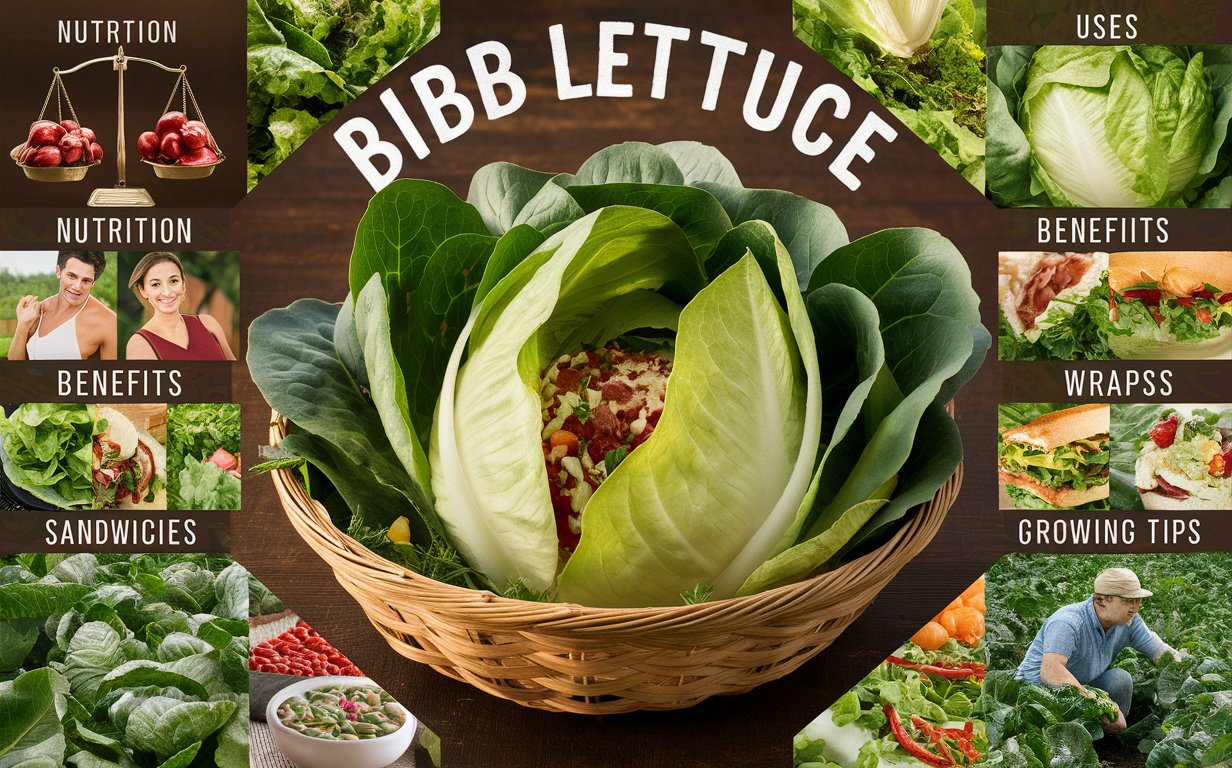
Bibb lettuce, often referred to as butter lettuce or Boston lettuce, is one of the most tender and flavorful leafy greens available, treasured for its soft, buttery leaves and naturally sweet flavor. Whether you encounter it in high-end restaurants, farmers markets, or home gardens, bibb lettuce stands out as a premium, delicate variety that elevates salads, wraps, and gourmet dishes. Because of its elegant texture and mild taste, it has become a favorite among chefs and home cooks alike. Beyond its culinary appeal, bibb lettuce is also highly valued for its impressive nutrient profile, low-calorie count, and ease of cultivation. For gardeners, this lettuce is a rewarding crop that grows beautifully in both containers and small garden beds, making it accessible to almost anyone who wants fresh, crisp greens within arm’s reach. In this comprehensive guide, you’ll learn everything you need to know—from benefits and uses to growing and storage tips—so you can fully appreciate this remarkable leafy green.
What Is Bibb Lettuce?
Bibb lettuce is a buttery, tender variety of Lactuca sativa, belonging to the butterhead lettuce family. It typically forms a small, loose head with cup-shaped leaves that are smooth, pliable, and slightly shiny. The variety got its name from John Bibb, a 19th-century Kentucky grower who cultivated and popularized it. Because of its compact size and soft texture, bibb lettuce is often sold in individual heads rather than bulk bags. Its mild, sweet flavor and velvety feel make it exceptionally versatile, especially in dishes that highlight delicate greens.
Nutritional Value of Bibb Lettuce
Despite its delicate feel, bibb lettuce is packed with essential nutrients while remaining remarkably low in calories. It contains vitamins A, C, and K—nutrients crucial for immunity, vision, skin health, and bone strength. It also provides folate, iron, and potassium, which contribute to energy production, oxygen circulation, and healthy blood pressure. Because bibb lettuce is mostly water, it helps support hydration while providing important antioxidants that help protect the body from cellular damage. Its balanced nutrient profile makes it a smart addition to a healthy diet without adding excess calories.
Health Benefits of Bibb Lettuce
Bibb lettuce offers several health advantages that make it more than just a salad ingredient. Its high vitamin A content supports eye health and assists in maintaining healthy skin and mucous membranes. With significant amounts of vitamin K, bibb lettuce helps maintain bone strength and proper blood clotting. The folate content is particularly beneficial for pregnant individuals and those who need support in cell development and tissue repair. The antioxidants present in bibb lettuce help reduce inflammation, support the immune system, and fight oxidative stress. Furthermore, its hydrating nature and fiber content promote digestive health while helping maintain a feeling of fullness, making it a supportive food for weight management.
Culinary Uses: How to Use Bibb Lettuce
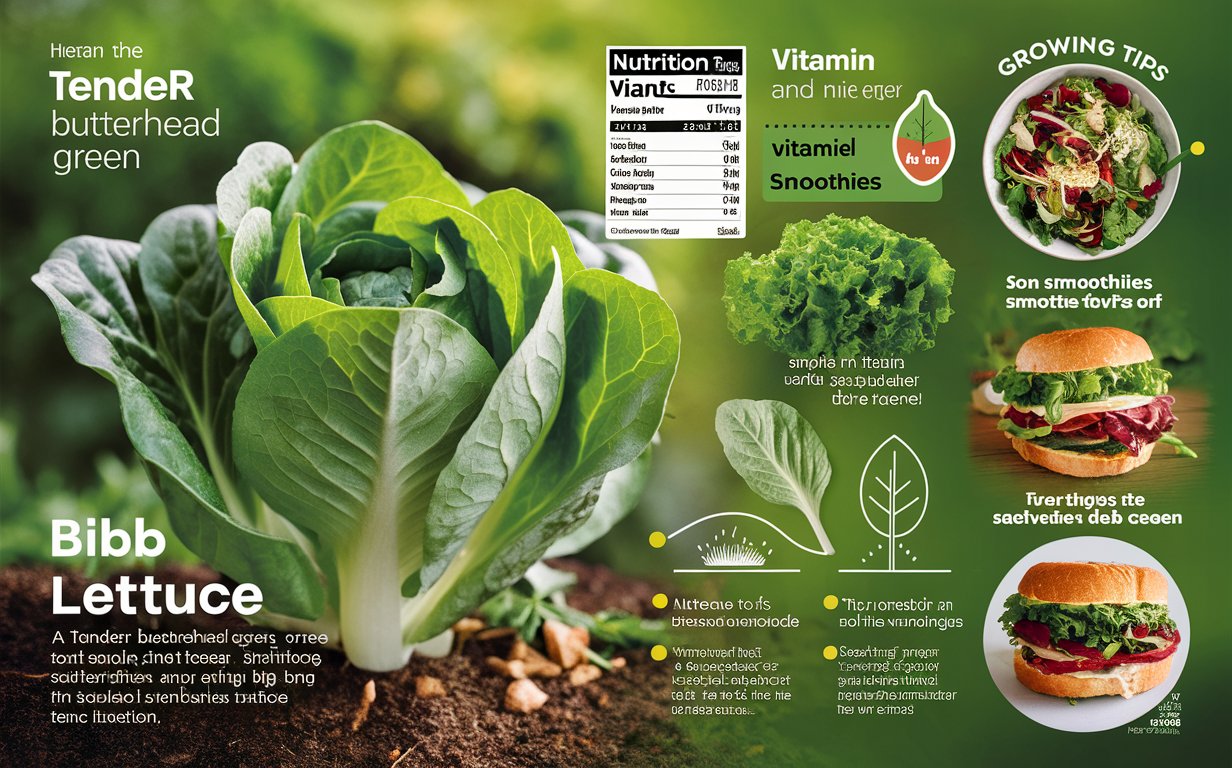
Bibb lettuce is prized in kitchens because its soft, flexible leaves make it incredibly versatile and pleasant to eat. It’s well known for creating elegant salads, especially when paired with citrus fruits, creamy dressings, nuts, or fresh herbs that complement its mellow flavor. Its cup-shaped leaves make it perfect for lettuce wraps filled with chicken, beef, tofu, grains, or fresh vegetables, offering a nutritious alternative to tortillas. Chefs also use bibb lettuce as a garnish in sandwiches or sliders because it adds texture without overpowering other flavors. When used as a base for delicate proteins like seafood or poached chicken, bibb lettuce brings a refined, restaurant-quality touch to any plate.
How to Grow Bibb Lettuce
Growing bibb lettuce is surprisingly simple, even for beginners. This lettuce thrives in cool weather and prefers well-drained, fertile soil rich in organic matter. You can plant it in garden beds, raised beds, or containers, making it ideal for small spaces. Regular watering is important because bibb lettuce grows best in moist soil, but you should avoid overwatering to prevent root issues. Partial sun or morning sun with afternoon shade produces the crispest, most tender leaves. When harvesting, gently remove outer leaves for a “cut-and-come-again” approach, or harvest the entire head when fully formed. Because bibb lettuce grows quickly, you can enjoy fresh greens within a few weeks.
How to Store Bibb Lettuce
Because bibb lettuce bruises easily, proper storage is key to maintaining its delicate texture. Always store the leaves lightly wrapped in a dry paper towel inside a breathable bag or container. Keeping it in the crisper drawer of your refrigerator helps maintain humidity without causing sogginess. Avoid washing the leaves until just before use, as moisture encourages wilting and spoilage. When stored correctly, bibb lettuce can stay fresh for up to a week, maintaining its signature crispness and buttery feel.
Conclusion
Bibb lettuce is a standout leafy green known for its tender texture, sophisticated flavor, and impressive nutritional value. Whether you enjoy it in salads, wraps, or gourmet dishes, it brings an elegant touch to everyday meals while offering significant health benefits. Gardeners appreciate its ease of growth, making it a practical choice for anyone wanting fresh, homegrown greens. With the right storage and preparation methods, bibb lettuce can elevate your cooking and contribute to a healthy, well-rounded diet. As more people look to incorporate light, nutrient-rich foods into their lifestyle, bibb lettuce continues to remain a popular and beloved choice.
FAQ About Bibb Lettuce
1. What makes bibb lettuce different from iceberg lettuce?
Bibb lettuce is softer, sweeter, and richer in nutrients, while iceberg lettuce is crisp and mild but less nutrient-dense.
2. Can bibb lettuce be used for lettuce wraps?
Yes, its cup-shaped leaves and pliable texture make it perfect for wraps, tacos, and low-carb meals.
3. Is bibb lettuce healthy?
Absolutely. It provides vitamins A, C, and K, along with minerals and antioxidants that support immunity, eye health, and bone strength.
4. How long does bibb lettuce last in the refrigerator?
When stored properly, it can last up to a week without losing its delicate texture.
5. Can you grow bibb lettuce indoors?
Yes, bibb lettuce grows well in containers and can thrive indoors with adequate light and moisture.
