
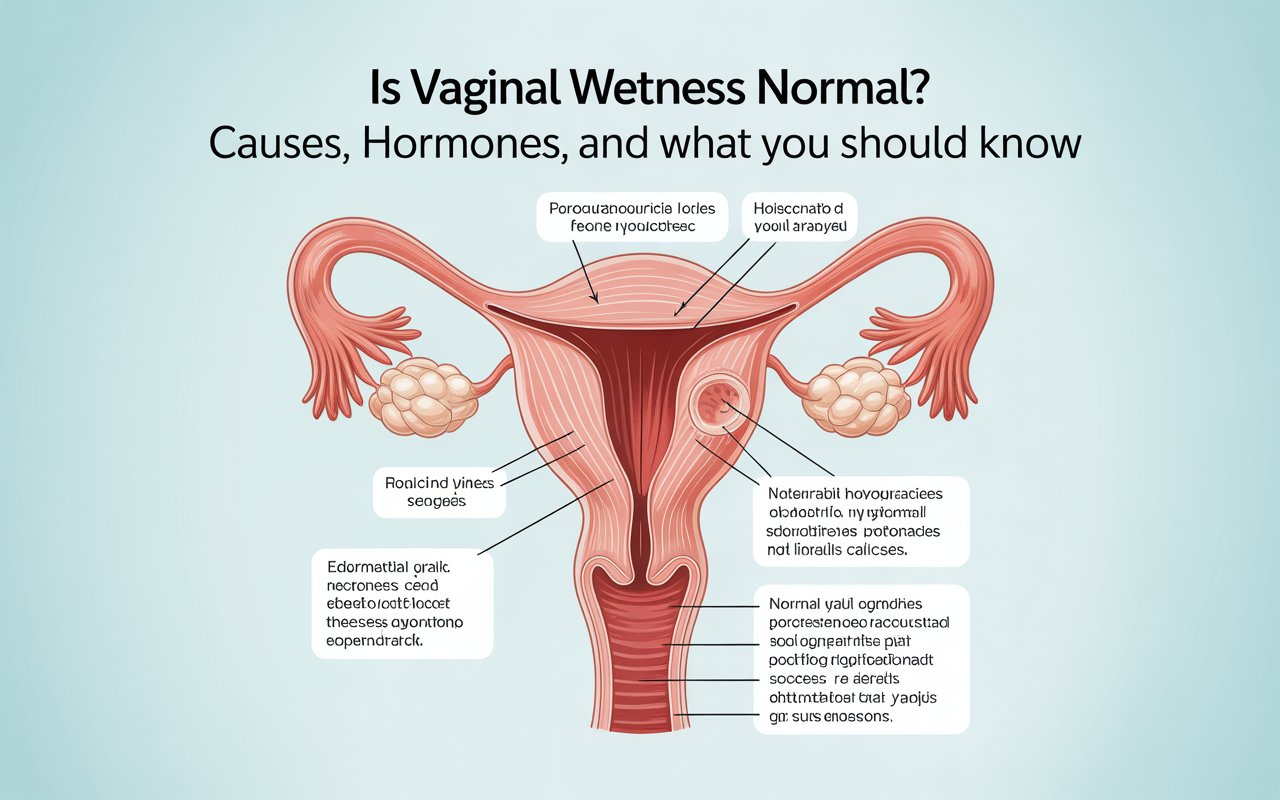
The phrase “wet pussy” is commonly searched online, but behind this informal expression lies an important biological process known as vaginal lubrication. Vaginal wetness is a completely natural and healthy function of the female reproductive system. It plays a crucial role in comfort, protection, and sexual wellness. Despite its normalcy, many women feel confused, embarrassed, or unsure about what vaginal wetness means, how much is normal, and when it may signal a health issue. Understanding the science behind vaginal lubrication helps remove stigma and empowers women to feel confident about their bodies. This comprehensive guide explores the causes of vaginal wetness, hormonal influences, sexual arousal, and signs that may require medical attention.
What Is Vaginal Lubrication?
Vaginal lubrication refers to the natural fluid produced by glands in and around the cervix and vaginal walls. This moisture keeps vaginal tissues healthy, elastic, and protected from irritation. The fluid is primarily made of water, electrolytes, and small amounts of cervical mucus. Its consistency and amount can vary throughout the menstrual cycle due to hormonal fluctuations.
Estrogen plays a significant role in maintaining vaginal tissue thickness and hydration. During reproductive years, estrogen levels help ensure adequate natural lubrication. When estrogen drops, such as during menopause or postpartum recovery, vaginal dryness may occur instead. Lubrication is not only linked to sexual arousal; it is also part of the body’s daily self-cleaning and protective mechanisms.
Why Does Vaginal Wetness Increase?
Vaginal wetness can increase for several completely normal reasons. The most common cause is sexual arousal. During arousal, increased blood flow to the pelvic region stimulates glands to produce additional moisture, reducing friction and enhancing comfort. This response is automatic and does not always reflect conscious desire; it is a physiological reaction.
Hormonal changes throughout the menstrual cycle also influence wetness. Around ovulation, cervical mucus becomes clearer, thinner, and more abundant. This type of discharge supports fertility by helping sperm travel more easily. Pregnancy can also increase vaginal discharge due to elevated estrogen levels and greater blood circulation.
Physical activity, emotional intimacy, and even certain medications may influence natural lubrication levels. Every body is different, and what is considered “normal” can vary significantly from one person to another.
Is Excessive Vaginal Wetness Normal?
Many women worry about producing “too much” lubrication. In most cases, increased wetness is healthy and not a cause for concern. If the fluid is clear or milky white, odorless or mildly scented, and not accompanied by itching or irritation, it is typically normal.
However, changes in color, smell, or texture may signal an infection or imbalance. For example, thick cottage-cheese-like discharge could suggest a yeast infection, while a strong fishy odor may indicate bacterial vaginosis. In such cases, consulting a healthcare provider is recommended.
The key distinction lies in symptoms. Normal lubrication does not cause pain, burning, redness, or discomfort. When these symptoms appear, medical evaluation is important.
Vaginal Wetness and Sexual Health
Natural lubrication is essential for comfortable sexual activity. Adequate moisture reduces friction, prevents microtears in vaginal tissue, and lowers the risk of irritation. While natural wetness is common during arousal, some women may still prefer additional water-based or silicone-based lubricants for comfort.
Conversely, a lack of lubrication can lead to discomfort or pain during intercourse. Vaginal dryness may result from stress, hormonal birth control, breastfeeding, menopause, or certain medications like antihistamines and antidepressants. In these cases, lifestyle adjustments, topical estrogen therapy, or lubricants may help.
Understanding that both increased wetness and occasional dryness are normal variations can help reduce anxiety and promote healthy sexual communication between partners.
Hormones and Vaginal Moisture
Hormonal balance significantly influences vaginal wetness. Estrogen keeps vaginal tissues thick, elastic, and well-lubricated. When estrogen levels fluctuate, so does moisture production. This is why teenagers, pregnant women, and women nearing ovulation often notice increased discharge.
After menopause, declining estrogen may result in thinner vaginal tissues and reduced lubrication, a condition sometimes referred to as vaginal atrophy. Hormone therapy or vaginal moisturizers can help manage symptoms under medical supervision.
Stress hormones like cortisol may also indirectly affect lubrication by reducing sexual arousal and altering hormonal balance. Maintaining overall health, including proper nutrition, hydration, and stress management, supports vaginal health as well.
When Should You See a Doctor?
While vaginal wetness is usually normal, medical attention is advised if you experience:
-
Strong or unusual odor
-
Green, gray, or yellow discharge
-
Persistent itching or burning
-
Pain during urination or intercourse
-
Sudden dramatic changes in discharge
These signs may indicate infection or another underlying condition that requires treatment. Regular gynecological exams are important for monitoring reproductive health and addressing concerns early.
Conclusion
Vaginal wetness is a natural, healthy function of the female body. Whether triggered by hormonal changes, sexual arousal, or daily protective processes, lubrication plays an essential role in comfort and reproductive health. The term “wet pussy” may be widely searched online, but medically speaking, vaginal lubrication is a sign of a functioning and responsive reproductive system. Understanding what is normal, recognizing changes that may signal infection, and maintaining open conversations with healthcare providers can empower women to feel confident and informed about their bodies. Instead of embarrassment or confusion, knowledge and awareness should guide how we approach this completely natural topic.
Frequently Asked Questions (FAQ)
1. Is it normal to have vaginal wetness every day?
Yes, mild daily moisture is normal and part of the vagina’s self-cleaning system. The amount may vary depending on your menstrual cycle and hormones.
2. Does more wetness mean higher sexual desire?
Not necessarily. Lubrication is a physical response that can occur independently of emotional desire.
3. Why am I wetter during ovulation?
Around ovulation, estrogen rises and cervical mucus becomes thinner and more abundant to support fertility.
4. Can stress affect vaginal lubrication?
Yes, high stress levels can influence hormones and reduce arousal, which may affect natural lubrication patterns.
5. When should I worry about vaginal discharge?
If discharge has a strong odor, unusual color, or causes itching or pain, consult a healthcare provider.
