Blog

  • Olympus Scanlation: Legality, Ethics, and How It Works

    Olympus Scanlation: Legality, Ethics, and How It Works

    Introduction

    In the vast world of manga and comics fandom, scanlation—fan-made scans + translations of manga that haven’t been officially translated or that are distributed without the permission of rights holders—remains a contentious subject. One of the names that sometimes appears in this ecosystem is Olympus Scanlation. For many fans, Olympus Scanlation may seem like a resource: a place to find rare manga or quick fan translations. Yet for others it raises serious questions about copyright, ethical consumption, and how creators are rewarded. This article takes a deep dive into what Olympus Scanlation is (as far as publicly known), how scanlation works in general, the legal and ethical issues involved, how it compares to official releases, and safer/ethical alternatives that still let you enjoy manga with respect to creators’ rights.

    What Is Olympus Scanlation & How Scanlation Generally Works

    “Olympus Scanlation” is one of many groups or labels used by individuals or communities who scan manga pages (or comics), often in raw image form, translate the text into another language, edit the text into the images, and then distribute those edited image-files or PDFs online. The name “Olympus Scanlation” suggests a scanlation group (or site) that handles such translations and releases.

    The typical workflow of a scanlation group like Olympus Scanlation involves several steps: obtaining raw scans (often from physical volumes or high-quality digital sources), cleaning up images (removing original language text or scanning artifacts), translating (which requires not just linguistic skill but often adaptation to capture nuance), typesetting (placing translated text back into the comics’ image with suitable font, style, and positioning), proofreading, compiling into chapters or volumes, and then releasing them online. Sometimes fan communities share work across multiple volunteers, so speed, quality, and availability vary widely.

    While scanlation has a strong presence in fandom because of desires for access when official translations are unavailable, or delayed in certain regions, it operates in a legal grey area (often more than grey) and raises many ethical concerns, especially for creators trying to make a living off their work.

    Legal and Ethical Considerations

    From a legal standpoint, scanlation works almost always infringe copyright laws in many countries, because they reproduce, distribute, and sometimes modify copyrighted works without the permission of the copyright holder. Even though fans may believe their actions are harmless or that they free-promote manga, rights holders generally view unauthorized scanlations as theft of intellectual property.

    On the ethical side, the issue is more nuanced. Some supporters argue that scanlations serve fans in regions where official translations are unavailable or unaffordable; they see scanlations as enabling global access. Others counter that even in those circumstances, creators and publishers lose revenue, which may hurt their ability to produce more content, or to invest in translations in the future. Also, quality can suffer—poor translations or edits may misrepresent content or damage the integrity of the original work.

    Another ethical issue concerns volunteer translators or editors who work for free. Some see this as acceptable fan passion; others note that content creators receive no compensation for these derivative works, even though scanlations might reduce sales of official versions when those are available and affordable.

    Olympus Scanlation vs Official Manga Releases

    When comparing a group like Olympus Scanlation with official licensed manga releases, several contrasts emerge:

    • Speed and Availability: Olympus Scanlation (and similar groups) can sometimes provide translated chapters much faster than official translations, especially for niche works not yet licensed in many languages or regions.

    • Quality of Translation and Editing: Official licensed versions typically undergo rigorous editing, styling, localization, quality assurance, and sometimes even cultural adaptation, whereas scanlations may have translation inaccuracies, awkward phrasing, or lower image/edit quality.

    • Legal Safety for Readers: Reading from official sources ensures that you are not exposing yourself to legal risks (depending on your country) nor risk encountering malware or unsafe files. On the other hand, scanlation sites can sometimes be unsafe or host malicious content.

    • Support for Creators: Purchasing or licensing official versions supports the creators financially, helps ensure ongoing work, and encourages more translations/licensing in different languages. Relying on scanlations alone can reduce the incentive for official translations or licensing in some markets.

    Impact on Manga Industry & Creators

    The impact of scanlation groups such as Olympus Scanlation on the manga industry is both visible and subtle. On the visible side, creators and publishers may see decreased sales if too many readers rely entirely on free scanlations instead of buying official volumes or subscribing to legal services. Reduced revenue can limit the ability of creators to invest in new works, pay for translators, editors, or higher production quality.

    On the subtler side, scanlation may delay or discourage official licensing in certain languages or regions. If publishers believe that a market is saturated with scanlated content (free, widely available), they may hesitate to invest in licensing or translating for that market, seeing lower potential returns.

    However, there is also a counterargument: scanlations can create fan interest and demand for series, which sometimes pushes publishers to license works in regions they had not considered originally. Some creators view scanlation as “free marketing” in cases where official channels follow later.

    Alternatives & How to Enjoy Manga Ethically

    For readers who want to support creators while still enjoying diverse manga, there are ethical and legal alternatives:

    • Use Licensed Platforms: Many streaming or manga platforms license works legally (Viz, Kodansha, Crunchyroll Manga, Manga Plus, Comixology, and many others). These often have free or low-cost tiers.

    • Buy Official Print or Digital Copies: Supporting authors via buying volumes or paying for official digital versions ensures creators get compensated.

    • Wait for Translations in Your Region: Sometimes delays are frustrating, but avoiding unofficial scanlations and promoting demand for official translations can help.

    • Support Crowdfunding or Patreon: Some creators or translators produce legal fan translations or expansions via official channels or fan support. Supporting them helps viability without breaking law.

    • Use Libraries or Legal Borrowing Services: Libraries often license manga, or there may be legal borrowing services that carry translated editions, which can be an affordable and legit way to enjoy works.

    Conclusion

    Olympus Scanlation,” like many scanlation entities, occupies a complicated place in the manga world—seen by some as a lifeline for passionate fandom and by others as a problematic breach of copyright and creator rights. While scanlation can provide access, speed, and community, it also carries legal risks, ethical dilemmas, and consequences for the manga industry and the lives of its creators. For fans who love manga deeply, the best path forward often lies in balancing desire for immediate access with respect for the creators and the official channels that sustain them. Choosing licensed sources, supporting official translations, and being mindful of copyright law are ways to enjoy manga while helping ensure that new stories continue to be made.

    FAQ (Frequently Asked Questions)

    Q1. What exactly does “scanlation” mean?
    Scanlation is a blend of “scan” and “translation.” It refers to the process where fans scan pages of manga/comics (often in one language), translate the text into another language, edit the translated text into the images, and distribute the edited version, usually without permission of copyright holders.

    Q2. Is Olympus Scanlation legal?
    Generally, no. In most jurisdictions, distributing copyrighted manga without permission is a violation of intellectual property laws. Even if a scanlation group does not sell the content, copying, translating, and sharing it without authorization still typically infringes rights.

    Q3. Are there any legal risks for readers of scanlations?
    Yes. Depending on local laws, downloading or distributing copyrighted material without authorization may carry legal consequences. Moreover, scanlation sites may host malware, use unsafe file formats, or expose users to privacy risks.

    Q4. Does using scanlations harm manga creators financially?
    It can. Official sales of volumes, subscriptions to licensed digital services, and legal streaming contribute to creators’ income. When people use free scanlations instead, it may reduce potential revenue. However, the extent of harm varies depending on popularity, region, and availability of official options.

    Q5. What are good legal alternatives to scanlations?
    Legal alternatives include buying official print volumes, subscribing to licensed digital platforms, reading through authorized streaming/manhwa/manga services that operate legally, using library-licensed copies, and supporting creators through crowdfunding or merchandise.


  • SOA OS23 — Meaning, Features, & Why It Matters

    SOA OS23 — Meaning, Features, & Why It Matters

    Introduction

    In a rapidly evolving digital landscape, the push for systems that are both flexible and robust has led to new architectural and regulatory standards. SOA OS23 is one such standard that is increasingly being cited across technology, construction, and public procurement fields. On one hand, it represents a modernized version of Service-Oriented Architecture designed for today’s distributed, cloud-native, event-driven environments. On the other, particularly in places like Italy, OS23 is also a certification category tied to demolition and construction works under the SOA regulatory system, meaning companies must hold OS23 certification to bid on public contracts for certain specialized works. Understanding both aspects—and how they intersect or diverge—is essential whether you’re an architect, software engineer, contractor, or business stakeholder preparing for compliance and modernization. This article aims to explain what SOA OS23 means in both contexts, outline its key features, benefits and challenges, and offer guidance for implementation so that organizations can make informed decisions and stay ahead.

    What is SOA OS23? Two Meanings to Know

    SOA OS23 in Software / Digital Architecture

    In the technology domain, SOA OS23 often stands for Service-Oriented Architecture Operating Standard 2023 (or similarly phrased variants). It builds on traditional SOA principles—modularity, reusability, interoperability—but updates them for modern demands: microservices, cloud-native deployment, real-time observability, zero-trust security, event-driven communication, and compatibility across hybrid or multi-cloud infrastructures. propsandarmor.com+3Axis Intelligence+3indulgewithildi.com+3

    This version of SOA OS23 is not about one vendor’s product but a framework or standard that many architects and organizations can adopt. It often includes tooling: service meshes, API gateways, logging/monitoring frameworks, security protocols, message brokers, and deployment pipelines that can handle scaling and resilience. Axis Intelligence+2indulgewithildi.com+2

    SOA OS23 in Construction / Certification (Italy and Similar Systems)

    In Italy, “OS23” is a certification category under the SOA (Società Organismo di Attestazione) system, which is required for firms that wish to bid on certain public works contracts, specifically demolition works (full or partial), dismantling, removal, or demolition with special machinery or explosives. LearnHole+2Soasemplice+2

    Under this usage, OS23 is a qualification that demonstrates legal, technical, financial, and organizational capacity to carry out these works under regulated safety, environmental, and procedural norms. It is not about software at all but about construction regulation and public procurement compliance. LearnHole+2Soasemplice+2

    Key Features & Requirements

    Because there are two main meanings of SOA OS23, the features or requirements differ depending on which sense you are dealing with. Below are both sets.

    Features / Requirements (Software SOA OS23)

    • Modular service design: independent components/microservices that can be developed, deployed, updated separately. Prime Hub Magazine+2Axis Intelligence+2

    • API-centric or event-driven communication: standard APIs or message/event queues for inter-service communication. indulgewithildi.com+2Axis Intelligence+2

    • Cloud-native readiness: supporting containerization (Docker, Kubernetes), hybrid and multi-cloud, edge computing. Axis Intelligence+1

    • Security from the ground up: zero-trust, encryption, identity management, secure gateways. Axis Intelligence+2Prime Hub Magazine+2

    • Observability & monitoring: live metrics, tracing, logging, dashboards to detect problems early. Axis Intelligence+1

    • Governance: policies for API versioning, backwards compatibility, schema evolution, service lifecycle, etc. Wind Moon Magic+2Axis Intelligence+2

    Requirements (Construction OS23 Certification)

    • Demonstrated experience and technical capacity for demolition or dismantling works, including using special equipment or explosives where relevant. LearnHole+1

    • Compliance with safety, environmental rules — handling waste, materials, debris, controlled demolition methods, risk management. LearnHole+1

    • Financial and organizational stability: firms need to show they have the resources, governance, trained personnel, legal status to fulfill contracts under public procurement. Soasemplice+1

    • Correct classification under the OS23 category: adhering to the legal definitions of what “demolition of works / structures / infrastructures” entails. LearnHole+1

    Benefits of SOA OS23

    In the Software / Digital Architecture Context

    Implementing SOA OS23 offers multiple advantages:

    • Improved scalability and flexibility, because independent services can be scaled or modified without affecting the whole system. This supports growth and change. indulgewithildi.com+1

    • Better resilience and fault tolerance, since issues in one service don’t necessarily compromise others. Observability helps detect and mitigate issues quickly. Axis Intelligence+1

    • Faster deployment cycles and agility: updates can be rolled out service by service. This also helps with continuous delivery practices. indulgewithildi.com+1

    • Enhanced security, especially with modern demands for zero-trust, encryption, identity verification. These are built into architectures like SOA OS23. Axis Intelligence+1

    • Readiness for integrating modern tech: edge computing, IoT, AI/ML pipelines, etc. Systems built under SOA OS23 can more easily adapt to new demands. Axis Intelligence+1

    In the Certification / Construction Context

    • Compliance: OS23 certification is often necessary to bid and be eligible for public tenders in sectors dealing with demolition and related works. Having OS23 demonstrates compliance and trustworthiness. JD Economics+1

    • Safety and environmental responsibility: proper qualification under OS23 ensures that demolition work adheres to required safety standards and environmental norms. This protects workers, public, and surroundings. LearnHole+1

    • Competitive advantage: certified companies are more likely to win contracts, especially when regulations or tender requirements explicitly demand OS23. JD Economics+1

    • Better planning and organization: the process of obtaining certification usually means the company has to improve documentation, training, resources, risk assessment capacities. That tends to improve overall quality. LearnHole+1

    Challenges & Common Pitfalls

    • Complexity of transition: For software teams moving from older monolithic or legacy SOA systems, shifting to a full OS23 style architecture can require redesign, retraining, and careful migration. Axis Intelligence+1

    • Cost & Resource Requirements: Infrastructure, security measures, observability tools and monitoring, cloud deployment: these can incur upfront and ongoing costs. indulgewithildi.com+1

    • Governance & Management Overhead: More services means more moving parts. Without good policies for versioning, API management, service discovery, interface standardization, things can become chaotic. Wind Moon Magic+1

    • Regulatory / Legal Hurdles (for Certification OS23): Meeting all safety, environmental, and technical rules, maintaining compliance, dealing with inspections or audits. Sometimes requirements differ regionally, so staying updated is essential. Soasemplice+1

    • Skill Gap: Both in software (DevOps, microservices, security) and in construction (trained labor, safety experts, specialized equipment) there may be shortages, increasing the difficulty or cost. LearnHole+1

    How to Implement / Obtain SOA OS23

    Depending on which meaning applies to your organization, here are steps/guidelines.

    Implementation Steps for Software SOA OS23

    1. Assess Current Architecture: Map out existing services, APIs, data flows, legacy components, bottlenecks.

    2. Define Modular Services: Break your application into smaller, logical services with well-defined responsibilities.

    3. Choose Your Tools & Platforms: Select service mesh, API gateway, message brokers, monitoring solutions, standard protocols.

    4. Security and Governance Setup: Implement identity/auth, encryption, policies, versioning, service discovery.

    5. Observability and Monitoring: Logging, metrics, tracing. Continuous monitoring to detect failures and performance issues.

    6. Pilot / Incremental Rollout: Start with one or two services; test, refine; scale gradually.

    7. Continuous Feedback Loop: Measure, iterate, optimize services; maintain documentation and standards.

    Steps for Certification (Construction OS23)

    1. Ensure Technical / Organizational Readiness: trained personnel; safety protocols; equipment; organizational structure.

    2. Collect Required Documentation: proof of past works, financial statements, licenses, safety certifications, insurance, etc.

    3. Understand Scope: Know exactly what works are covered by OS23 (full demolition, special methods, environmental handling, etc.). LearnHole+1

    4. Submit Application to Certifying Body: Under the SOA system in your region, with all forms and fees.

    5. Undergo Assessment / Inspection: Technical, safety, organizational audits. Respond to any identified gaps.

    6. Maintain Certification: Renew as required; stay compliant with regulations; update staff and practices.

    Why SOA OS23 Matters Today & Future Outlook

    • In software, the demand for scalable, secure, cloud-native and agile systems is only growing. With edge computing, hybrid clouds, machine learning, increasing security threats, older monolithic or weakly structured service architectures are less adequate. SOA OS23 offers updated norms that align with current realities. Axis Intelligence+2indulgewithildi.com+2

    • In construction and public procurement, globalization, environmental regulation, and safety concerns are tightening standards. Certifications like OS23 allow for accountability, safety, and legal compliance—which are increasingly non-negotiable in bid processes. LearnHole+1

    • Cross-industry relevance: even tech companies working on physical infrastructure, IoT, or smart cities will find overlap between regulatory compliance and software system requirements. SOA OS23 (in its software meaning) helps ensure adaptability to those integrations.

    • The future likely includes more automation in governance, more standardization of APIs and event-driven models, deeper integration with AI / ML monitoring, and possibly regulations or standards that make SOA OS23-like frameworks more formalized in tech and industry.

    Conclusion

    SOA OS23 is not just a buzzword—it represents a dual-facet shift occurring in both technology architecture and public works regulation. In software, it describes a modern, open standard (or set of best practices) for building service-oriented, modular, cloud-native, secure, and observable systems. In construction and public procurement, particularly under Italy’s SOA system, OS23 is a certification that ensures organizations have the capability, safety, and legality to carry out demolition works. Whichever meaning applies to your field, embracing SOA OS23 means preparing for higher demands—on security, interoperability, efficiency, compliance, and adaptability. Organizations that move early and thoughtfully will benefit both technically and reputationally, gaining competitive edges in tenders, contracts, or product development.

    FAQ

    Q1: What does “SOA OS23” stand for?
    Depending on context, “SOA OS23” can mean two things:

    • In software / IT, it usually means Service-Oriented Architecture Operating Standard (or Open Standard) 2023, a modern framework for designing modular systems. Axis Intelligence+2Prime Hub Magazine+2

    • In construction/public procurement (especially in Italy), OS23 is a category of certification under SOA for companies qualified to perform demolition / dismantling or specialized demolition works. LearnHole+1

    Q2: Is SOA OS23 a mandatory standard in software?
    No, generally it’s not a regulation but more of a recommended / emerging best-practice framework. Organizations adopt it to improve technology agility, security, and scalability. It may become more required in certain contracts or projects, especially where compliance or interoperability is essential. indulgewithildi.com+1

    Q3: Do all demolition companies need OS23 certification?
    If they wish to bid for certain public tenders in countries/regions where OS23 is part of their SOA certification system (like Italy), then yes, they’ll need it. If they’re not engaged in works that fall under OS23 scope, it might not be necessary. LearnHole+1

    Q4: What are the biggest challenges in adopting SOA OS23 (software version)?
    Some of the main challenges include managing the complexity of service interactions, implementing governance and policies, acquiring the right tooling for monitoring/security, retraining staff, and handling migration from older architectures without downtime. Axis Intelligence+1

    Q5: What are some best practices when implementing SOA OS23?

    • Start small: use pilot projects to test your architecture.

    • Clear governance: set API standards; version control; documentation.

    • Prioritize security by design: identity management, encryption, zero-trust.

    • Observability: logging, tracing, metrics, dashboards.

    • Ensure compatibility with cloud/hybrid/edge setups.

    • For certification OS23 (construction), ensure all safety, technical, environmental requirements are met and documentation is in order.

  • What Is Tarnplanen? The Ultimate Guide to Camouflage Tarpaulins & Outdoor Covers

    What Is Tarnplanen? The Ultimate Guide to Camouflage Tarpaulins & Outdoor Covers

    Introduction

    When you’re heading into the wild, working outdoors, or involved in activities like hunting, survival training, or military operations, having reliable cover is about more than just shelter—it’s about blending in, protecting gear, and enduring harsh weather conditions. Tarnplanen, a term derived from the German words “Tarn” (camouflage) and “Planen” (tarpaulins or coverings), refers to specialized camouflage tarps or covers designed precisely for those tasks. These are not your average tarps: they combine rugged materials, thoughtful design, and concealed aesthetics to offer protection, stealth, and durability. In this guide, we’ll explore what makes a good Tarnplanen, its history, its many uses, how to choose the right one, and how to care for it so it serves you well through seasons, elements, or operations where visibility (or invisibility) truly matters.

    What Exactly Is Tarnplanen & Its Origins

    Tarnplanen are camouflage tarpaulins originally developed for military use where concealment is critical—camouflaging personnel, vehicles, campsites, or supplies to avoid detection. Over time, the concept has expanded into civilian outdoor gear: hunters, campers, survivalists, photograp­hers, and even homeowners employ Tarnplanen in various forms for protection, shade, shelter, and privacy. The materials used have evolved greatly: early versions were heavy canvas or treated cotton; modern ones tend to use synthetic fabrics like nylon or polyester blends, often with waterproof coatings, UV shielding, rip-stop weaves, reinforced grommets, and sometimes even modular design so they can be configured as canopies, shelters, ground sheets, or gear covers. The camouflage patterns are selected to match environments—forest, desert, urban, night, etc.—to improve concealment.

    Key Features & What to Look For

    Choosing the right Tarnplanen means balancing several critical features:

    • Material strength and durability: Look for rip-stop fabrics, reinforced edges, strong grommets or eyelets that resist tearing. The tarp must resist abrasion, wind stress, sharp branches, and repeated folding/unfolding.

    • Weather protection: Waterproof or water-resistant coatings (PVC, polyurethane) are essential; also look for UV protection so colors or camouflage patterns don’t fade or degrade under sunlight. Waterproofing helps during rain or snow; UV resistance prolongs life.

    • Camouflage pattern & environment suitability: Patterns should match the dominant surroundings—forest green tones, desert tans, urban greys—so that the cover blends in visually. Some Tarnplanen even are designed to counter visual detection across different light levels or seasons.

    • Portability and set-up ease: Lightweight yet sturdy is ideal. If the tarp folds down small and comes with straps or bags, that helps for trekking, emergency use or fast deployment. Features like corner tie-outs, ridgeline points, and middles for stabilized shape are helpful.

    • Size, shape, and configuration: A shade cloth may be large and flat; a lean-to shelter might require a different shape; gear protection or vehicle covering has different needs. Measure what you need to cover, plus extra for slack and anchoring.

    • Maintenance & longevity: Coated fabrics, reinforced stitching, rust-proof or corrosion-resistant hardware matters. Also, how easy is cleaning, drying, and repairing (patching) the tarp.

    Applications & Use Cases

    Tarnplanen finds usefulness in many scenarios:

    • Military & Tactical Use: Camouflage for vehicles, equipment, temporary shelters; stealth concealment from aerial surveillance; field operations where blending into terrain is tactical.

    • Outdoor Activities: Camping, hiking, hunting—using Tarnplanen as shelter, ground sheet, cover for gear, or sun shade. Photographers might use them to hide blinds.

    • Emergency & Survival: For rapid shelters during storms, ground protection, waterproof cover, emergency signaling or collecting rainfall. Lightweight Tarnplanen is often included in survival kits.

    • Agriculture, Gardening & Construction: Protecting crops, tools, supplies from sun, rain, dust; covering scaffolding or building materials; shading for workers.

    • Urban & DIY Uses: Privacy screens, shaded patios, covering outdoor furniture, carports, or storage items. Also in creative use – art & design, installations, or even décor when camouflage aesthetics are desirable.

    Pros & Cons (What Tarnplanen Does Well, and Its Limitations)

    Advantages

    • Excellent concealment when pattern and color are well-matched to environment.

    • Durable protection against water, wind, sun, and mechanical strain.

    • Versatility – multi-function uses.

    • Long lifespan when properly maintained.

    • Possible economic savings (you invest in one quality cover instead of many replacements).

    Challenges / Limitations

    • Patterns may not suit all environments; what blends in one terrain may stand out in another.

    • Heavier versions can be bulky or harder to carry for long treks.

    • Waterproof coatings or fabric treatments can degrade over time with UV exposure, abrasion, or improper storage.

    • Some cheaper versions may have weak hardware (grommets) or stitching.

    • In very high tech detection environments (thermal imaging, drones, sonar/light sensors), visual camouflage may be less effective.

    How to Select & Use Tarnplanen Effectively

    To get maximum use and value:

    1. Match for environment — Know whether you’re in forest, desert, seasonal changes; pick pattern and color accordingly.

    2. Size up — Too small and you’ll have exposed edges; too large and it becomes unwieldy; aim for flexibility.

    3. Test setup — Practice erecting shelter or laying out the tarp in different conditions to know its weak points (wind, water pooling, sagging).

    4. Care & storage — Clean dirt, debris; dry it fully before fold-up; store in a dry, shaded place; reinforce or patch small holes early.

    5. Use anchoring properly — Tension matters; use good tie-downs, stakes or weights so wind doesn’t stress corners and seams.

    6. Upgrade when needed — If a tarp starts leaking, or coatings peel, consider re-coating (if possible) or replacing rather than forcing continued use.

    Conclusion

    Tarnplanen offers a winning blend of stealth, durability, and usefulness for anyone needing concealment, protection, and robust shelter outdoors. Whether your goal is survival, hunting, camping, military operations, or simply protecting equipment in harsh weather, choosing the right Tarnplanen makes a real difference. By selecting proper materials, matching the right pattern for your surroundings, and maintaining it carefully, a quality Tarnplanen can serve you well for many seasons. In today’s unpredictable world—where changing weather, exposure, and visibility challenges are more common— having reliable, camouflaged, durable cover is more than a convenience: it’s often essential.

    FAQs (Frequently Asked Questions)

    Q1. What is Tarnplanen used for?
    Tarnplanen is used for camouflage and protection: covering equipment, creating shelters, ground covers, hideouts (in hunting/military), protecting from weather, reducing visibility, and even for decorative or utility outdoor purposes where cover is needed.

    Q2. Is Tarnplanen waterproof & UV-resistant?
    High-quality Tarnplanen generally feature waterproof or water-resistant coatings (PVC, PU, etc.) and UV stabilizers to resist fading or breakdown. However, quality varies; cheaper tarps may be less resistant, and coatings degrade over time.

    Q3. How do I choose the best pattern and color for Tarnplanen?
    Select a pattern and color that closely resemble the dominant environment where it will be used—greens, browns, and muted earth tones in forests; lighter tans or sandy tones in desert; urban camo or greys for city environments. Consider seasons (snow, foliage changes) if applicable.

    Q4. How large should Tarnplanen be for camping vs hiding gear vs covering vehicles?
    For solo camping or emergency shelter, a smaller tarp (say around 8×10 ft or similar) can be enough. For covering gear or vehicles, much larger sizes are needed. Always allow slack for securing (tie-outs, stake to ground) and consider both deployed size and packed size.

    Q5. How do I maintain and prolong the life of Tarnplanen?
    Clean off dirt and debris, dry fully before storage, avoid prolonged direct sun exposure when not in use, patch small tears or weak points early, store in a cool, dry place. Also, re-apply waterproofing if coatings wear off, check grommets and edges regularly.

  • What Is NSCorp Mainframe? Understanding Norfolk Southern’s Backbone System

    What Is NSCorp Mainframe? Understanding Norfolk Southern’s Backbone System

    Introduction

    When you think of railroads, you might picture massive locomotives, steel tracks, and freight cars rumbling across landscapes. But behind every smooth transit of goods, every on-time train schedule, and every satisfied customer is a complex network of digital control systems. At the heart of Norfolk Southern Corporation (often abbreviated NSCorp) lies the NSCorp Mainframe (also known simply as the NS Mainframe)—a critical, high-availability computing system responsible for orchestrating scheduling, crew assignments, safety protocols, logistics tracking, and much more. Although it doesn’t get the same public recognition as locomotives or rail yards, this system is arguably one of the most essential components enabling Norfolk Southern to maintain reliable operations year in and year out. In this article, we will explore what exactly the NSCorp Mainframe is, how it works, what challenges it faces, how Norfolk Southern is modernizing around it, and why it remains indispensable in freight rail transportation.

    What Is the NSCorp Mainframe?

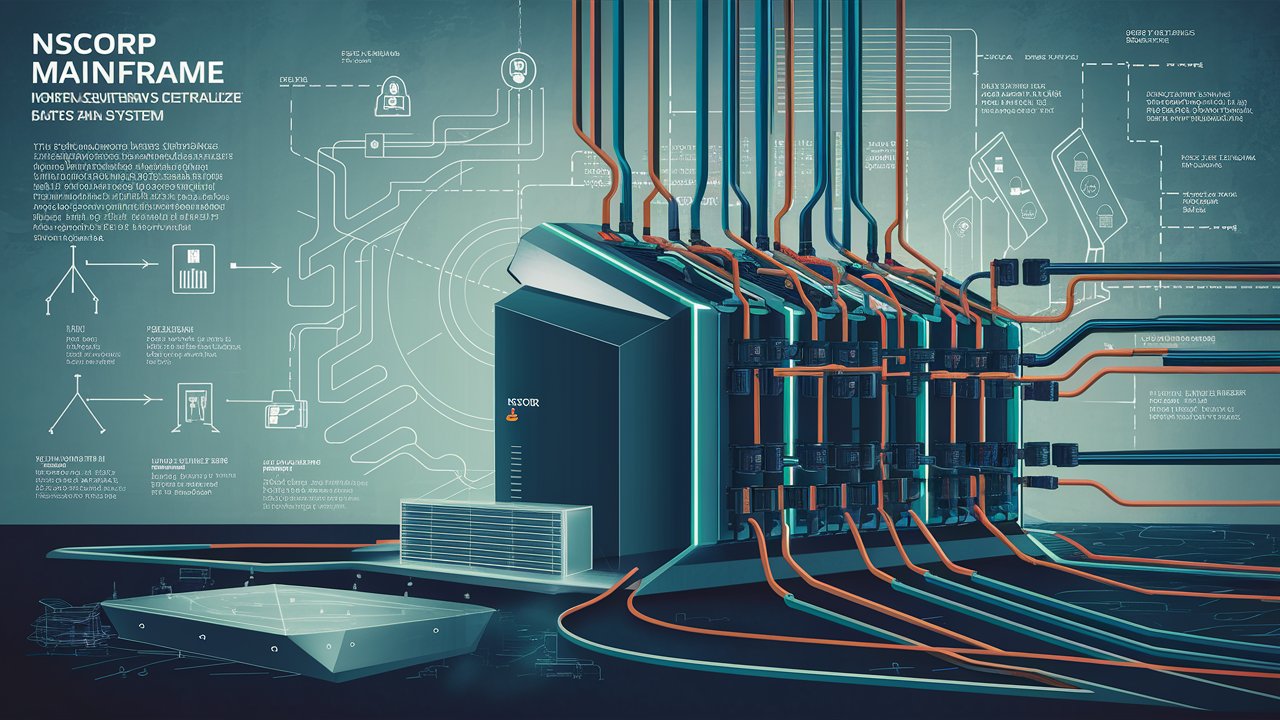
    The NSCorp Mainframe is an enterprise-grade, centralized computing system used by Norfolk Southern Corporation (NS), one of the largest freight railroads in the United States, to coordinate and manage its vast rail operations. It is not a public-facing application; rather, it is an internal backbone that supports many functions such as train dispatching, crew scheduling, freight tracking, regulatory compliance, maintenance logs, billing, and safety reporting. Because the railroad operates 24/7, across thousands of miles of tracks, with numerous intermodal terminals, freight types, and regulatory constraints, the NSCorp Mainframe must be highly reliable, secure, and efficient. The system handles large volumes of transactional data, integrates with legacy systems, and enables real-time decisions—ensuring that trains depart on schedule, freight is routed correctly, crews are assigned per regulations, and safety alerts or maintenance issues are logged and resolved.

    From the company’s own portals, we know that Norfolk Southern has a web login for its Mainframe system via its “employee resource center” and related sites. There is a tool called Web3270 that allows authorized users to access the mainframe through a browser via a Java applet. This shows how the organization supports remote or browser-based terminal access for its staff. Employee Resource Center+2Employee Resource Center+2

    Core Functions and Operational Role

    The NSCorp Mainframe is essential in several core operational domains:

    • Train Scheduling & Dispatching: Schedules are generated considering track availability, freight priority, crew availability, and regulatory constraints. The mainframe helps prevent scheduling conflicts, compute optimal paths, and manage reroutes in case of delays or maintenance.

    • Crew Management: Rail operations are heavily regulated, with work-hours, rest rules, certifications, grade crossings, and safety inspections. The mainframe tracks crew assignments, ensures compliance with federal and state regulations, tracks certifications, ensures no crew is overworked or misallocated.

    • Freight Tracking & Cargo Management: The mainframe maintains data on shipments—what cargo is loaded where, in what train, at what time, its destination, and status. This includes tracking for customers, reconciling loading/unloading, coordinating with terminals, intermodal connectors, and sometimes third-party carriers.

    • Maintenance & Safety: Monitoring tracks, bridges, rolling stock conditions, inspection logs, downtime for repairs. If sensors or audits detect an issue, reports are logged in the mainframe. Safety protocols, incident reports, and regulatory inspection records are managed in or via interfaces with the mainframe.

    • Billing, Accounting & Compliance: Freight billing for customers, financial transactions, cost allocation (fuel, labor, repair), regulatory reporting, environmental compliance, audits. All these require reliable, consistent data, often archived for long-term review or legal compliance.

    These functions collectively contribute to the safe, predictable, and efficient movement of goods. Without the mainframe, the risk of delays, safety incidents, errors, or regulatory non-compliance increases significantly.

    Technology, Legacy, and Modernization

    One of the hallmarks of mainframe systems is their stability and maturity. The NSCorp Mainframe likely uses legacy software (possibly including older languages like COBOL), transaction management systems, and possibly z-series or similarly reliable hardware platforms. Though Norfolk Southern doesn’t publicly disclose every detail of its stack, some public references show that employees and contractors use Web3270 for terminal access, which is a standard way to access traditional mainframe sessions via a terminal emulator over the web. Employee Resource Center

    Because rail operations are mission-critical, this system needs very high uptimes. Legacy mainframes are known to offer five-9s reliability (99.999%) under proper management. However, legacy also brings challenges: maintaining older hardware, finding staff with legacy skills, integrating with modern cloud, data analytics, IoT, mobile app systems, and ensuring cybersecurity. Norfolk Southern appears to be modernizing by layering new technology around that mainframe: dashboards, analytics, possibly integrating real-time sensor or IoT data, and better remote/terminal access. The move isn’t about replacing the mainframe wholesale, but enhancing it, integrating it, and extending its life in a hybrid model.

    Benefits, Challenges, and Organizational Impact

    Benefits:

    • Reliability & Uptime: The mainframe’s ability to run continuously with minimal interruption is vital in logistics. Delays in scheduling or freight routing can ripple and disrupt national supply chains.

    • Data Integrity & Security: Centralized systems are easier to secure, backup, audit, and ensure consistency. Regulatory compliance in rail (safety, environmental rules) requires accurate record-keeping.

    • Scale & Performance: Handling large volumes of transactions—crew logs, freight movement updates, billing, and maintenance—is demanding; mainframes are built for such loads.

    • Legacy Investment: Norfolk Southern has decades of business processes, custom software, workflows built around the mainframe. Replacing everything would cost more, risk more disruption, and demand huge effort.

    Challenges:

    • Skill Gaps: As legacy technologies age, fewer tech professionals specialize in them—making hiring, training, and maintaining expertise harder.

    • Integration with New Systems: To incorporate mobile, cloud, AI, or IoT, the mainframe must integrate or interface cleanly; bridging older protocols with modern ones is non-trivial.

    • Cybersecurity: Older systems can have vulnerabilities; ensuring encryption, secure access, monitoring, and intrusion detection must be ongoing.

    • Cost of Upkeep: Maintaining and upgrading hardware, licensing, regulatory compliance, and ensuring 24/7 operational readiness is expensive.

    Despite challenges, the organizational impact is substantial. The mainframe supports thousands of employees, dozens of terminals, intermodal connectors, customers who depend on reliability and timelines. It contributes directly to Norfolk Southern’s ability to remain competitive.

    Why NSCorp Mainframe Still Matters in 2025

    Even with cloud computing, microservices, edge computing, and distributed systems rising, for NSCorp the mainframe still offers advantages that modern replacements can’t easily match: unmatched reliability under heavy load, proven transactional integrity, well understood auditing and compliance. As supply chains and freight demand grow, delays and failures have high ripple costs, so investing in systems that minimize downtime is critical. Moreover, security threats have increased, making hardened, centralized systems more appealing. Norfolk Southern likely uses a hybrid model: the mainframe for core operational systems; cloud or modern solutions for analytics, public interfaces, user dashboards. The evolution (not revolution) path seems more sustainable.

    Conclusion

    The NSCorp Mainframe is far more than just “old legacy tech” or a relic. It’s the digital core that keeps Norfolk Southern’s massive rail operations moving safely, reliably, and efficiently. By handling scheduling, crew management, freight tracking, safety compliance, billing, and more, this mainframe supports thousands of moving pieces every day. While it faces challenges—legacy skills, integration pressures, cybersecurity risks—it continues to adapt, embracing modernization while preserving its strengths. Understanding the NSCorp Mainframe helps shed light on what makes large-scale logistics and rail operations possible: complex orchestration, precise data, and technology built for resilience. As the world leans more heavily on transportation infrastructure, systems like this will remain central to ensuring goods, economies, and communities stay connected.

    FAQ (Frequently Asked Questions)

    Q1: What is NSCorp (NS) Mainframe?
    A: It is Norfolk Southern Corporation’s core internal computing system that supports many of the company’s essential rail operations—train scheduling, crew assignments, freight tracking, maintenance, billing, and safety compliance. It is designed for reliability and high throughput.

    Q2: Who uses the NSCorp Mainframe system?
    A: Authorized Norfolk Southern personnel—dispatchers, crew schedulers, IT staff, maintenance teams, safety and regulatory compliance personnel. Access is restricted and often uses tools such as Web3270, secure terminals, and internal login systems.

    Q3: Is the NSCorp Mainframe the same as cloud or distributed computing?
    A: No. Mainframes are centralized, highly reliable systems built for high transactional volume and continuous uptime. Cloud and distributed systems offer flexibility, scale, and ease of deployment but often don’t by themselves guarantee the same level of consistent uptime or strict transactional integrity without additional architecture. NSCorp likely uses both mainframe for core operations and cloud or modern services for supporting or complementary functions.

    Q4: What are some modern technologies being used with or around the mainframe?
    A: Integrations likely include browser-based terminal access (e.g. via Web3270), dashboards for real-time data visualization, some use of IoT sensors, mobile or remote access tools, and possibly data analytics or AI/ML modules that use mainframe data for predictive maintenance or operations optimization. There is also modernization around secure access and cybersecurity improvements.

    Q5: Why can’t they just replace the mainframe with newer technologies entirely?
    A: Replacing a mainframe involves huge cost, risk, and disruption. Many processes, workflows, and data are deeply integrated with mainframe logic. There is also the need for high uptime, transactional consistency, safety/regulatory compliance, and historical continuity. A hybrid approach—maintaining the mainframe for core, mission-critical operations while modernizing or overlaying modern systems—is often more feasible and less risky.

  • SMF Compile: Complete Guide to Compilation and Installation

    SMF Compile: Complete Guide to Compilation and Installation

    Introduction

    In the world of programming, the term SMF compile often appears in contexts where developers need to build, test, or configure SMF (Simple Machines Forum) or even specialized frameworks using SMF libraries. Whether you are compiling the Simple Machines Forum software itself, or dealing with SMF code in a larger software ecosystem, understanding the compilation process is essential for smooth setup and functionality. While pre-built binaries are sometimes available, many advanced users prefer compiling from source code for reasons like customization, optimization, and compatibility with their specific server environment. This article breaks down what SMF compile means, why it matters, how to do it effectively, and how to resolve common issues that may arise during the process.

    What Does SMF Compile Mean?

    The phrase SMF compile generally refers to the act of building SMF code from its raw source files into an executable or deployable format. In software engineering, source files written in programming languages need to be translated into machine-readable instructions through a compiler. When working with SMF, compilation allows you to generate working binaries, apply patches, or create a customized build that differs from standard releases. For example, developers who prefer tweaking performance, integrating specific plugins, or adjusting security features may compile SMF on their local machine or server. This not only provides flexibility but also ensures that the resulting application is optimized for the intended hardware and operating system.

    Why Compile SMF Instead of Using Pre-Built Versions?

    There are several reasons why developers choose to compile SMF instead of simply downloading pre-configured packages. First, compiling allows for maximum customization, meaning you can enable or disable features depending on your needs. For instance, if you want your SMF forum software to run with specific database configurations or to remove unnecessary modules, compiling provides that fine-grained control. Second, compilation can improve performance optimization since you can tune compiler flags for your CPU architecture. Third, it enhances security and stability, as you are building from verified source code, ensuring there are no hidden modifications introduced by third-party distributors. Finally, in certain professional or enterprise settings, internal policies may mandate building software from source to comply with auditing and compliance rules.

    Step-by-Step Guide to Compiling SMF

    Compiling SMF usually follows a straightforward process but requires attention to detail.

    1. Download the Source Code – Begin by obtaining the official source code of SMF from trusted repositories or the official website.

    2. Set Up Build Tools – Depending on your system, you may need compilers such as GCC, Clang, or Microsoft Visual Studio. Linux users often rely on make and configure tools.

    3. Install Dependencies – Ensure all libraries (e.g., PHP, MySQL, Apache/Nginx modules if working with Simple Machines Forum) are correctly installed. Missing dependencies are one of the most common causes of SMF compile errors.

    4. Configure the Build – Run configuration scripts (./configure) to set environment variables, select build options, and prepare compilation.

    5. Run Compilation Command – Use commands like make or build scripts provided by the source package. This step translates human-written code into machine-readable binaries.

    6. Install the Build – After a successful compilation, run make install or the equivalent command to deploy the build into your system path or designated server directory.

    7. Test the Installation – Always run checks to ensure everything is functioning properly. This could involve running unit tests or launching the software in a test environment.

    Following these steps carefully reduces the chances of errors and ensures a smoother installation process.

    Common SMF Compile Errors and How to Fix Them

    Even experienced developers encounter SMF compile errors, often due to missing packages, incorrect configurations, or version mismatches. One frequent issue is dependency errors, where the compiler cannot find a required library. In such cases, verifying installation paths and using package managers like apt, yum, or brew can solve the problem. Another common problem is permission errors when installing compiled files; running commands with proper administrative privileges usually resolves this. Syntax errors may also appear if you are working with a modified source code—here, checking code integrity and aligning with official documentation is key. Finally, for cross-platform users compiling SMF on Windows vs. Linux, differences in compilers (MSVC vs. GCC) often create compatibility issues, which can be solved by using containerized builds like Docker.

    Best Practices for Compiling SMF Successfully

    To maximize efficiency and reduce frustrations, developers should follow some best practices during the SMF compile process. Always start with a clean environment by clearing old build files, which avoids conflicts. Keep your system updated with the latest compiler versions, as outdated compilers often cause compatibility issues. Document your build process, especially if compiling SMF for a team environment, so others can replicate it without guesswork. Use automated build tools like CMake or CI/CD pipelines to streamline the process in professional settings. Lastly, stay connected to the community forums or GitHub repositories where bug fixes, patches, and updated instructions are shared frequently—this can save hours of troubleshooting.

    Conclusion

    The process of SMF compile is more than just a technical exercise—it’s a way for developers and system administrators to gain full control over their software environment. Compiling SMF from source ensures flexibility, enhanced performance, and improved security, making it a valuable practice in both personal and enterprise scenarios. While challenges such as dependency issues or compiler errors may arise, understanding the fundamentals and following best practices makes the process far smoother. Whether you are customizing your forum platform, experimenting with code, or adhering to security compliance, learning how to compile SMF properly is an investment in long-term reliability and scalability.

    FAQ (Frequently Asked Questions)

    Q1: What is SMF compile?
    SMF compile refers to the process of building SMF (such as Simple Machines Forum) from its source code into a working application or executable using compiler tools.

    Q2: Is it necessary to compile SMF manually?
    Not always. Pre-built versions exist, but compiling offers more customization, optimization, and control over the software.

    Q3: What tools are needed to compile SMF?
    Typically, a C/C++ compiler like GCC or MSVC, build tools like make or CMake, and necessary dependencies such as PHP and database libraries for forum setups.

    Q4: What causes SMF compile errors?
    Most errors stem from missing dependencies, incorrect configuration settings, outdated compilers, or permission issues.

    Q5: Is compiling SMF legal and safe?
    Yes, compiling SMF from official source code is both legal and safe. Issues only arise when using unofficial or tampered code sources.

  • Fintechzoom.com Bitcoin Mining Guide: Everything You Need to Know in 2025

    Fintechzoom.com Bitcoin Mining Guide: Everything You Need to Know in 2025

    Introduction

    Bitcoin has long been hailed as digital gold, and at the heart of its ecosystem lies the process of bitcoin mining. As one of the most debated and lucrative aspects of cryptocurrency, mining involves solving complex mathematical puzzles to validate transactions while simultaneously securing the network. Websites like Fintechzoom.com have emerged as trusted resources, offering in-depth analysis on financial technology, cryptocurrency updates, and mining insights. In this article, we will explore bitcoin mining in detail, discuss whether it is still profitable in 2025, break down costs versus rewards, and highlight Fintechzoom.com’s role in helping investors and tech enthusiasts stay informed.

    What Is Bitcoin Mining According to Fintechzoom.com?

    Bitcoin mining is essentially the backbone of the Bitcoin blockchain. It uses specialized computers, often referred to as ASIC miners, that solve cryptographic equations to add new blocks to the blockchain. In exchange, miners are rewarded with newly minted Bitcoin and transaction fees. Fintechzoom.com explains that this process is not just about earning coins; it is about maintaining the trustless, decentralized system that gives Bitcoin its value. Without miners, the system would be vulnerable to attacks and double-spending problems, making their role indispensable.

    How Bitcoin Mining Works Step by Step

    According to Fintechzoom.com, the process can be broken into clear stages. First, transactions are pooled into a block awaiting confirmation. Miners then compete to solve the cryptographic hash puzzle, a problem so complex it requires immense computing power. The first miner to solve the problem broadcasts the solution to the network, and if verified, the block is added to the blockchain. Finally, the winning miner receives a block reward, which as of 2025 has decreased due to periodic halvings. This system ensures fairness, decentralization, and scarcity—three pillars that keep Bitcoin valuable and attractive as an asset class.

    Is Bitcoin Mining Still Profitable in 2025?

    Profitability has become one of the most pressing questions in the mining community. Fintechzoom.com highlights that mining profitability depends on three key factors: electricity costs, hardware efficiency, and Bitcoin’s market price. In countries with cheap electricity, miners can still make significant profits, but in regions with high utility rates, profitability is harder to achieve. Additionally, the 2024 Bitcoin halving reduced the block reward to 3.125 BTC, making efficiency even more critical. While smaller miners may struggle, large mining farms equipped with renewable energy sources continue to thrive.

    Bitcoin Mining Costs and Rewards Explained

    Mining costs can be divided into hardware investment, energy consumption, and maintenance. High-performance ASIC machines cost thousands of dollars and require constant electricity, sometimes equivalent to powering small towns. Fintechzoom.com points out that while these costs are intimidating, they are offset by the rewards if Bitcoin prices remain high. In addition to the block reward, miners also earn transaction fees, which become more significant as block rewards shrink over time. This evolving balance between cost and reward ensures that mining remains competitive but also sustainable for those willing to invest wisely.

    The Role of Technology and Innovation in Mining

    Technological innovation is reshaping the mining landscape. Fintechzoom.com reports that miners are increasingly turning to renewable energy sources, immersion cooling systems, and AI-driven optimization tools to reduce costs and maximize output. Innovations like modular mining farms and cloud-based mining pools are also making the practice more accessible to small investors. By reducing energy waste and boosting efficiency, technology ensures that mining continues to be profitable even as block rewards decline.

    Regulatory Landscape for Bitcoin Mining

    Regulation plays a huge role in determining mining’s future. Some governments view Bitcoin mining as an economic opportunity, while others criticize its environmental impact. Fintechzoom.com explains that countries like El Salvador have embraced mining with geothermal energy, while regions like China have restricted mining altogether. In 2025, a global conversation is emerging about how to balance innovation with environmental responsibility. Miners who adapt to greener technologies are likely to remain compliant and profitable in this shifting regulatory environment.

    Future of Bitcoin Mining: What Fintechzoom.com Predicts

    Looking ahead, Fintechzoom.com suggests that the future of mining will involve greater decentralization, increased reliance on renewable energy, and smarter, AI-driven mining practices. As block rewards continue to shrink, transaction fees will play a bigger role in miner revenue. Additionally, mining may become more community-driven, with small pools combining resources to compete with industrial giants. While challenges remain, the long-term outlook suggests mining will continue to be a profitable and essential part of the Bitcoin ecosystem.

    Conclusion

    Bitcoin mining remains one of the most fascinating and financially rewarding aspects of the cryptocurrency world. With halving cycles reducing rewards, technological innovations making mining more efficient, and regulatory frameworks evolving, the industry continues to adapt. Fintechzoom.com provides timely insights and reliable analysis, making it an invaluable resource for anyone considering mining as a business or investment in 2025. While profitability depends on location, energy costs, and hardware, the future of mining remains promising for those who innovate and plan strategically.

    FAQ (Frequently Asked Questions)

    Q1: What is Bitcoin mining according to Fintechzoom.com?
    Bitcoin mining is the process of validating transactions and securing the blockchain, rewarding miners with BTC and transaction fees.

    Q2: Is Bitcoin mining legal?
    Yes, Bitcoin mining is legal in most countries, but regulations vary. Some nations restrict it due to energy concerns.

    Q3: Can individuals still profit from Bitcoin mining in 2025?
    Yes, but profitability depends heavily on electricity rates, mining hardware, and the Bitcoin price. Large farms and those using renewable energy have a significant advantage.

    Q4: What are the main costs of Bitcoin mining?
    Costs include purchasing ASIC hardware, electricity consumption, cooling systems, and maintenance.

    Q5: What does the future of Bitcoin mining look like?
    The future involves greener energy, smarter technology, and reliance on transaction fees as block rewards shrink.

  • What Is NippyDrive? A Complete Guide to Secure Cloud Storage

    What Is NippyDrive? A Complete Guide to Secure Cloud Storage

    Introduction

    In today’s digital age, our lives, work, and creativity produce enormous amounts of data: photos, videos, documents, project files, school assignments, backups, and more. Many of us rely heavily on cloud storage to safeguard that data, share it across devices, and access it from anywhere. NippyDrive (sometimes spelled “Nippydrive”) is one of the newer players in the cloud storage space that promises a blend of speed, security, collaboration tools, and cross-device accessibility. But how well does it deliver, what are its strengths and potential pitfalls, and is it the right match for your needs? In this article, we take a deep dive into NippyDrive: what it is, how it works, its features and limitations, pricing, safety, and how it compares to alternatives. Whether you are a student, freelancer, small business, or just someone who wants to protect digital memories, this guide will help you decide if NippyDrive is worth using in 2025.

    What Is NippyDrive?

    NippyDrive is a cloud storage solution designed to allow users to upload, store, manage, share, and synchronize files across multiple devices. According to multiple reviews as of mid-2025, it offers features typical of modern cloud platforms—real-time sync, auto-backup, cross-device compatibility (mobile and desktop), secure sharing links, and collaboration tools. JD Economics+3Fanspo.com+3My Roller+3 The service aims to combine convenience, speed, and privacy, positioning itself as a reliable choice for people who need both personal and professional cloud storage solutions. Fanspo.com+3joltvellum.com+3JD Economics+3

    Key Features of NippyDrive & What Makes It Different

    One of NippyDrive’s standout traits is fast, secure file transfers. Users have noted that uploads and downloads tend to be smoother and quicker compared to some other cloud storage services, especially when handling large files like videos or high-resolution images. JD Economics+2SmartFixGuide+2 Security is another priority: NippyDrive offers encryption (both at rest and in transmission) and additional safeguards like two-factor authentication and permission-based sharing of files or folders. These features help reduce risks from unauthorized access, especially in a world where data breaches are common. SmartFixGuide+2www gravityinternetnet+2

    Another valuable aspect is cross-device syncing and offline access. Whether you are working on a laptop, switching to a phone or tablet, or working remotely, NippyDrive keeps files in sync. Offline support allows users to mark certain files or folders for offline availability so they can continue working even without internet, and then automatically sync when connectivity returns. Fanspo.com+1

    Collaboration tools are also built in: shared folders, file permissions, version control, and real-time editing are increasingly standard on NippyDrive, making it useful for teams and group projects. This is especially helpful when multiple people need access to the same documents or media and need to avoid conflicts or losing earlier versions. Fanspo.com+1

    Pricing, Plans & Free Tier

    While specific pricing details may change, NippyDrive generally offers a free tier with limited storage (often around 5 GB) to let users test the service and store small volumes. Coruzant Technologies+1 For those needing more space or features (advanced sharing, higher upload speeds, collaboration tools, offline access), there are paid plans or subscription tiers. Premium plans often scale up the storage (hundreds of GBs to terabytes), improve performance, and provide extra support. JD Economics+1 It’s important to check the latest pricing on NippyDrive’s official site, as sometimes differences arise by region, device, and included services.

    Safety, Trust & Regulatory Compliance

    When choosing a cloud service, trust and safety are among the top concerns—and rightly so. NippyDrive seems to have mixed but generally positive reviews regarding legitimacy. Some safety checkers like ScamAdviser report that nippydrive.com is “legit and safe to use” and not flagged as a scam. ScamAdviser However, there are medium-risk indicators in certain reports: some reviews note that the domain owner information is privacy protected (hidden), which sometimes raises red flags for transparency. ScamAdviser+1 Other safety reports give it a medium trust score with caution, particularly around SSL validity, redirections, and limited public traffic. Scam Detector+1

    For compliance, NippyDrive claims to align with data protection regulations like GDPR (for users in the EU) and similarly rigorous privacy standards in other regions. This includes encrypting data, offering secure sharing, and implementing protection mechanisms. SmartFixGuide+1 But as with all cloud services, user behavior matters: how you set permissions, what you share, how you handle backups, etc., play a big role.

    Pros & Cons: What to Watch Out For

    Here are some strengths and potential drawbacks based on current reviews:

    Pros:

    • Fast upload/download speeds for large files. JD Economics+1

    • Strong security features: encryption, 2FA, sharing controls. SmartFixGuide+1

    • Cross-device sync and sometimes offline file access. Fanspo.com+1

    • Flexible for personal, freelance, and small team use. joltvellum.com+1

    Cons / Limitations:

    • The free plan’s storage space is modest; not enough for heavy users or creators with large video files. Coruzant Technologies+1

    • Lack of very detailed transparency in some areas: some security audits, pricing details, or infrastructure info are not publicly fully documented. Props and Armor+2SmartFixGuide+2

    • Medium trust ratings in some safety-check tools: which means users should be cautious about what data they upload or share. Scam Detector

    • Occasional user complaints about slow customer support or lack of advanced enterprise-level features compared to large providers.

    How to Use NippyDrive Effectively

    To get the most out of NippyDrive, here are some best practices:

    • Organize your files using folders and logical naming conventions so you can easily find what you need.

    • Regularly back up extremely important files to a separate storage (external drive or alternative cloud) to avoid being impacted by outages or accidental deletions.

    • Use strong, unique passwords and enable two-factor authentication for your account to guard against unauthorized access.

    • When sharing, always check permissions (who can view/edit), use password-protected links if available, and set expiration dates for shared links if supported.

    • Keep an eye on version history features, if available, which can allow you to restore older versions of a file.

    Conclusion

    NippyDrive is a promising cloud storage service that balances speed, security, flexibility, and ease of use. For users who want reliable cloud backup, cross-device syncing, and safe sharing, it delivers many of the expected core features. The free plan offers a good entry point, and paid plans expand capacity and features. That said, it’s wise to do your own evaluation—look at current pricing, security documentation, and reviews. If privacy and performance are priorities for you, NippyDrive looks like a solid choice in 2025, especially among mid-tier cloud storage providers. For anyone managing important documents, media, or doing collaborative work, it could become among your top tools.

    FAQ (Frequently Asked Questions)

    Q1: Is NippyDrive safe to use for personal files?
    Yes—with some caveats. NippyDrive offers standard security measures like encryption in transit and at rest, two-factor authentication, and permission controls. However, you should avoid uploading extremely sensitive data unless you verify the security audits and trustworthiness for that type of data.

    Q2: Does NippyDrive have a free version?
    Yes. NippyDrive offers a free tier (approx. 5 GB in many reports) which is useful for light usage, backups, or testing. To get more storage, premium plans are required. Coruzant Technologies+1

    Q3: Can teams collaborate via NippyDrive?
    Yes. Shared folders, permission settings, version control, and collaboration tools are part of NippyDrive’s offering. This makes it useful for small teams, group assignments, or freelancers working with clients. Fanspo.com+1

    Q4: How does NippyDrive compare to big providers like Google Drive, OneDrive, Dropbox?
    NippyDrive is generally comparable in speed and security in many use cases, especially for moderate usage. However, larger services often have deeper integration, broader infrastructure, more mature enterprise-level features, and sometimes larger free storage limits. If your usage is large or enterprise-grade, comparing cost, reliability, and features is essential.

    Q5: Are there any risks or drawbacks with using NippyDrive?
    Yes. Some limitations include modest free storage, less transparency in some areas of security or pricing, medium trust scores in certain safety verification tools, and potential for slower support. As with any cloud service, user practices (strong passwords, careful sharing, backups) greatly influence risk.

  • What Is NippyDrive? Features, Benefits & Everything You Should Know

    What Is NippyDrive? Features, Benefits & Everything You Should Know

    Introduction

    In a time when digital content accumulates faster than we can organize it, finding a reliable, secure, and convenient cloud storage solution becomes more than a luxury—it becomes essential. NippyDrive is a relatively new name in this space, promising fast file sharing, cross-device access, robust security, and streamlined collaboration. Whether you’re a student juggling assignments, a professional handling sensitive work files, or simply someone who values order in your digital life, this article will dive deep into what NippyDrive actually offers, how it works, what makes it different (or similar) to big incumbents, and whether it can be trusted with your data. By the end you’ll have a well-rounded understanding and be able to decide if NippyDrive is the right cloud solution for your needs.

    What Is NippyDrive & How It Works

    NippyDrive is a cloud-based storage service designed to let users upload, store, manage, sync, and share files over the internet securely and efficiently. It supports multiple file types (documents, photos, videos, large multimedia files) and works across devices including desktop computers, laptops, tablets, and smartphones. One of its core functions is real-time sync: when you make changes on one device, those changes are reflected immediately (or near immediately) across all your connected devices. Another important piece is file sharing—users can share links or grant permissions to others, sometimes with password protection or permission limits (read-only vs edit). Under the hood, NippyDrive uses encryption (both during transmission and at rest) to try to protect data from unauthorized access. Some versions of its documentation also mention features like version history, offline access, and redundancy/backups.

    Key Features & Benefits

    One of NippyDrive’s main draws is speed: both in uploading/downloading and in syncing files across devices. Users report that the interface is clean and intuitive, making file management less of a chore, even if you aren’t tech-savvy. Because it supports many common file types, you can store almost anything relevant to your work or personal life.

    Security is another major benefit. With encryption protocols (secure transfer via SSL/TLS and storage encryption), often combined with two-factor authentication, password protections on shared links, and possibly audit logs, NippyDrive seems built for people who care about privacy. Additionally, it offers scalable storage plans: from free or low-cost options for personal use, up to larger tiers for teams or businesses, so you can scale up as your storage needs grow. The cross-device capability ensures you’re not tied to a single machine, and features like offline access or version control ensure that even when you lose connectivity or make unwanted changes, you have ways to recover.

    Drawbacks, Risks & Things to Know

    While NippyDrive has many positives, it’s not perfect. The pricing structure, for example, might not always be transparent, with some sources suggesting that certain premium features or high storage caps come at comparatively higher cost. Also, while claims are made about security, sometimes the exact technical details (e.g. what encryption algorithms, how data centers are managed, what regulatory compliance is observed) are less clear. For some users privacy concerns extend beyond encryption—policy, oversight, jurisdiction of servers, and how user-to-user file sharing is moderated are also important. Another risk is dependency: if you store many files in the cloud and the service undergoes downtime, data loss, or loses features, you may be exposed. Understanding the backup options, whether local copies are possible, and the reliability record of NippyDrive is crucial before trusting it fully for mission-critical data.

    How NippyDrive Compares with Other Cloud Storage Services

    When compared to big names like Google Drive, Dropbox, Microsoft OneDrive, or Box, NippyDrive’s competitive edges are often speed, simplicity, and maybe price (for certain tiers). Where incumbents may provide large ecosystems (office apps, integrations, collaboration tools) and massive infrastructures, NippyDrive has to compete with fewer distractions and possibly more focused features. In some cases users might find NippyDrive offers more generous storage for the price or more flexible sharing permissions. However, where large incumbents excel in things like global data redundancy, enterprise class compliance (HIPAA, GDPR), very large file support, or interoperability with many third-party apps, those may still be stronger with the bigger providers. Deciding which solution is “better” often depends on what you need: simple personal storage, team collaboration, large media storage, or regulatory compliance.

    Safety, Legal & Regulatory Issues

    One important note: Nippydrive as a name comes up in regulatory contexts. For instance, in the UK, the regulator Ofcom has opened an investigation into Nippydrive, alleging failure to comply with illegal content obligations under the Online Safety Act 2023. digitalpolicyalert.org This raises questions about how well the platform moderates user-uploaded content, whether it has proper risk assessment for illegal or harmful content, and how it implements safety duties. Users concerned with legality, content moderation, or storing content that could involve copyright or other legal issues should review the terms of service and privacy policy carefully.

    Conclusion

    NippyDrive offers many of the features users now expect or need: fast, secure cloud storage; cross-device access; file sharing; version control; and flexible pricing. For individuals, small teams, students, creatives, or anyone who wants to get their digital files organized without much friction, NippyDrive can be a valuable tool. However, its risks are not negligible—pricing transparency, legal/regulatory compliance, and security details deserve careful review. If you plan to use it for sensitive data or business critical functions, make sure to understand the provider’s guarantees, backup options, and how safe your files really are. Overall, NippyDrive shows promise as a modern cloud storage service, but whether it’s “the best” will depend heavily on your specific needs and how well you vet its implementation.

    FAQ (Frequently Asked Questions)

    Q1: What is NippyDrive?
    NippyDrive is a cloud-storage and file-sharing service that allows users to upload, store, sync, and share files securely across devices, with features like version history, encryption, collaboration, and flexible storage plans. gravityinternetnet.com.co+2JD Economics+2

    Q2: Is NippyDrive secure and private?
    Yes, in many respects. It uses encryption in transit and at rest, supports features like password-protected sharing links, and often two-factor authentication. However, some regulatory investigations (e.g. by Ofcom in the UK) indicate concerns about content moderation and compliance with safety obligations. digitalpolicyalert.org

    Q3: What are the pricing plans for NippyDrive?
    There are typically different tiers: free/basic plans with limited storage and features, personal/pro accounts with more space and collaboration tools, and business/enterprise options. (Specific prices depend on region and storage amounts.) JD Economics+2gravityinternetnet.com.co+2

    Q4: How does NippyDrive compare to Google Drive, Dropbox, etc.?
    It tends to compete well in speed, simplicity, and sometimes in pricing for smaller storage needs. Big providers may be stronger in global infrastructure, integration, compliance, large file handling, and ecosystems of apps. The best choice depends on your priorities (price, features, security).

    Q5: Are there legal or safety issues to be aware of?
    Yes. There is an investigation in the UK into whether NippyDrive is meeting its obligations under the Online Safety Act. Users should check the terms, privacy policy, content moderation policies, and whether the service limits liability for content uploaded by others. digitalpolicyalert.org

    Q6: Is NippyDrive good for businesses and teams?
    Yes, many of its features like shared folders, permission controls, version history, cross-device sync, and collaboration tools make it suitable for teams. But businesses should ensure compliance, SLA (service level agreements), and support levels meet their requirements.

  • What Is Money6x.com? Review, Legitimacy, Earning Methods & Smart Tips for 2025

    What Is Money6x.com? Review, Legitimacy, Earning Methods & Smart Tips for 2025

    Introduction

    In the fast-evolving online economy, platforms promising multiple streams of income are everywhere. One such platform is Money6x.com, which claims to help users grow their wealth through tasks, passive income ideas, real estate opportunities, saving strategies, and financial education. But with claims of 6× growth and multiple earning paths, many people ask: Is Money6x legit? How does it really work? And can you trust it enough to invest your time (or money)? In a world full of promises, separating what works from what’s risky is essential. This article explores everything you need to know about Money6x.com — its features, how to earn, its strengths and drawbacks, safety concerns, and tips to use it wisely. If you’re considering using Money6x, this guide will help you make an informed decision.

    Body

    What Is Money6x.com & What It Offers

    Money6x.com is a finance‐oriented platform that combines financial education, income‐generating tasks, and investment-style guidance to help users grow their money. According to its site, Money6x offers articles on how to build assets, strategies for online income, tips on saving and budgeting, mindset resources, and investment reports. MONEY6X+3MONEY6X+3MONEY6X+3 It also provides opportunities for users to earn via small tasks such as affiliate marketing, watching videos, answering surveys, and through referrals. MONEY6X+2BTCC+2 Another area is “Money6x Real Estate,” where it discusses how real estate investment can multiply capital through rental income, value addition, diversification, and leveraging. MONEY6X The site emphasizes that with the right information, tools, and mindset, users can “multiply” their earning or investment potential, often using “6×” language. MONEY6X+1

    How Earning on Money6x.com Works

    There are multiple streams or “earning methods” promoted on Money6x.com:

    • Task-based earnings: Users can engage in simpler tasks like watching videos, completing surveys, etc., which offer small payouts. MONEY6X+2BTCC+2

    • Referrals: Encouraging other people to sign up, sometimes giving bonuses for each referral. MONEY6X+1

    • Passive income ideas: More advanced content that may involve investing, real estate, perhaps dividends or rental income. MONEY6X+1

    • Financial education & savings tools: The learning content helps you understand budgeting, investing, saving, which in turn helps you make better decisions that can multiply your money. StartUprise+1

    The challenge is that many task-based earnings are small, and growing to a meaningful amount may take time or require significant effort. Some users in reviews mention delays in payout or issues with customer support. StartUprise+1

    Legitimacy, Risks & Transparency

    One of the first questions many people have is whether Money6x.com is safe and trustworthy. Here are the key issues:

    • Transparency: Some users and reviews claim that details about company ownership, how payments are processed, or how exactly returns are generated for “real estate” investment style content are not always very clear. StartUprise

    • User reviews: There are mixed reports—some say they received small payments and found value in educational content; others report slow or missing payments, unsatisfying customer service, or unclear terms. StartUprise+1

    • Risk of overpromised returns: Whenever a site claims “multiply your money by 6×,” there is risk—especially if investments are involved. Without proper knowledge, some offers could be high risk or even borderline scams.

    • Task-earning limitations: Earning from small tasks usually gives small results. Also, tasks may be very low-paid and take effort. There can also be delays in getting funds, or minimum thresholds for withdrawal.

    Pros & Cons of Using Money6x.com

    Pros:

    • Wide range of content: From saving, budgeting, mindset, to investments. Good for those starting out and wanting to learn. StartUprise+1

    • Multiple earning modes: More than just one way to make money—tasks, referrals, etc.—which gives users options. MONEY6X+1

    • Low barrier to entry: No fees for signup (in many reports), usable by beginners. StartUprise+1

    Cons:

    • Small earnings from tasks: You won’t become rich from watching videos or doing surveys; the pay is low. Accounting Byte+1

    • Withdrawal/Support issues: Reports of delays or unresponsive support. StartUprise+1

    • Risk of misleading claims: Promises of high returns can mislead if you don’t read terms carefully or understand risk.

    • Transparency and trust: Lack of detailed info about company, legal standing, user protections in some cases.

    Tips to Use Money6x.com Safely & Smartly

    • Always read the terms & conditions, withdrawal policies, and reviews from other users before trusting high payout offers.

    • Start small: Don’t invest or pay anything upfront unless you’re absolutely sure; better to try the free / low risk parts first.

    • Use what you learn: Make use of the educational material, because smart decisions in saving, investing, budgeting often give the greatest long-term improvements.

    • Diversify: Don’t expect one platform to be your only income; combine Money6x with other verified earning methods.

    • Keep track of earnings and delays: Document your earnings, when tasks are done, screenshot just in case.

    Conclusion

    Money6x.com is an interesting blend of financial education, micro-earning opportunities, and aspiration of higher returns (the “6×” concept) that appeals especially to beginners or those exploring new ways to grow their income. It offers value in its content, guides, and multiple earning paths, but it also comes with typical risks: low payout on some tasks, possible delays, lack of full transparency, and claims that may oversell what’s realistically possible. For someone new to online income, it may be worth exploring Money6x.com as a supplementary tool—but treat its earnings as modest, use its educational material seriously, and don’t put all your trust (or money) without due diligence.

    FAQ (Frequently Asked Questions)

    Q1: Is Money6x.com legit or a scam?
    Money6x.com shows many hallmarks of a platform that offers legitimate educational material and small earning tasks. It is not definitively proven to be a scam, but there are enough user complaints and warnings about unclear company information and delayed payouts to suggest caution. Use it with care.

    Q2: How much can I realistically earn using Money6x.com?
    You can earn small amounts through surveys, video tasks, or referrals. Realistic expectations are modest — likely just enough to supplement income, not replace a full-time job. Big gains generally require investing more time, risk, or combining other income sources.

    Q3: Do I need to pay money to use Money6x.com or to earn more?
    From what is reported, sign-ups are free. Offers that ask for upfront investment or payment should be evaluated very carefully, as they can be risks or parts of more questionable offers.

    Q4: What are the withdrawal options and challenges?
    Some users report delays in withdrawals; minimum thresholds may apply; support can be slow. Always check payment methods, fees, and how long withdrawals take for your region.

    Q5: How should I use Money6x.com safely?
    Use the parts that have no risk first (free education content, small tasks). Avoid risking money or sharing sensitive info. Read reviews, document everything, and don’t believe promises of guaranteed returns without proof.

  • What Is Lufanest? Exploring the Emerging Philosophy of Comfort, Innovation, and Well-Being

    What Is Lufanest? Exploring the Emerging Philosophy of Comfort, Innovation, and Well-Being

    Introduction

    In a world where fast-paced living, constant digital noise, and cluttered surroundings have become the norm, many people are seeking not just aesthetic beauty but sanctuary—spaces, products, and routines that soothe rather than overstimulate. Lufanest is an emerging philosophy and design concept that speaks directly to this need. It fuses comfort, innovation, and well-being into a cohesive vision, emphasizing environments and systems that support emotional calm, intuitive usability, and mindful simplicity. Though still a relatively new term, Lufanest is gaining traction among designers, wellness advocates, tech creators, and people seeking deeper satisfaction in daily living. This article dives into what Lufanest means, its core principles, why it matters now more than ever, and how you can begin integrating its ideas into your life for greater balance, clarity, and peace.

    What Does Lufanest Mean & Where Did It Come From

    The word Lufanest combines evocative imagery with forward-thinking intention. “Nest” suggests home, security, warmth, protection—everything that feels safe and restorative. Meanwhile, “Lufa” (though not formally defined) seems to evoke lightness, air, lift—something breathable, luminous, gentle. Together, Lufanest suggests a sanctuary that is both grounded and elevated: a place where the physical, emotional, and technological designs support rather than detract from well-being.

    Its roots appear to lie in a cross-section of modern design trends: minimalism, wellness architecture, sustainable materials, intelligent technology, and user-centered design. Blogs and lifestyle publications describing “the future of blissful living” reference Lufanest as a philosophy rather than a fixed product—something people aspire to create in their homes, habits, and even digital spaces. It represents an alternative to the over-stimulated, overly busy modern home, replacing it with calm, thoughtful, adaptive environments. therefinedwolf.com+2Merlin Physio+2

    The Core Principles of Lufanest

    At its heart, Lufanest rests on several foundational principles that guide its aesthetic, functional, and experiential qualities. First, seamless intuition: technology and design should feel effortless, working in the background without demanding constant attention. Interfaces, tools, furniture—all should anticipate needs, rather than forcing the user to adjust constantly. Second, emotional comfort: beyond mere physical comfort, the spaces should nurture psychological ease—soft textures, warm lighting, natural materials, sensory harmony (sound, scent, touch) are often privileged. Third, sustainable harmony: materials, processes, and product lifecycles matter; what we bring into our homes under the Lufanest philosophy should be durable, ethically produced, repairable, or recyclable. Finally, light and air aesthetics: open layouts, decluttered surfaces, natural light, clean lines and breathable design are central; this principle helps reduce overwhelm and supports mental clarity. therefinedwolf.com+1

    Why Lufanest Matters Today

    Modern life brings stresses that can accumulate invisibly: device notifications, busy schedules, visual clutter, decision fatigue. Many homes and routines amplify tension rather than easing it. Lufanest matters because it offers a counterbalance—a way to redesign life so that our environments, our tools, our habits support rest and presence rather than distraction. It aligns with several growing trends: wellness as lifestyle (not just occasional retreat), sustainable consumption, human-centered tech (that respects rather than extracts), mental health awareness, and desire for authentic, simple beauty. As people increasingly see well-being as holistic—mental, physical, emotional—Lufanest provides a framework for making those values tangible in one’s surroundings and daily choices. therefinedwolf.com+2hard-racing.com+2

    How to Incorporate Lufanest Into Your Life

    Integrating Lufanest is more about mindset than massive investments. Start small by decluttering visible spaces: choose one area—your nightstand, desk, kitchen counter—remove anything not necessary or not bringing joy. Replace harsh lighting with soft, warm light sources; permit natural light where possible. Choose materials that feel good—textures, fabrics, woods, and surfaces that touch you daily—and prioritize durability. For tech, look for devices or apps that simplify rather than demand: automation that reduces friction, apps with gentle reminders rather than constant alarms, interfaces that are clean and intuitive. Seek products with repairability or ethical sourcing. And in your routines, build in moments of rest, sensory calm (soft music, nature sounds, fresh air), and mindfulness. Over time, these small shifts accumulate into a Lufanest way of life: more calm, more intentional, more aligned with your values.

    Potential Challenges & Criticisms

    While admirable in its aims, Lufanest faces realistic challenges. Some argue it may be perceived as elitist—luxury design, specialized materials, smart systems may be expensive or inaccessible to many. Others caution that focusing too much on external environments might deflect from internal work (mental health, interpersonal relationships). Also, what feels restorative for one person might feel barren or austere to another: Lufanest must be adapted to personal temperament. There’s also risk of over-commercialization, where brands adopt “Lufanest aesthetic” superficially (just polished visuals) without embodying sustainability or user-centered comfort. Finally, balancing technology’s benefits with its demands is tricky—every convenience (smart lights, automation) may also add dependency or new complexity. These critiques help refine Lufanest toward something more equitable and genuine. newcirclemagazine.com+1

    Conclusion

    Lufanest is not just a buzzword—it is a compelling philosophy for modern living that emphasizes comfort, innovation, and well-being. At its best, it offers more than pretty spaces: it invites harmony in how we live, how we interact with technology, how we dwell in our homes, and how we honor our emotional and sensory needs. As pressures of modern life increase, Lufanest reminds us that environments and tools can either fuel stress or provide refuge. By embracing its principles—intuitive design, emotional comfort, sustainable materials, and respectful simplicity—we can shape lives that feel more grounded, more peaceful, more connected.

    FAQ (Frequently Asked Questions)

    Q1: Is Lufanest a brand, a product, or just a concept?
    Lufanest appears mostly as a concept or philosophy at this stage—ideas in blogs and lifestyle publications point to it being a mindset for design, comfort, and well-being rather than a fixed product. It might be adopted by brands in the future, but for now it serves more as a guide to living with intention. Merlin Physio+1

    Q2: How much does it cost to live in a “Lufanest” way?
    You can adopt many aspects of Lufanest without big expense: decluttering, using warm lighting, choosing fewer but better quality items, shifting habits. Some parts—smart home systems, high-end natural materials—may cost more, but the philosophy supports scaling up at your pace. The goal isn’t excess, but harmony. therefinedwolf.com+1

    Q3: How is Lufanest different from minimalism, hygge, or other design wellness trends?
    While it shares traits with those (simplicity, comfort, connection), Lufanest uniquely blends emotional comfort + innovation + sustainability. It’s not just about clean lines (minimalism), cozy warmth (hygge), or relaxation—it also emphasizes intuitive technology, mindful design, and emotional well-being. It’s more holistic in its scope. therefinedwolf.com+1

    Q4: Can anyone adopt the Lufanest philosophy, regardless of home size, income, or tech comfort?
    Yes. Many elements are mindset and habit based: decluttering, choosing materials that feel good, adjusting lighting, being more intentional with what you own. Even if you live in a small apartment, with modest means, there are ways to bring in sensory calm, reduce digital overwhelm, and design for comfort. The philosophy is flexible and adaptable. therefinedwolf.com+1

    Q5: What should I change first if I want to make my home more Lufanest-like?
    A great starting point is lighting. Swap harsh overhead lights for warmer, softer sources. Open up natural light. Then look at surface clutter—clear surfaces where possible. Then consider materials and textures: soft fabrics, natural woods, textiles that feel comfortable. Finally, review tech and habits: which devices, apps, or routines demand your attention unnecessarily? Can they be simplified? Each small step has ripple effects. therefinedwolf.com+1