
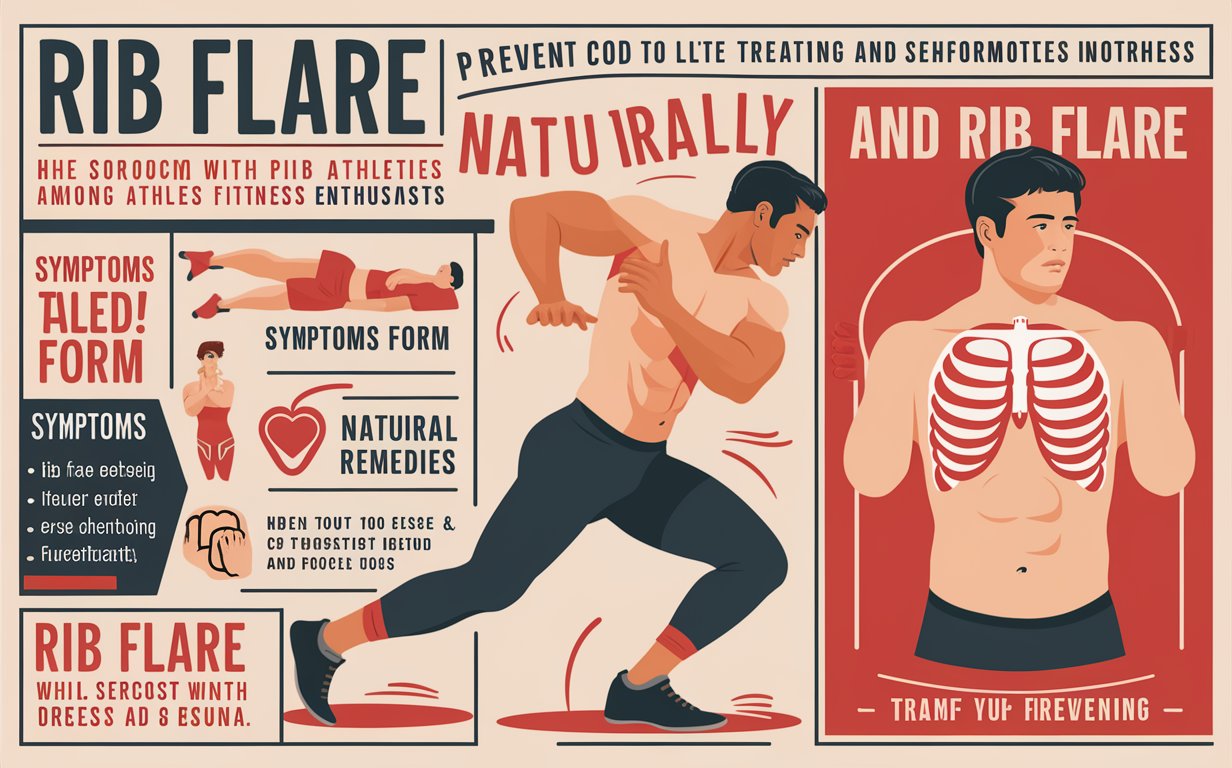
Rib flare is a postural condition that often goes unnoticed but can significantly impact breathing, core stability, appearance, and overall movement quality. Many people discover rib flare when they notice their lower ribs protruding outward, especially when standing, exercising, or looking in the mirror. While rib flare is not always painful, it is commonly associated with poor posture, weak core muscles, dysfunctional breathing patterns, and lower back discomfort. Understanding rib flare is essential not only for aesthetic reasons but also for long-term musculoskeletal health and functional movement.
In today’s sedentary lifestyle, prolonged sitting, poor ergonomic habits, and lack of core engagement have made rib flare increasingly common. The good news is that rib flare can often be improved through proper awareness, targeted exercises, breathing retraining, and posture correction. This comprehensive guide explains what rib flare is, why it happens, how it affects the body, and the most effective natural ways to fix it.
What Is Rib Flare?
Rib flare refers to a condition where the lower ribs angle outward instead of sitting flat and aligned with the pelvis. This outward position often becomes visible when a person stands relaxed, lifts their arms overhead, or tightens their abdominal muscles. Rib flare is closely related to how the rib cage interacts with the pelvis and spine, making it a key indicator of overall postural alignment and core function.
In a neutral posture, the rib cage should be stacked directly over the pelvis, allowing the diaphragm and abdominal muscles to work efficiently. When rib flare occurs, this alignment is disrupted. The ribs tilt upward and forward, often creating excessive arching in the lower back and reducing the body’s ability to stabilize itself during movement. Over time, this imbalance can lead to compensations throughout the body, affecting breathing mechanics, athletic performance, and spinal health.
Causes of Rib Flare
One of the most common causes of rib flare is poor posture, particularly excessive anterior pelvic tilt and overextension of the lower back. When the pelvis tilts forward, the rib cage often flares upward to compensate, creating a misaligned posture that becomes habitual. Sitting for long hours, especially with poor lumbar support, reinforces this pattern and weakens the muscles responsible for stabilizing the trunk.
Another major contributor to rib flare is dysfunctional breathing. Many people rely heavily on chest breathing rather than diaphragmatic breathing. This causes the ribs to lift excessively with each breath, reinforcing the flared position. Weak or underactive core muscles, especially the deep abdominals and obliques, also play a role. When these muscles fail to properly support the rib cage, it naturally drifts into a flared position. In some cases, rib flare can also be influenced by structural factors, pregnancy, previous injuries, or certain athletic training styles that emphasize excessive spinal extension.
Symptoms and Effects of Rib Flare
While rib flare is often identified visually, it can also come with a variety of functional symptoms. Many individuals experience lower back tightness or discomfort due to the increased arch in the lumbar spine. This constant tension can limit spinal mobility and lead to chronic pain over time. Rib flare may also interfere with efficient breathing, making it harder to take deep, controlled breaths and reducing oxygen efficiency during exercise or daily activities.
From a movement perspective, rib flare can negatively affect core stability and athletic performance. Activities such as lifting weights, running, or even walking may feel less controlled because the trunk lacks proper alignment. Over time, this can increase the risk of injury, especially in the lower back, hips, and shoulders. Some people also report neck and shoulder tension, as the body compensates upward for the instability caused by rib flare.

How to Fix Rib Flare Naturally
Correcting rib flare requires a combination of awareness, posture correction, breathing retraining, and targeted strengthening exercises. The first step is learning how to stack the rib cage over the pelvis. This means gently drawing the ribs downward while maintaining a neutral spine, rather than forcefully tucking or bracing excessively. Developing this awareness during standing, sitting, and movement is essential for long-term improvement.
Breathing exercises play a crucial role in fixing rib flare. Diaphragmatic breathing helps retrain the rib cage to expand outward and downward rather than upward and forward. By inhaling deeply into the sides and back of the rib cage and exhaling fully while engaging the core, the body relearns a healthier breathing pattern. Strengthening the deep core muscles, including the transverse abdominis and obliques, provides the stability needed to maintain proper rib alignment. Consistency is key, as rib flare typically develops over years and improves gradually with daily practice.
Best Exercises for Rib Flare
Exercises that focus on core control, posture, and breathing are especially effective for rib flare. Movements such as dead bugs, planks with proper rib positioning, and controlled abdominal breathing drills help reinforce correct alignment. These exercises emphasize maintaining rib-to-pelvis connection while moving the limbs, which directly translates to better posture in everyday activities.
Stretching also plays a supportive role, particularly for tight lower back muscles and hip flexors that contribute to excessive arching. Gentle thoracic mobility exercises can help the rib cage move more freely, reducing the tendency to flare. When performed consistently and with correct technique, these exercises gradually retrain the nervous system and muscular coordination, making proper rib alignment feel natural rather than forced.
Rib Flare and Posture
Rib flare is both a cause and a result of poor posture. When posture deteriorates, the rib cage loses its optimal position, and once rib flare develops, it further reinforces postural dysfunction. This cycle can be broken by improving sitting and standing habits, using ergonomic support, and taking regular movement breaks throughout the day.
Good posture does not mean rigidly holding the body in place. Instead, it involves relaxed alignment where the rib cage, pelvis, and spine work together efficiently. As posture improves, breathing becomes easier, core engagement becomes more automatic, and rib flare gradually reduces without excessive conscious effort.
Conclusion
Rib flare is a common but often misunderstood postural issue that affects breathing, movement, and overall body mechanics. While it may seem like a minor aesthetic concern, rib flare can have significant functional consequences if left unaddressed. Understanding its causes—such as poor posture, weak core muscles, and improper breathing—allows for targeted and effective correction.
The most effective way to fix rib flare naturally is through consistent posture awareness, diaphragmatic breathing, and strengthening of the deep core muscles. With patience and regular practice, rib flare can be significantly improved, leading to better posture, reduced discomfort, and improved overall physical performance.
Frequently Asked Questions (FAQ)
Is rib flare a medical condition?
Rib flare is generally considered a postural or functional issue rather than a medical diagnosis. However, it can contribute to pain and dysfunction if not addressed.
Can rib flare be fixed without surgery?
Yes, most cases of rib flare can be improved naturally through posture correction, breathing exercises, and targeted strengthening without any surgical intervention.
Does rib flare cause back pain?
Rib flare can contribute to lower back pain by increasing spinal extension and reducing core stability, especially during prolonged standing or physical activity.
How long does it take to fix rib flare?
The timeline varies depending on consistency and severity, but noticeable improvements often occur within a few weeks to months of regular practice.
Is rib flare related to weak abs?
Yes, weak or poorly coordinated abdominal muscles are one of the primary contributors to rib flare, especially the deep core muscles.
