
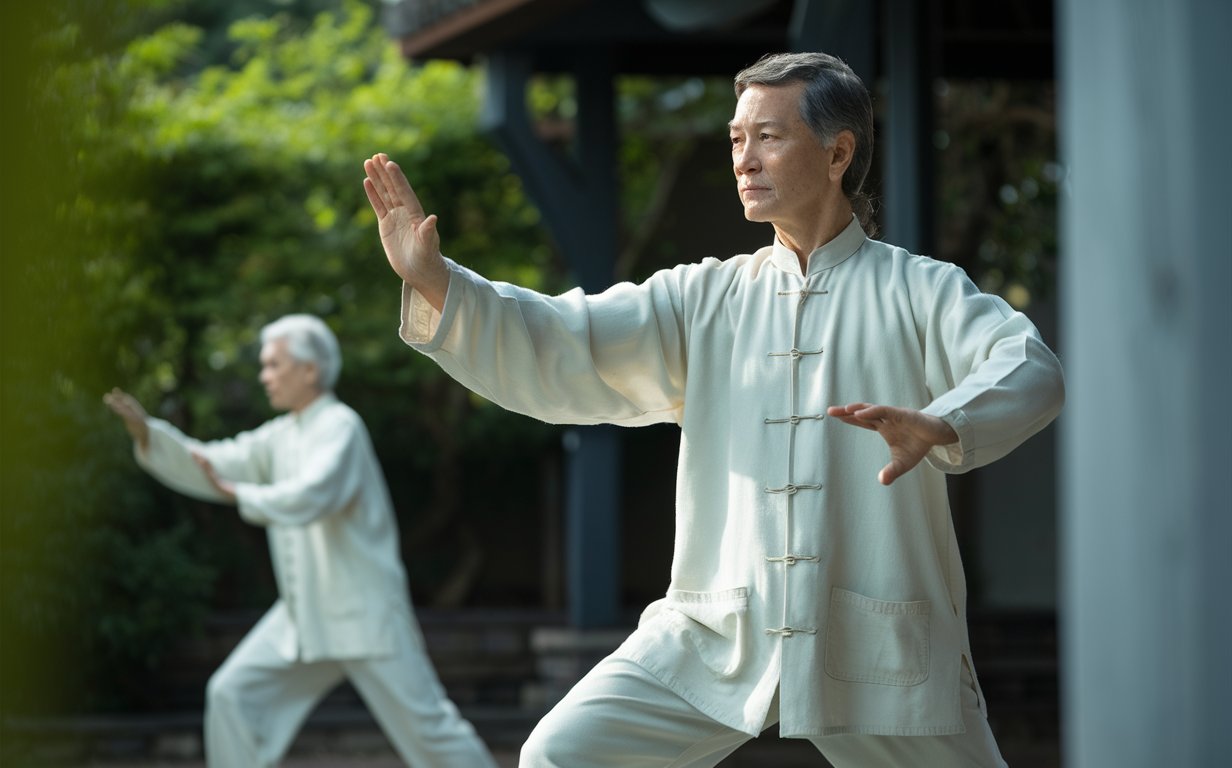
Tai Chi walking is a slow, deliberate movement practice rooted in traditional Chinese martial arts and philosophy, yet it has evolved into one of the most accessible and therapeutic forms of mindful exercise in the modern world. Unlike ordinary walking, Tai Chi walking emphasizes conscious weight shifting, controlled breathing, upright posture, and deep mental focus, turning a simple act into a powerful tool for physical balance, emotional calm, and long-term health. As more people search for low-impact exercises that support both body and mind, Tai Chi walking has gained attention for its ability to improve stability, reduce stress, and enhance overall well-being without placing strain on joints or muscles.
What makes Tai Chi walking particularly valuable is its adaptability. It can be practiced by people of all ages, fitness levels, and physical conditions, whether indoors or outdoors, alone or as part of a structured Tai Chi routine. This article explores what Tai Chi walking is, how it works, its scientifically supported benefits, and how beginners can safely integrate it into daily life for lasting results.
What Is Tai Chi Walking?
Tai Chi walking is a foundational movement technique derived from Tai Chi forms, focusing on slow, continuous steps that coordinate the legs, torso, arms, breath, and mind into a unified flow. Unlike conventional walking, where momentum and speed dominate movement, Tai Chi walking requires intentional control over each phase of the step, from lifting the foot to placing it gently on the ground while maintaining constant balance and awareness. The body remains relaxed yet aligned, allowing energy—known in Tai Chi philosophy as Qi—to circulate freely.
This practice emphasizes rooting through the feet, keeping the spine upright, relaxing the shoulders, and maintaining a calm, focused mental state. Each step becomes a moving meditation, encouraging practitioners to stay present and aware of subtle bodily sensations. Over time, this heightened awareness translates into improved posture, smoother movement patterns, and greater physical confidence in everyday life.
Health Benefits of Tai Chi Walking
Tai Chi walking offers a wide range of physical and mental health benefits that extend far beyond simple exercise. One of its most well-documented advantages is improved balance and stability. By shifting weight slowly and deliberately, practitioners strengthen the muscles responsible for postural control, reducing the risk of falls, especially in older adults. This makes Tai Chi walking one of the most recommended practices for maintaining mobility and independence later in life.
In addition to balance, Tai Chi walking supports joint health and muscle coordination without imposing high impact on the knees, hips, or ankles. The controlled movements increase circulation, lubricate joints, and gently build lower-body strength. At the same time, the meditative aspect of the practice has a profound effect on mental health. Deep, rhythmic breathing combined with slow movement helps calm the nervous system, reduce stress hormones, and improve emotional regulation. Many practitioners report enhanced focus, better sleep, and reduced anxiety after regular practice.
Tai Chi Walking for Beginners
For beginners, Tai Chi walking provides an ideal introduction to Tai Chi principles without the complexity of full forms. The key is to start slowly and focus on correct posture rather than distance or duration. Beginners should begin by standing upright with feet shoulder-width apart, knees slightly bent, and arms relaxed at the sides. The movement begins by shifting weight fully onto one leg before lifting the other foot, placing the heel down first, and gradually transferring weight forward.
Breathing should remain natural and deep, ideally synchronized with each step. Beginners are encouraged to practice in a quiet environment where they can concentrate fully on their movements. Over time, this focused repetition builds muscle memory, improves coordination, and develops a sense of internal balance that carries over into everyday walking and standing.

The Mind-Body Connection in Tai Chi Walking
One of the defining features of Tai Chi walking is its integration of physical movement with mental awareness. Unlike conventional exercise routines that may distract the mind, Tai Chi walking actively trains concentration and presence. Each step requires awareness of posture, weight distribution, and breath, creating a powerful feedback loop between the body and the mind.
This mind-body connection has measurable benefits. Studies have shown that Tai Chi practices improve cognitive function, attention span, and emotional resilience. By slowing down movement, practitioners learn to quiet mental chatter and develop a calmer, more focused state of mind. This makes Tai Chi walking not only a physical exercise but also a form of moving meditation that supports long-term mental clarity and emotional balance.
How Often Should You Practice Tai Chi Walking?
Consistency is more important than intensity when it comes to Tai Chi walking. Practicing for just 10 to 20 minutes a day can produce noticeable improvements in balance, posture, and mental calm over time. Because the practice is gentle and low-impact, it can be performed daily without risk of overtraining or injury.
Many people choose to integrate Tai Chi walking into their morning routine to set a calm tone for the day, while others use it in the evening to release tension and stress. As skill and confidence increase, practitioners may combine Tai Chi walking with full Tai Chi forms or other mindfulness practices for deeper benefits.
Conclusion
Tai Chi walking is a simple yet profoundly effective practice that transforms ordinary movement into a powerful tool for health, balance, and inner calm. By emphasizing slow, mindful steps and coordinated breathing, it strengthens the body while soothing the mind, making it accessible to people of all ages and fitness levels. Whether practiced as a standalone exercise or as part of a broader Tai Chi routine, Tai Chi walking offers lasting benefits that extend into daily life, improving posture, confidence, and emotional well-being. In a fast-paced world, this ancient practice provides a much-needed opportunity to slow down, reconnect with the body, and cultivate long-term health.
Frequently Asked Questions (FAQ)
What is the difference between Tai Chi walking and normal walking?
Tai Chi walking focuses on slow, deliberate steps with full awareness of posture, balance, and breath, whereas normal walking is usually automatic and momentum-driven. This mindfulness is what creates its therapeutic benefits.
Can beginners practice Tai Chi walking without an instructor?
Yes, beginners can safely practice Tai Chi walking on their own, especially by starting slowly and focusing on posture and balance. However, guidance from a qualified instructor can help refine technique and prevent bad habits.
Is Tai Chi walking suitable for older adults?
Tai Chi walking is highly suitable for older adults because it improves balance, reduces fall risk, and strengthens muscles without stressing the joints.
How long does it take to see results from Tai Chi walking?
Many people notice improvements in balance and mental calm within a few weeks of regular practice, while long-term benefits develop over months of consistent training.
Can Tai Chi walking help with stress and anxiety?
Yes, Tai Chi walking is known to calm the nervous system, promote relaxation, and reduce stress and anxiety through mindful movement and controlled breathing.
