
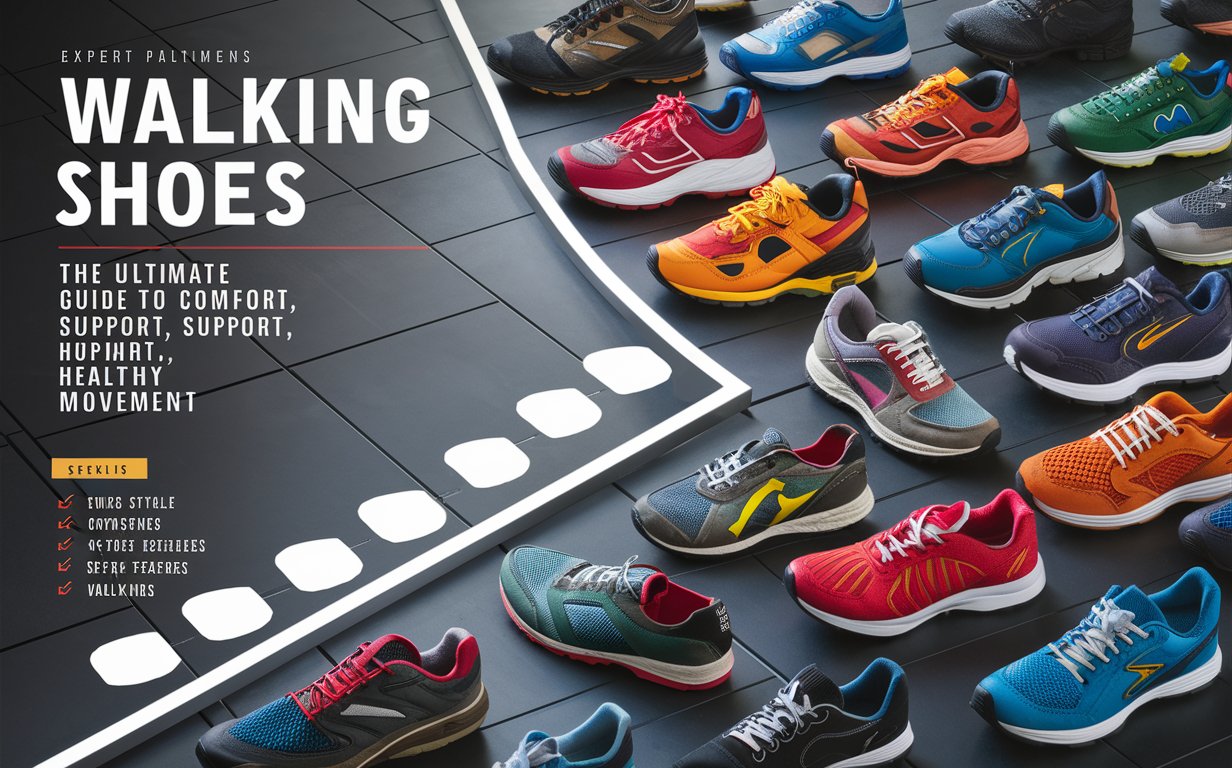
Walking shoes are more than just casual footwear; they are a critical foundation for daily comfort, posture, and long-term foot health. Whether you walk for fitness, commute on foot, travel frequently, or simply spend long hours standing, the right pair of walking shoes can significantly reduce fatigue, prevent injury, and improve overall mobility. Unlike running shoes or fashion sneakers, walking shoes are specifically designed to support the natural heel-to-toe motion of walking, offering balanced cushioning, stability, and durability. As walking continues to be one of the most recommended forms of low-impact exercise worldwide, choosing proper walking shoes has become essential for people of all ages and lifestyles.
What Makes Walking Shoes Different from Other Footwear
Walking shoes are engineered with features that specifically support repetitive forward motion rather than high-impact or lateral movement. One of the most important distinctions is the flexible forefoot, which allows the foot to roll naturally from heel to toe. This design reduces strain on joints and muscles while encouraging proper walking mechanics. In contrast, running shoes often have excessive cushioning and heel elevation that can interfere with natural walking posture, while casual sneakers frequently lack arch support and shock absorption.
Additionally, walking shoes typically include firmer midsoles for stability, supportive heel counters to prevent overpronation, and breathable materials to maintain foot comfort during long periods of wear. These features collectively contribute to better balance, reduced foot pain, and improved endurance throughout the day.
Key Features to Look for in High-Quality Walking Shoes
When selecting walking shoes, comfort should always be the top priority, but comfort alone is not enough. Proper arch support is essential for distributing body weight evenly across the foot and preventing conditions such as plantar fasciitis. Cushioning should be responsive rather than overly soft, ensuring shock absorption without compromising stability. A well-designed outsole with good traction is also important, especially for people who walk on various surfaces such as sidewalks, trails, or indoor flooring.
Breathability is another critical feature, as moisture buildup can lead to discomfort and skin issues. High-quality walking shoes often use mesh or moisture-wicking linings to keep feet cool and dry. Lastly, the fit should allow enough room in the toe box to prevent pressure while still holding the heel securely in place.
Benefits of Wearing Proper Walking Shoes
The benefits of wearing proper walking shoes extend far beyond immediate comfort. Over time, supportive footwear helps maintain correct alignment of the feet, knees, hips, and spine, reducing the risk of chronic pain and joint problems. Walking shoes can also improve circulation, decrease muscle fatigue, and enhance walking efficiency, making daily activities feel easier and more enjoyable.
For individuals with existing foot conditions such as flat feet, high arches, or arthritis, specialized walking shoes can provide targeted relief and prevent further complications. Even for healthy individuals, investing in quality walking shoes contributes to better posture, increased energy levels, and improved overall physical well-being.
Walking Shoes for Different Lifestyles and Needs
Not all walking shoes serve the same purpose, and selecting the right type depends on lifestyle and usage. Fitness walkers benefit from lightweight shoes with enhanced cushioning and flexibility to support longer distances. Travel and everyday walkers often prefer versatile designs that combine comfort with style, making them suitable for extended wear. For older adults, walking shoes with extra stability, slip-resistant soles, and easy fastening systems can significantly improve safety and confidence.
People who spend long hours on their feet at work should look for walking shoes with durable construction, superior shock absorption, and ergonomic design. Matching the shoe to the activity ensures maximum comfort and performance.
How to Choose the Right Walking Shoes
Choosing the right walking shoes requires more than just selecting the correct size. Feet tend to swell throughout the day, so trying shoes on in the afternoon often results in a more accurate fit. Walking around in the shoes before purchasing can help assess comfort, flexibility, and support. It is also advisable to replace walking shoes regularly, as worn-out soles and compressed cushioning lose their ability to protect the feet effectively.
Understanding personal foot type and walking habits allows for a more informed decision. Consulting a podiatrist or footwear specialist can also be beneficial for those with specific foot concerns.
Conclusion
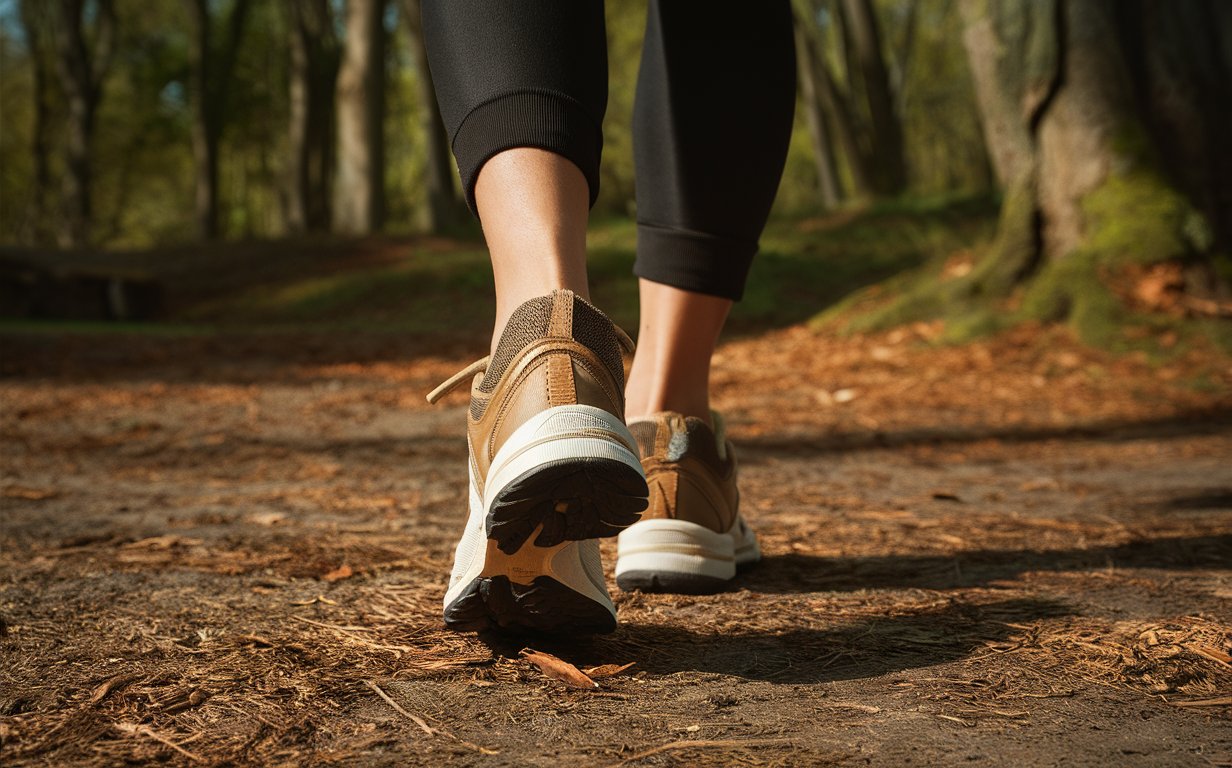
Walking shoes play a vital role in maintaining comfort, health, and mobility in everyday life. By choosing footwear specifically designed for walking, individuals can protect their joints, enhance posture, and enjoy movement with less fatigue and discomfort. Investing in high-quality walking shoes is not just about style or convenience; it is a long-term commitment to physical well-being and active living. With the right knowledge and careful selection, walking shoes can become a powerful tool for improving quality of life.
Frequently Asked Questions (FAQ)
1. How often should walking shoes be replaced?
Walking shoes should typically be replaced every 300 to 500 miles or when noticeable wear appears in the outsole and cushioning, as worn shoes lose their supportive properties.
2. Can walking shoes be used for running?
While walking shoes are excellent for walking, they are not designed for the higher impact and speed of running. Running regularly in walking shoes may increase the risk of injury.
3. Are expensive walking shoes better?
Price does not always guarantee quality, but well-made walking shoes often use better materials and offer superior support, which can justify the cost over time.
4. Do walking shoes help with foot pain?
Yes, properly designed walking shoes can significantly reduce foot pain by providing arch support, cushioning, and stability tailored to walking motion.
5. Should walking shoes fit snug or loose?
Walking shoes should fit snugly around the heel and midfoot while allowing enough space in the toe box for natural movement and comfort.
