
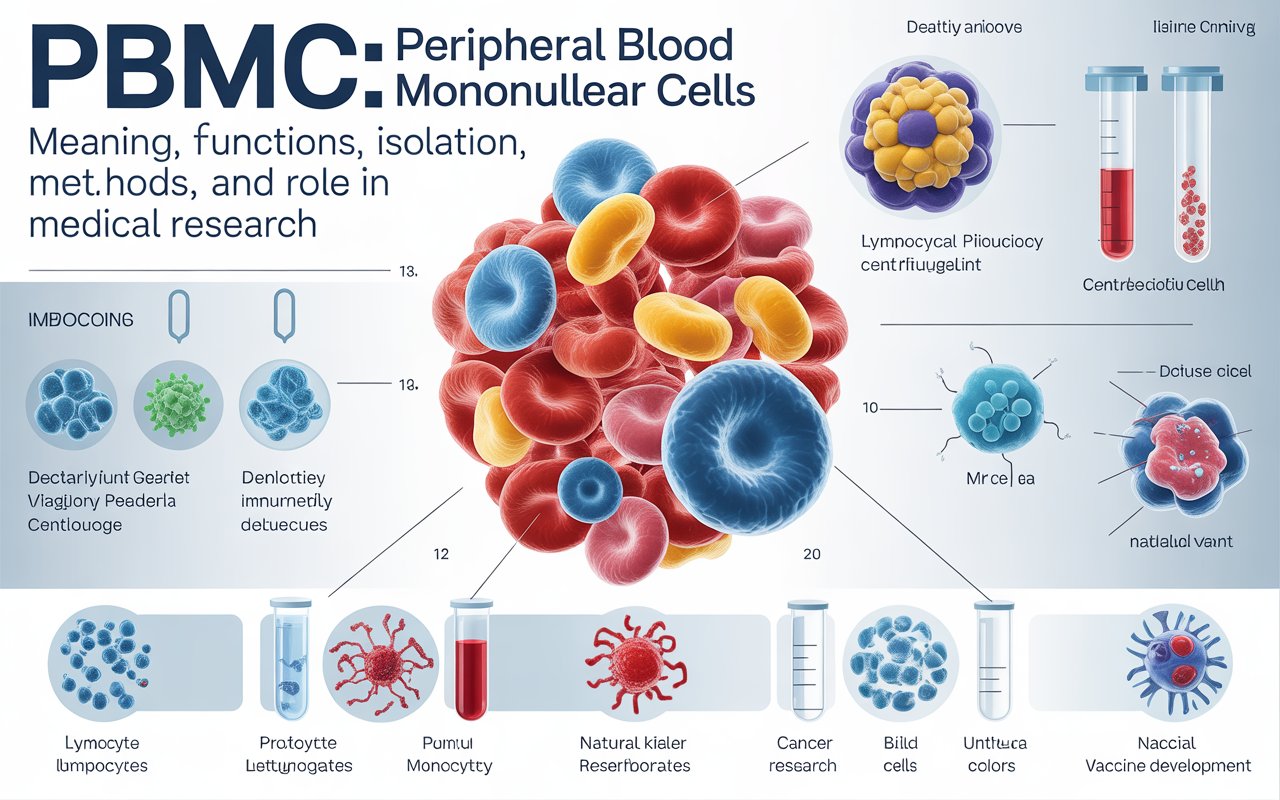
Peripheral Blood Mononuclear Cells, commonly referred to as PBMCs, are an essential group of immune cells found in the bloodstream that play a crucial role in the human immune system. These cells are characterized by having a single round nucleus and include several important immune cell types such as lymphocytes and monocytes. PBMCs are widely studied in immunology, biotechnology, and medical research because they provide valuable insights into how the immune system responds to infections, diseases, vaccines, and therapeutic treatments. Researchers and clinicians rely heavily on PBMCs to study immune responses in conditions such as cancer, autoimmune diseases, viral infections, and inflammatory disorders. Because they can be easily obtained from blood samples, PBMCs serve as a convenient and powerful tool for understanding immune system behavior and developing innovative medical therapies.
In modern biomedical science, PBMCs are particularly important because they allow researchers to examine immune responses outside the human body in controlled laboratory conditions. Scientists can isolate these cells from blood samples and then analyze how they react to different stimuli such as pathogens, drugs, or vaccines. This ability has made PBMCs a cornerstone of immunological research and has contributed significantly to advancements in vaccine development, disease diagnosis, and personalized medicine. Understanding PBMCs, their functions, and their applications is therefore essential for anyone interested in immunology, biotechnology, or healthcare research.
What Are PBMCs?
Peripheral Blood Mononuclear Cells are a specific category of blood cells that contain a single round nucleus and are part of the body’s immune defense system. These cells are primarily composed of lymphocytes, which include T cells, B cells, and natural killer cells, as well as monocytes that can differentiate into macrophages or dendritic cells when they migrate into tissues. PBMCs circulate in the bloodstream and constantly monitor the body for signs of infection, inflammation, or abnormal cellular activity.
The unique structure of PBMCs distinguishes them from other blood cells such as granulocytes, which have multi-lobed nuclei. Because PBMCs are directly involved in recognizing pathogens and initiating immune responses, they are vital for maintaining immune surveillance and protecting the body from harmful microorganisms. Their ability to detect foreign substances, produce antibodies, and activate immune signaling pathways makes them indispensable components of the immune system.
Functions of PBMCs in the Immune System
PBMCs play several crucial roles in the immune response, acting as both defenders and coordinators of immune activity. One of their primary functions is recognizing foreign pathogens such as bacteria, viruses, and parasites. Once these pathogens are detected, PBMCs initiate a cascade of immune responses that help eliminate the threat and restore the body’s health.
Lymphocytes within the PBMC population are responsible for adaptive immunity, which allows the immune system to remember specific pathogens and respond more effectively upon future exposure. T cells can directly attack infected cells or regulate immune responses, while B cells produce antibodies that neutralize harmful microorganisms. Natural killer cells provide rapid responses against virus-infected cells and tumor cells, making them essential for early immune defense.
Monocytes, another major component of PBMCs, serve as precursors to macrophages and dendritic cells. These specialized cells engulf pathogens, present antigens to lymphocytes, and help coordinate the immune response. Through these various mechanisms, PBMCs form an integrated defense network that protects the body from infections and supports long-term immune memory.
PBMC Isolation Methods
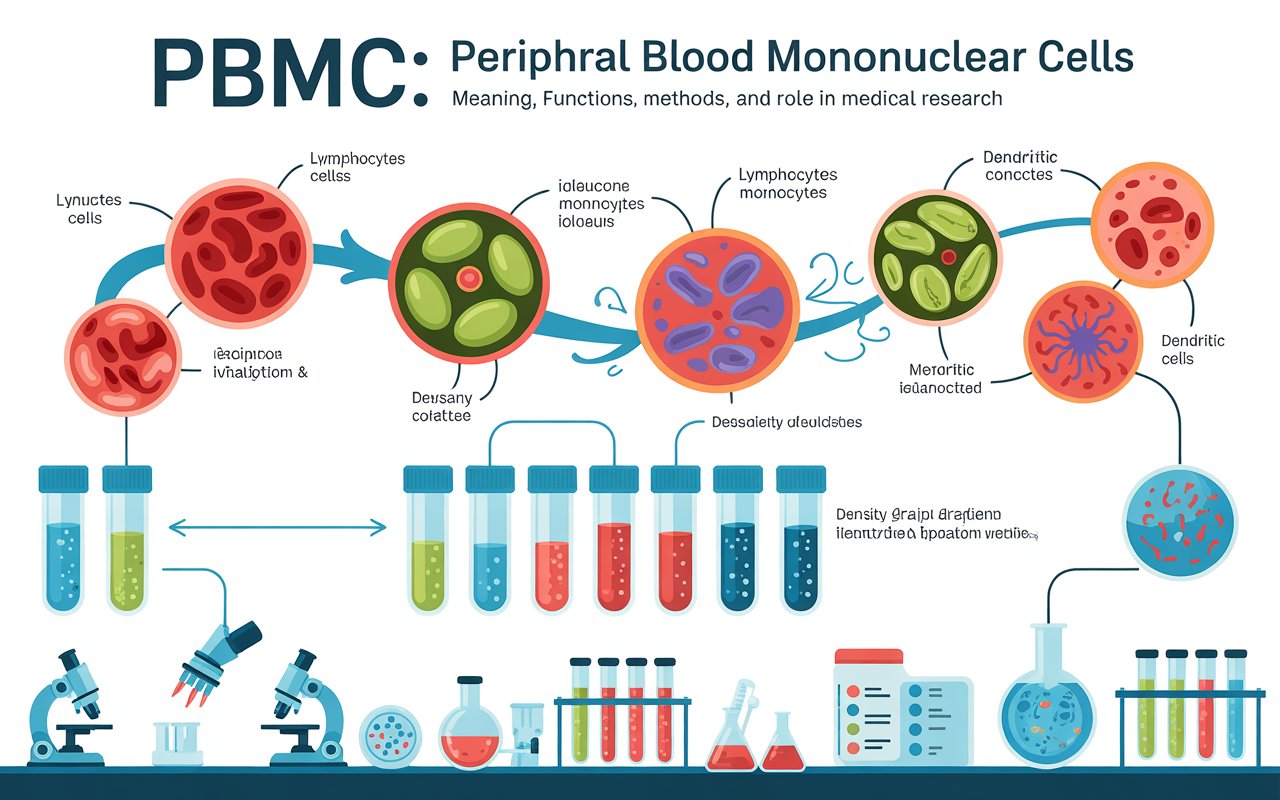
PBMC isolation is a common laboratory procedure used in immunological research and clinical diagnostics. The most widely used technique for isolating PBMCs is density gradient centrifugation, which separates blood components based on their density. In this method, a blood sample is layered over a specialized medium and centrifuged to create distinct layers containing different types of cells.
During centrifugation, PBMCs form a distinct layer between plasma and other blood components, allowing researchers to carefully collect them for further analysis. Once isolated, these cells can be cultured in laboratory conditions and subjected to various experiments that evaluate immune responses, gene expression, cytokine production, and cellular interactions.
Advancements in biotechnology have also introduced automated and high-throughput methods for PBMC isolation and analysis. These technologies improve accuracy, efficiency, and reproducibility, enabling researchers to conduct large-scale studies involving immune responses in different populations or disease conditions.
Applications of PBMCs in Medical Research
PBMCs have become an invaluable resource in biomedical research due to their versatility and accessibility. One of their most important applications is in vaccine development, where scientists use PBMCs to study how immune cells respond to vaccine candidates. By analyzing PBMC responses, researchers can determine whether a vaccine effectively stimulates the immune system.
In cancer research, PBMCs are used to study immune system interactions with tumor cells and to develop immunotherapies that enhance the body’s natural defenses against cancer. Researchers also use PBMCs to evaluate the effectiveness of immune checkpoint inhibitors and other targeted therapies designed to improve immune responses against tumors.
PBMCs are also widely used in infectious disease research. Scientists can expose these cells to viral or bacterial antigens to observe how the immune system reacts, helping them identify potential treatments or preventive strategies. Additionally, PBMC analysis is frequently used in studies related to autoimmune diseases, where the immune system mistakenly attacks the body’s own tissues.
PBMC Testing in Clinical Diagnostics
In clinical settings, PBMC testing is increasingly used to evaluate immune system health and detect abnormalities. Physicians and researchers may analyze PBMCs to assess immune responses in patients with chronic infections, immune deficiencies, or inflammatory diseases. By studying PBMC behavior, healthcare professionals can gain valuable insights into how the immune system is functioning and identify potential therapeutic strategies.
PBMC analysis is also used in personalized medicine, where treatments are tailored based on a patient’s unique immune profile. For example, PBMC testing can help determine how a patient might respond to a specific immunotherapy drug or vaccine. This approach allows doctors to design more effective treatment plans and improve patient outcomes.
Advantages of Using PBMCs in Research
One of the main advantages of PBMCs is that they can be obtained relatively easily from blood samples without the need for invasive procedures. This accessibility makes them ideal for repeated sampling in clinical trials and longitudinal studies. Researchers can track changes in immune responses over time and gain a deeper understanding of disease progression and treatment effectiveness.
Another significant advantage is that PBMCs represent a diverse population of immune cells, allowing scientists to study multiple aspects of the immune response simultaneously. Their versatility and adaptability have made them a fundamental tool in immunology, biotechnology, and pharmaceutical research.
Conclusion
Peripheral Blood Mononuclear Cells are a vital component of the immune system and an essential tool in modern medical research. Their ability to detect pathogens, coordinate immune responses, and contribute to long-term immunity makes them indispensable for maintaining human health. In research laboratories and clinical settings alike, PBMCs provide valuable insights into immune function, disease mechanisms, and treatment strategies. From vaccine development to cancer immunotherapy and personalized medicine, the study of PBMCs continues to drive advancements in healthcare and biotechnology. As scientific technology continues to evolve, PBMC research is expected to play an even greater role in developing innovative therapies and improving our understanding of the immune system.
FAQ About PBMC
What does PBMC stand for?
PBMC stands for Peripheral Blood Mononuclear Cells, which are immune cells found in the bloodstream with a single round nucleus.
Which cells are included in PBMCs?
PBMCs include lymphocytes such as T cells, B cells, natural killer cells, and monocytes.
Why are PBMCs important in research?
PBMCs are widely used in immunology research because they help scientists study immune responses, infections, vaccines, and diseases.
How are PBMCs isolated from blood?
PBMCs are commonly isolated using density gradient centrifugation, a laboratory method that separates blood cells based on density.
What diseases are studied using PBMCs?
PBMCs are used in research related to cancer, autoimmune diseases, viral infections, inflammatory disorders, and vaccine development.
