
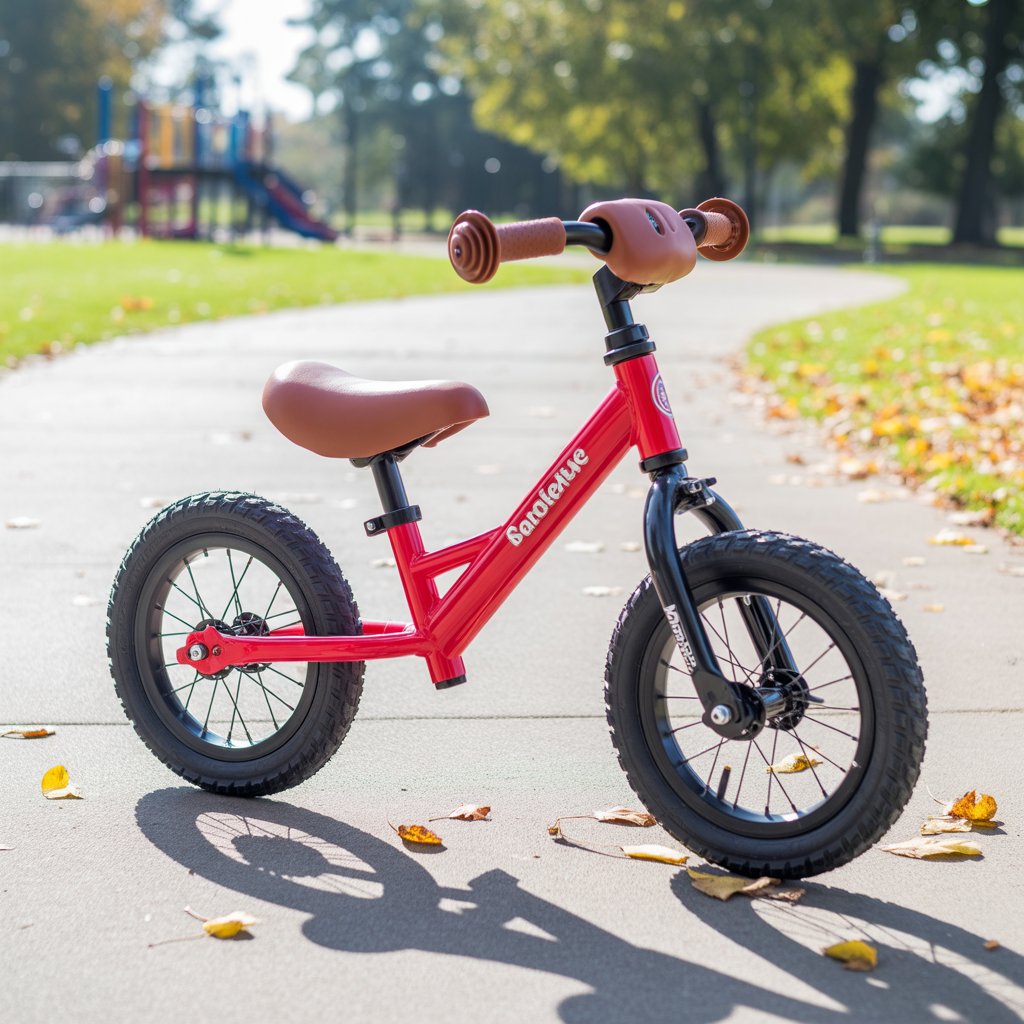
A balance bike is one of the most effective tools for teaching young children how to ride confidently and safely. Unlike traditional bikes with training wheels, a balance bike helps kids develop coordination, balance, and steering control naturally. It eliminates the need for pedals, allowing children to focus on mastering balance before transitioning to a regular bicycle. This approach not only builds confidence but also makes the learning process smoother and more enjoyable. In this comprehensive guide, every aspect of balance bikes is explored—from their benefits and features to how to choose the perfect one for a child.
What Is a Balance Bike?
A balance bike is a two-wheeled bicycle without pedals, chains, or training wheels. Children propel themselves forward by pushing off the ground with their feet, which helps them learn how to balance and steer. The simplicity of the design encourages natural movement and coordination. Balance bikes are typically made from lightweight materials such as aluminum, steel, or wood, making them easy for toddlers to handle. They are suitable for children as young as 18 months and can be used until they are ready to transition to a pedal bike.
Benefits of Using a Balance Bike
Balance bikes offer numerous developmental and physical benefits. The most significant advantage is that they teach balance and coordination at an early age. Children learn how to control their body movements, steer effectively, and maintain stability without relying on training wheels. This skill translates directly to riding a pedal bike, often eliminating the need for additional support. Balance bikes also promote physical activity, helping children build strength, endurance, and confidence. Moreover, they encourage independence, as kids can ride and explore at their own pace. Parents appreciate that balance bikes reduce the fear of falling, making the learning process less stressful for both child and adult.
How to Choose the Right Balance Bike
Selecting the right balance bike involves considering several key factors such as size, weight, material, and adjustability. The correct size ensures that the child can sit comfortably with both feet flat on the ground. A lightweight frame is essential for easy maneuverability, especially for younger riders. Aluminum and wooden balance bikes are popular choices due to their durability and low weight. Adjustable seat height and handlebars allow the bike to grow with the child, extending its usability. Tires also play a crucial role—foam tires are maintenance-free and puncture-proof, while air tires provide better traction and a smoother ride. Safety features like handlebar grips, steering limiters, and footrests can further enhance the riding experience.
Balance Bike vs. Training Wheels
Many parents wonder whether to start with a balance bike or a traditional bike with training wheels. The main difference lies in the learning approach. Training wheels provide stability but do not teach balance, which is the most critical skill for cycling. Children who start with training wheels often struggle when transitioning to a regular bike because they must unlearn the habit of relying on external support. In contrast, balance bikes focus on developing balance and coordination from the beginning. Once a child masters these skills, pedaling becomes a simple next step. This makes the transition to a standard bicycle faster, easier, and more natural.
Safety Tips for Balance Bike Riders
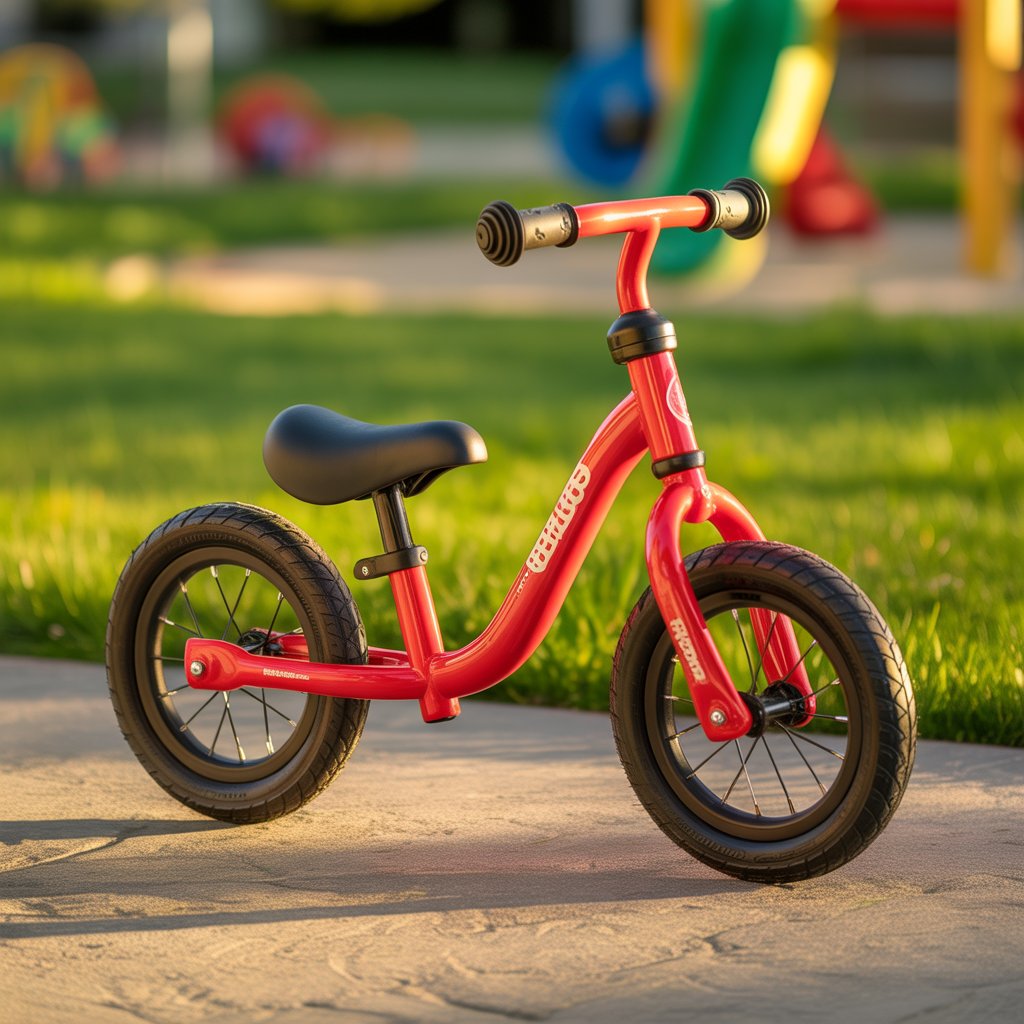
Safety should always be a top priority when introducing a child to a balance bike. A properly fitted helmet is essential to protect against head injuries. Ensure that the bike is the right size and that the seat and handlebars are adjusted correctly. The riding area should be safe, free from traffic, and have a smooth surface. Encourage children to wear closed-toe shoes and avoid loose clothing that could get caught in the wheels. Supervision is important, especially for younger riders, to ensure they stay within safe boundaries. Teaching basic road awareness and signaling can also prepare them for future cycling experiences.
Top Features to Look for in a Balance Bike
When shopping for a balance bike, certain features can make a significant difference in performance and comfort. Look for a lightweight frame that allows easy handling and control. Adjustable components ensure the bike grows with the child, providing long-term value. A low step-through frame design makes it easier for kids to mount and dismount safely. Padded seats and ergonomic grips enhance comfort during longer rides. Some models include footrests that help children practice coasting and balancing with their feet off the ground. High-quality bearings and durable tires contribute to a smoother, more stable ride.
How to Teach a Child to Ride a Balance Bike
Introducing a child to a balance bike should be a fun and encouraging experience. Start by letting them walk the bike while seated, getting used to its feel and movement. Gradually, they will begin to push off with their feet and glide short distances. Encourage them to look ahead rather than down at their feet, as this helps with balance and steering. Celebrate small milestones, such as coasting for a few seconds or turning smoothly. Avoid rushing the process—each child learns at their own pace. With consistent practice, most children gain confidence and balance within a few weeks.
Maintenance and Care for Balance Bikes
Proper maintenance ensures that a balance bike remains safe and functional for years. Regularly check the tires for wear and ensure they are properly inflated if they are air-filled. Tighten bolts and screws periodically to prevent loosening. Clean the frame and components with a damp cloth to remove dirt and debris. Wooden balance bikes may require occasional polishing or sealing to protect against moisture. Storing the bike indoors or in a dry area helps prevent rust and prolongs its lifespan. Teaching children to care for their bike also instills responsibility and respect for their belongings.
Conclusion
A balance bike is more than just a toy—it is a powerful learning tool that builds confidence, coordination, and independence in young riders. By focusing on balance first, children develop essential cycling skills that make the transition to a pedal bike seamless. Choosing the right balance bike, ensuring safety, and encouraging regular practice can create a positive and rewarding experience for both child and parent. Investing in a quality balance bike sets the foundation for a lifetime of active, confident riding.
Frequently Asked Questions
1. What age is best to start using a balance bike?
Most children can start using a balance bike between 18 months and 2 years old, depending on their height and coordination.
2. How long do kids typically use a balance bike?
Children usually ride balance bikes until around 4 to 6 years old, or until they are ready to transition to a pedal bike.
3. Do balance bikes really help kids learn faster?
Yes, balance bikes teach balance and coordination first, which makes learning to ride a pedal bike much easier and faster.
4. Are balance bikes safe for toddlers?
Balance bikes are safe when used with proper supervision, a well-fitted helmet, and in a secure environment free from traffic.
5. Should a balance bike have brakes?
Some balance bikes include hand brakes, which can help older children learn braking control, but they are not essential for beginners.
6. What is the best material for a balance bike?
Aluminum and wooden balance bikes are popular for their lightweight and durability, while steel models offer extra strength for older riders.
7. Can balance bikes be used indoors?
Yes, balance bikes with foam or rubber tires can be used indoors on smooth surfaces, but ensure there is enough space for safe movement.
8. How do I know if the balance bike fits my child?
The child should be able to sit on the seat with both feet flat on the ground and knees slightly bent for proper control and comfort.
9. Do balance bikes replace training wheels completely?
Yes, most children who learn on balance bikes skip training wheels entirely and move directly to pedal bikes.
10. How can I encourage my child to ride more often?
Make riding fun by exploring parks, setting small challenges, and riding together as a family to build enthusiasm and confidence
