
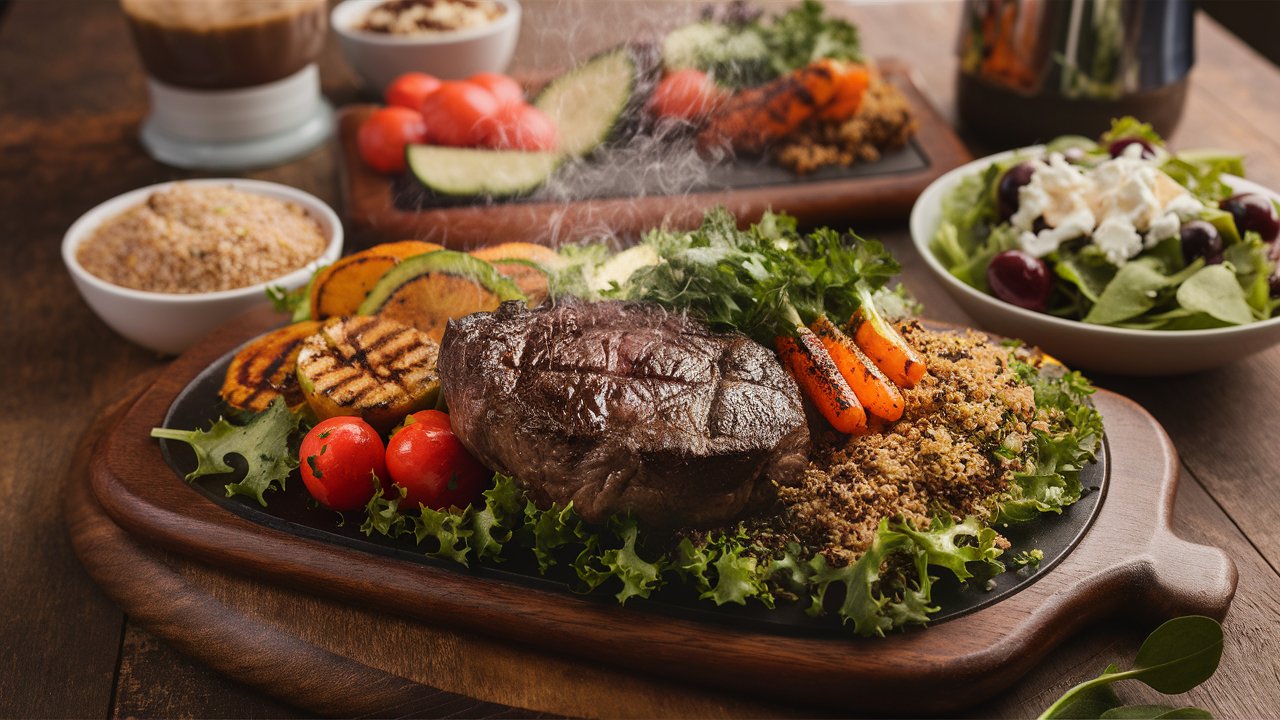
High protein meals have become a cornerstone of healthy eating, fitness, and weight management. Whether the goal is to build muscle, lose fat, or simply maintain a balanced diet, protein plays a vital role in supporting overall health. It is one of the three essential macronutrients, responsible for repairing tissues, producing enzymes, and maintaining muscle mass. In today’s fast-paced world, where processed foods dominate, incorporating high protein meals into daily routines can make a significant difference in energy levels, metabolism, and long-term wellness. This comprehensive guide explores the benefits of high protein meals, the best sources of protein, and practical meal ideas for every lifestyle.
What Are High Protein Meals?
High protein meals are dishes that contain a substantial amount of protein relative to carbohydrates and fats. These meals are designed to provide the body with the amino acids necessary for muscle repair, hormone production, and immune function. Typically, a high protein meal includes lean meats, fish, eggs, dairy, legumes, or plant-based protein sources. The goal is to ensure that each meal contributes to the daily protein requirement, which varies depending on age, activity level, and health goals. For most adults, consuming between 0.8 to 1.2 grams of protein per kilogram of body weight is recommended, though athletes and active individuals may need more.
The Importance of High Protein Meals in a Balanced Diet
Protein is often referred to as the building block of life, and for good reason. High protein meals help maintain lean muscle mass, especially during weight loss or aging. They also promote satiety, reducing hunger and preventing overeating. Unlike carbohydrates, which can cause rapid spikes in blood sugar, protein provides a steady source of energy and helps regulate metabolism. Additionally, high protein meals support bone health, improve recovery after exercise, and enhance cognitive function. Incorporating protein-rich foods into every meal ensures that the body receives consistent nourishment throughout the day.
Best Sources of Protein for High Protein Meals
The quality of protein matters just as much as the quantity. Animal-based proteins such as chicken, turkey, beef, fish, eggs, and dairy products are considered complete proteins because they contain all nine essential amino acids. For those following vegetarian or vegan diets, plant-based sources like lentils, chickpeas, quinoa, tofu, tempeh, and edamame provide excellent alternatives. Combining different plant proteins, such as rice and beans, can also create a complete amino acid profile. Including a variety of protein sources in high protein meals ensures balanced nutrition and prevents dietary monotony.
High Protein Breakfast Ideas
Starting the day with a high protein breakfast sets the tone for sustained energy and focus. Options like Greek yogurt with nuts and berries, scrambled eggs with spinach and avocado, or protein smoothies made with whey or plant-based protein powder are excellent choices. For those who prefer savory meals, smoked salmon on whole-grain toast or cottage cheese with vegetables provides a satisfying and nutrient-dense start. High protein breakfasts not only curb mid-morning cravings but also support muscle recovery and metabolism throughout the day.
High Protein Lunch and Dinner Ideas
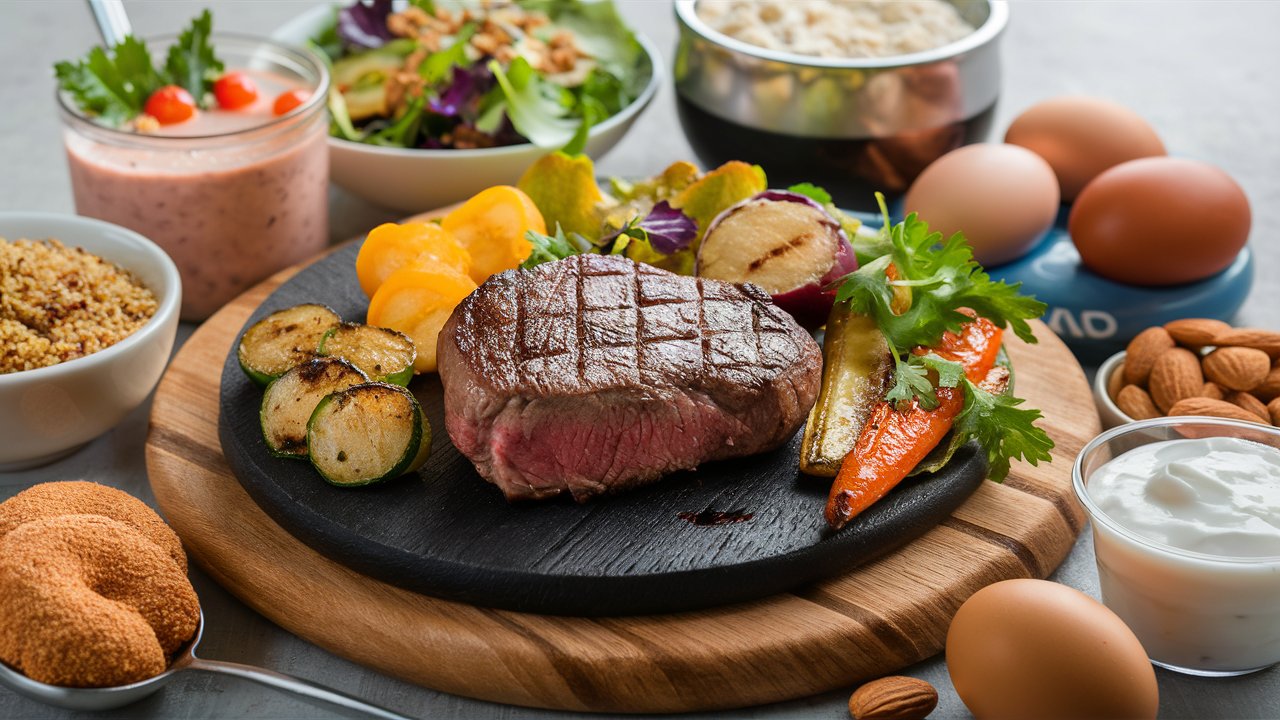
Lunch and dinner are perfect opportunities to incorporate hearty, high protein meals that keep the body fueled and satisfied. Grilled chicken breast with quinoa and roasted vegetables, baked salmon with brown rice and asparagus, or lean beef stir-fry with broccoli and bell peppers are classic examples. For plant-based eaters, lentil curry, tofu stir-fry, or chickpea salad bowls offer delicious and protein-packed alternatives. The key is to balance protein with complex carbohydrates and healthy fats to create a well-rounded meal that supports energy and recovery.
High Protein Snacks for Busy Lifestyles
Incorporating high protein snacks between meals helps maintain energy levels and prevent overeating. Simple options like boiled eggs, protein bars, roasted chickpeas, or a handful of almonds can provide a quick protein boost. Greek yogurt with honey, cottage cheese with fruit, or a protein shake after a workout are also convenient choices. These snacks are not only portable but also help stabilize blood sugar levels, making them ideal for people with active or demanding schedules.
Benefits of High Protein Meals for Weight Loss and Muscle Gain
High protein meals are particularly effective for those aiming to lose weight or build muscle. Protein increases the thermic effect of food, meaning the body burns more calories during digestion. It also helps preserve lean muscle mass during calorie restriction, ensuring that weight loss comes primarily from fat. For athletes and fitness enthusiasts, high protein meals support muscle repair and growth after intense workouts. By promoting satiety and reducing cravings, protein-rich diets make it easier to maintain a healthy calorie balance and achieve long-term fitness goals.
How to Plan and Prepare High Protein Meals
Meal planning is essential for maintaining consistency with high protein eating. Start by identifying daily protein goals and dividing them evenly across meals. Preparing ingredients in advance—such as grilling chicken, boiling eggs, or cooking quinoa—saves time and ensures that healthy options are always available. Incorporating a mix of animal and plant-based proteins adds variety and nutritional balance. Using herbs, spices, and healthy sauces enhances flavor without adding unnecessary calories. With proper planning, high protein meals can be both delicious and convenient.
Conclusion
High protein meals are more than just a dietary trend—they are a foundation for optimal health, strength, and vitality. By incorporating a variety of protein sources into daily meals, it becomes easier to maintain energy, support muscle growth, and achieve weight management goals. Whether following a fitness regimen, pursuing a healthier lifestyle, or simply looking to eat more mindfully, high protein meals offer a sustainable and satisfying approach to nutrition. With thoughtful planning and creativity, anyone can enjoy the benefits of a protein-rich diet that fuels both body and mind.
Frequently Asked Questions
1. How much protein should be consumed daily?
The recommended daily intake of protein varies based on age, gender, and activity level. Most adults should aim for 0.8 to 1.2 grams of protein per kilogram of body weight, while athletes may require up to 2 grams per kilogram.
2. Can high protein meals help with weight loss?
Yes, high protein meals promote satiety, reduce cravings, and increase metabolism, making it easier to maintain a calorie deficit and lose weight effectively.
3. What are the best plant-based protein sources?
Excellent plant-based protein sources include lentils, chickpeas, tofu, tempeh, quinoa, edamame, and nuts. Combining different sources ensures a complete amino acid profile.
4. Are high protein diets safe for everyone?
For most healthy individuals, high protein diets are safe and beneficial. However, those with kidney or liver conditions should consult a healthcare professional before increasing protein intake.
5. What are some easy high protein meal ideas?
Simple high protein meals include grilled chicken with vegetables, salmon with quinoa, tofu stir-fry, Greek yogurt parfaits, and protein smoothies. These options are quick to prepare and nutritionally balanced.
