
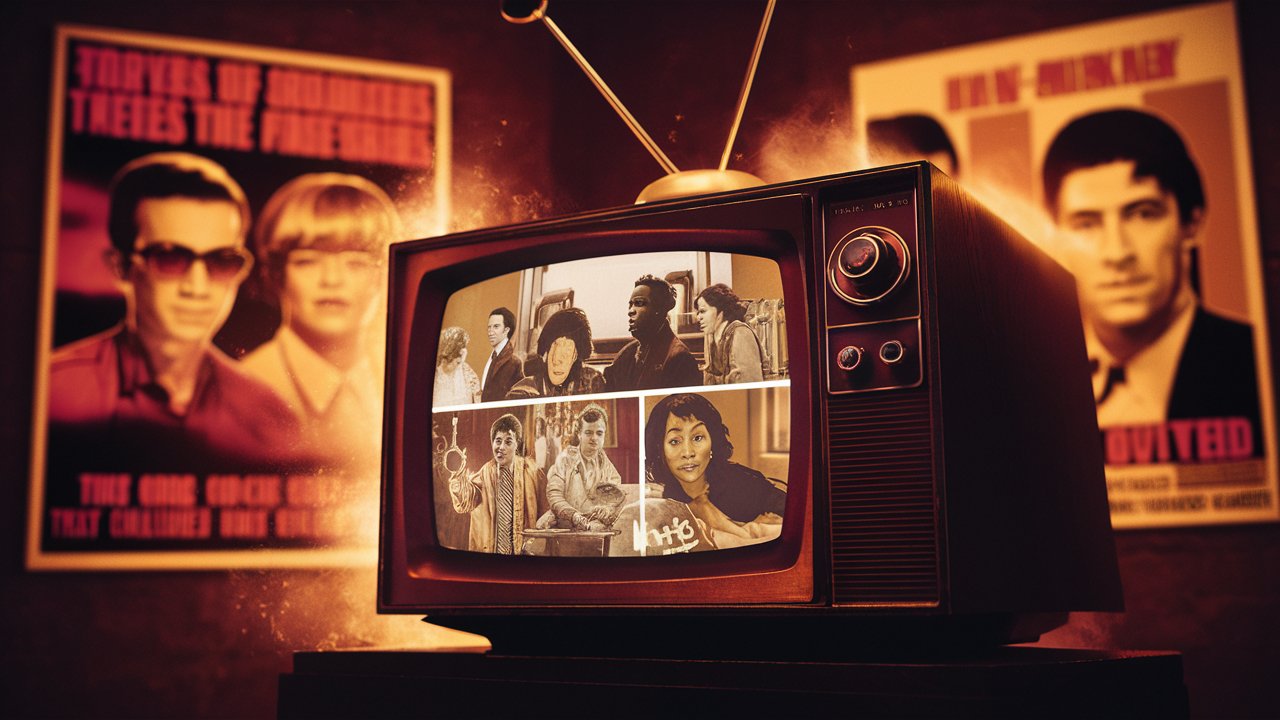
The 1970s marked a transformative era in television history, a decade when creativity, social awareness, and bold storytelling converged to reshape the small screen. Unlike earlier television, which often avoided controversial topics, 70s television series began tackling real-world issues such as politics, gender roles, race relations, war, and economic struggles. These shows did not merely entertain; they reflected the changing values and tensions of society itself. As television entered more households than ever before, the medium became a powerful cultural force, and the series of the 1970s laid the foundation for the complex narratives and character-driven storytelling we see today.
What makes 70s television series particularly compelling is their willingness to experiment. Writers and producers pushed boundaries by blending comedy with drama, introducing morally complex characters, and allowing flawed protagonists to take center stage. This decade produced shows that are still referenced, rebooted, and studied, proving their enduring relevance in modern entertainment.
The Rise of Socially Conscious Storytelling in 70s Television Series
One of the defining characteristics of 70s television series was their focus on social realism. Shows like All in the Family and Good Times addressed topics that had previously been considered too risky for mainstream television. Racism, sexism, poverty, and political polarization were no longer avoided; instead, they were placed directly into living rooms across America. This shift allowed television to become a mirror of society rather than a mere escape from it, fostering conversations that extended beyond the screen.
These series often used humor as a tool to soften difficult subjects, making them accessible without diminishing their importance. By doing so, 70s television series proved that entertainment could be both engaging and meaningful. This approach influenced countless future shows, encouraging writers to trust audiences with complex themes and uncomfortable truths.
Iconic Sitcoms That Redefined Comedy
The sitcoms of the 1970s broke away from the idealized family structures of earlier decades and embraced realism and imperfection. The Mary Tyler Moore Show revolutionized how women were portrayed on television by presenting an independent, career-focused female lead who did not rely on marriage for fulfillment. Similarly, MASH* blended sharp comedy with emotional depth, using humor to explore the horrors of war and the fragility of human life.
These sitcoms demonstrated that comedy could coexist with serious storytelling, a concept that continues to influence modern television. The success of these series showed networks that audiences were ready for smarter, more layered humor, paving the way for today’s dramedies and character-driven comedies.
Groundbreaking Dramas of the 1970s
While sitcoms flourished, dramatic 70s television series also reached new creative heights. Shows like Kojak and Columbo transformed the crime genre by focusing on character psychology rather than simple mystery-solving. Meanwhile, Roots became a landmark miniseries that confronted the brutal realities of slavery, educating viewers while delivering emotionally powerful storytelling.
These dramas set new standards for narrative depth and historical awareness. They proved that television could handle epic stories traditionally reserved for film or literature, further elevating the medium’s artistic credibility.
Cultural Impact and Lasting Legacy
The influence of 70s television series extends far beyond their original broadcasts. Many modern shows borrow narrative structures, character archetypes, and thematic courage directly from this era. Reboots, remakes, and homages continue to introduce these classics to new generations, while streaming platforms have revived interest in vintage television content.
Beyond entertainment, these series helped shape public opinion and cultural norms. By addressing taboo subjects and presenting diverse perspectives, they contributed to broader social awareness and progress. The 1970s proved that television could be a powerful storytelling medium capable of shaping history as much as reflecting it.
Conclusion
The legacy of 70s television series lies in their fearless innovation and cultural relevance. This was the decade when television grew up, evolving from simple entertainment into a platform for meaningful storytelling and social commentary. The shows of the 1970s challenged conventions, expanded creative boundaries, and set the stage for the golden age of television that followed. Even decades later, their influence remains undeniable, reminding us that great television does more than entertain—it resonates, provokes thought, and endures.
Frequently Asked Questions (FAQ)
Why are 70s television series still popular today?
70s television series remain popular because they feature strong storytelling, memorable characters, and themes that are still relevant. Many of these shows addressed universal human experiences, making them timeless despite changing technology and viewing habits.
What made 70s television different from earlier decades?
Unlike earlier television, which often avoided controversial topics, 70s television series embraced social and political issues. This shift allowed for more realistic narratives and emotionally complex characters.
Which genres dominated 70s television series?
Sitcoms and dramas dominated the decade, particularly socially conscious comedies and character-driven crime dramas. Miniseries also gained popularity during this era.
How did 70s television influence modern shows?
Modern television draws heavily from 70s series by adopting serialized storytelling, flawed protagonists, and socially relevant themes. Many current creators cite the 1970s as a major influence on their work.
Are 70s television series worth watching today?
Absolutely. These series offer historical insight, strong writing, and performances that still hold up. They also provide valuable context for understanding how television evolved into what it is today.
