
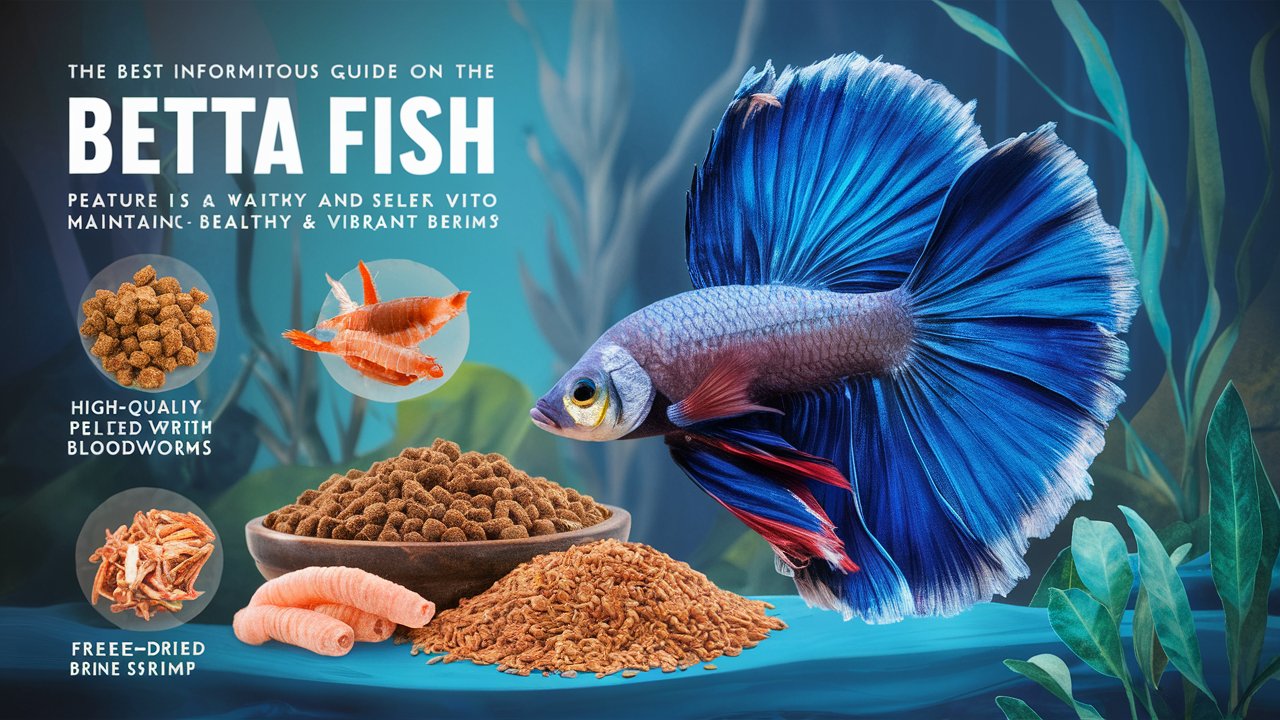
Betta fish food plays a critical role in determining the overall health, lifespan, and appearance of your betta fish. Although bettas are often marketed as easy, low-maintenance pets, improper feeding is one of the most common reasons betta fish suffer from bloating, lethargy, faded coloration, and shortened lifespans. Many new owners rely on generic fish flakes or overfeed without understanding that bettas are carnivorous by nature and require a diet rich in protein and essential nutrients. Learning how to choose the right betta fish food, how much to feed, and which foods to avoid can dramatically improve your betta’s quality of life and help your fish thrive rather than merely survive.
Understanding Betta Fish Nutrition
Betta fish are insectivores in the wild, meaning their natural diet consists mainly of insects, larvae, and small crustaceans found near the water’s surface. Because of this, betta fish food should be high in protein and low in fillers such as wheat, corn, and soy. A proper diet supports muscle development, immune function, digestion, and vibrant coloration. When bettas are fed foods that do not match their biological needs, they may appear sluggish, develop digestive problems, or become more susceptible to disease. Understanding the nutritional foundation of betta fish food allows owners to make informed decisions instead of relying on marketing claims.
Types of Betta Fish Food
Pellets are the most popular and widely recommended form of betta fish food because they are specifically formulated to meet the nutritional needs of bettas. High-quality betta pellets contain fish meal, shrimp meal, or insect protein as the primary ingredient and are designed to float, which matches a betta’s surface-feeding behavior. However, not all pellets are created equal, and low-quality brands often contain excessive fillers that provide little nutritional value.
Frozen foods such as bloodworms, brine shrimp, and daphnia are excellent supplements to pellet diets and closely resemble what bettas eat in the wild. These foods are rich in protein and help stimulate natural hunting behavior, but they should be fed in moderation to avoid overfeeding. Live foods offer similar benefits but come with a higher risk of introducing parasites if not sourced properly.
Homemade betta fish food is an option for experienced keepers who want full control over ingredients, though it requires careful preparation to ensure balanced nutrition. While flakes can be used occasionally, they are generally less suitable because they break down quickly in water and often contain ingredients bettas struggle to digest.
How Much and How Often to Feed Betta Fish
One of the most common mistakes in betta care is overfeeding. Betta fish have small stomachs roughly the size of their eye, and feeding too much can quickly lead to bloating and constipation. Most adult bettas should be fed once or twice a day, with only two to four small pellets per feeding depending on pellet size. Observing your betta’s behavior after feeding is essential, as leftover food sinking to the bottom of the tank can pollute the water and harm your fish over time.
Fasting your betta one day per week can help regulate digestion and prevent health issues. Feeding schedules should also be adjusted for age, activity level, and water temperature, as metabolism slows in cooler environments. Consistency and moderation are far more important than feeding large quantities.
Foods to Avoid Feeding Betta Fish
Certain foods should never be part of a betta fish diet. Bread, rice, human food scraps, and plant-based foods are difficult for bettas to digest and can cause severe digestive problems. Generic tropical fish flakes are also unsuitable as a staple food because they are formulated for omnivorous fish rather than carnivores. Freeze-dried foods can be used sparingly but must be soaked before feeding to reduce the risk of bloating. Understanding what not to feed is just as important as choosing the right betta fish food.
Choosing the Best Betta Fish Food Brand
When selecting a betta fish food brand, always read the ingredient list rather than relying on packaging claims. The first ingredient should be a high-quality protein source, and artificial colors or excessive preservatives should be avoided. Reputable brands invest in research-based formulas that support digestion, immune health, and coloration. Rotating between pellets and occasional frozen foods creates dietary variety and ensures your betta receives a broad range of nutrients.
Conclusion
Choosing the right betta fish food is one of the most important responsibilities of betta ownership. A protein-rich, species-appropriate diet supports strong immunity, vivid coloration, proper digestion, and long life. By understanding betta nutrition, selecting high-quality foods, feeding appropriate portions, and avoiding harmful options, you create an environment where your betta can truly thrive. Feeding is not just a routine task but a cornerstone of responsible and rewarding fish care.
Frequently Asked Questions (FAQ)
What is the best betta fish food?
The best betta fish food is a high-protein pellet specifically formulated for bettas, supplemented with frozen or live foods like bloodworms or brine shrimp.
Can betta fish eat flakes?
Betta fish can eat flakes occasionally, but flakes should not be their main diet because they often lack adequate protein and can cause digestive issues.
How often should I feed my betta fish?
Most betta fish should be fed once or twice daily with small portions, and fasting one day per week is recommended for digestive health.
Are bloodworms good for betta fish?
Bloodworms are excellent treats for bettas, but they should be fed in moderation to prevent overfeeding and bloating.
How do I know if I’m overfeeding my betta?
Signs of overfeeding include bloating, uneaten food in the tank, lethargy, and poor water quality.
