
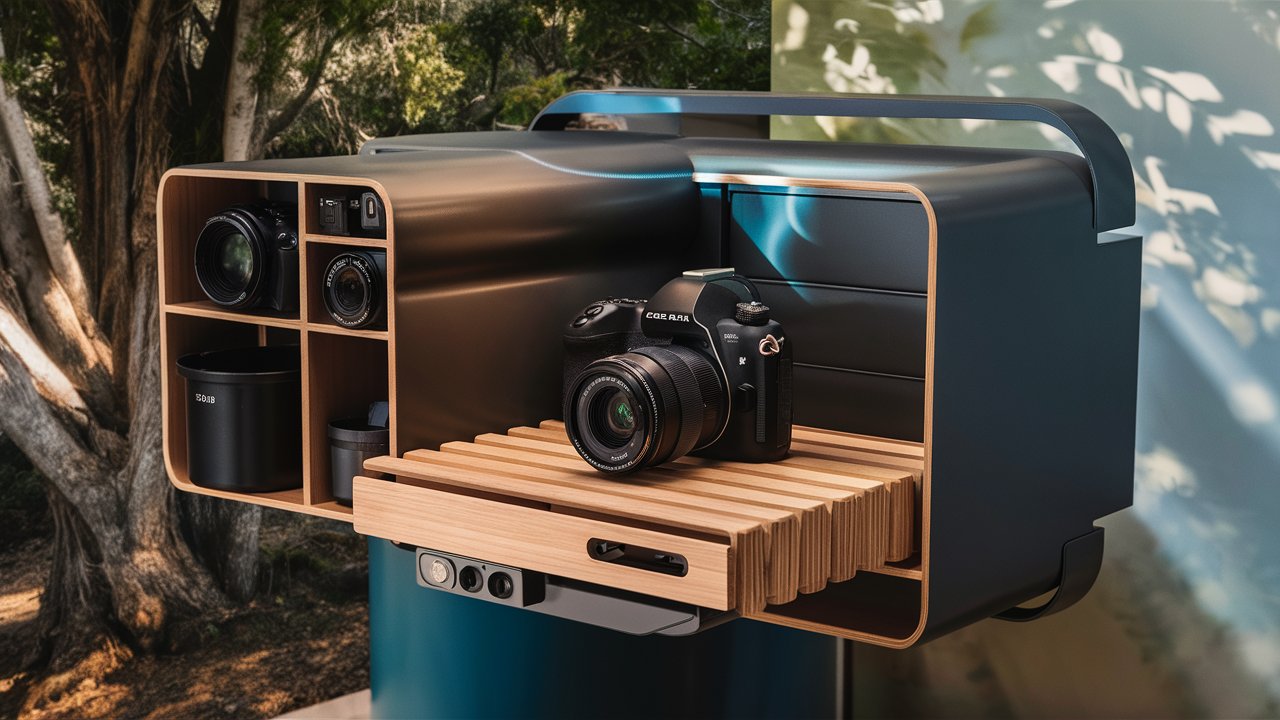
Properly storing a camera is one of the most important aspects of maintaining photography equipment. Cameras are delicate devices that contain sensitive sensors, lenses, and electronic components that can easily be damaged by dust, humidity, or improper handling. Whether it’s a DSLR, mirrorless, or compact camera, knowing how to store it correctly ensures that it remains in excellent working condition for years. Many photographers invest heavily in their gear but overlook the importance of proper storage, which can lead to issues like mold growth, corrosion, or malfunctioning buttons. This article explores the best methods for storing camera, including ideal environments, protective accessories, and maintenance tips to preserve image quality and extend the lifespan of photography equipment.
1. Importance of Proper Camera Storage
Understanding the importance of proper camera storage is the first step toward protecting valuable gear. Cameras are highly sensitive to environmental factors such as temperature, humidity, and dust. Storing a camera in a damp or dusty area can cause internal damage, lens fungus, and corrosion of metal parts. Proper storage not only prevents physical damage but also ensures that the camera performs optimally when needed. For professional photographers, maintaining equipment in pristine condition is essential for consistent results, while hobbyists benefit from avoiding costly repairs or replacements. A well-stored camera also retains its resale value, making it a wise long-term investment.
2. Choosing the Right Camera Storage Location
Selecting the right location for storing a camera is crucial. The ideal environment should be cool, dry, and free from direct sunlight. Excessive heat can damage internal circuits, while humidity can lead to mold growth on lenses and sensors. A temperature-controlled room with low humidity levels is best for long-term storage. Avoid storing cameras in basements, attics, or near windows where temperature fluctuations are common. A dedicated cabinet or shelf away from kitchen steam or bathroom moisture is ideal. For photographers living in humid climates, using a dehumidifying cabinet or silica gel packs can help maintain the right moisture balance and prevent condensation inside the camera body.
3. Using Camera Bags and Cases for Protection
Camera bags and cases are essential for protecting photography gear from physical damage and environmental exposure. A high-quality camera bag with padded compartments keeps the camera and lenses safe from shocks, scratches, and dust. Hard cases are ideal for travel or long-term storage, as they provide superior protection against impact and moisture. When storing a camera for an extended period, it’s best to remove the battery and memory card to prevent corrosion or data loss. Additionally, using lens caps and body caps helps keep dust and debris from entering sensitive areas. Investing in a weather-sealed camera bag ensures that the equipment remains safe even in unpredictable conditions.
4. Controlling Humidity and Preventing Mold
Humidity is one of the biggest threats to camera equipment. High humidity levels can cause lens fungus, which appears as cloudy spots or streaks inside the lens elements. To prevent this, controlling humidity is essential. Using silica gel packets inside camera bags or storage boxes helps absorb excess moisture. For professional photographers or those living in tropical regions, a dry cabinet is a worthwhile investment. These cabinets maintain a consistent humidity level, protecting cameras, lenses, and accessories from mold and corrosion. Regularly checking and replacing silica gel packets ensures continued effectiveness. Keeping the camera in a well-ventilated area also helps prevent moisture buildup.
5. Storing Camera Batteries Safely
Camera batteries require special attention during storage. Leaving batteries inside the camera for long periods can lead to leakage or corrosion, damaging internal components. It’s best to remove batteries when the camera is not in use for extended periods. Store them in a cool, dry place, ideally in a battery case to prevent contact with metal objects. Lithium-ion batteries should be stored with a partial charge—around 40–60%—to maintain their health. Avoid exposing batteries to extreme temperatures, as heat can degrade their capacity and cold can reduce performance. Regularly checking battery condition and charging them periodically helps extend their lifespan.
6. Long-Term Camera Storage Tips
For photographers who don’t use their cameras frequently, long-term storage requires extra care. Before storing, clean the camera thoroughly using a microfiber cloth and a blower to remove dust and fingerprints. Ensure that the camera and lenses are completely dry to prevent mold growth. Store the camera in a padded case or dry cabinet with silica gel packs. Avoid wrapping the camera in plastic, as it can trap moisture. Periodically checking the camera every few months ensures that it remains in good condition. Turning it on occasionally and taking a few shots helps keep the internal mechanisms functional and prevents stiffness in buttons or dials.
7. Storing Camera Lenses and Accessories
Camera lenses and accessories also need proper storage to maintain performance. Lenses should always be stored with both front and rear caps on to prevent dust accumulation. Keeping them upright in a padded case or dry cabinet minimizes the risk of scratches or damage. Filters, memory cards, and cleaning tools should be organized in separate compartments to avoid contact with delicate surfaces. Using anti-fungal agents or moisture absorbers in the storage area helps protect lenses from fungus. Regularly inspecting lenses for signs of mold or dust ensures early detection and easier cleaning before the problem worsens.
8. Travel and Temporary Camera Storage
When traveling, temporary camera storage becomes essential to protect gear from environmental changes and physical damage. Using a weather-sealed camera bag with adjustable dividers ensures that each piece of equipment stays secure. During flights, carrying the camera as hand luggage prevents exposure to extreme temperatures in cargo holds. Avoid leaving the camera in a hot car, as heat can damage sensors and batteries. When staying in humid areas, keeping silica gel packets inside the bag helps control moisture. After returning from travel, cleaning and airing out the camera bag prevents mold growth and maintains freshness.
Conclusion
Storing camera is vital for preserving its performance, appearance, and longevity. From controlling humidity and temperature to using protective cases and removing batteries, every step contributes to keeping photography gear in top condition. Whether storing a camera for a few days or several months, following these best practices ensures that it remains ready for use whenever inspiration strikes. Investing time and care in camera storage not only protects valuable equipment but also enhances the overall photography experience by ensuring reliability and image quality for years to come.
Frequently Asked Questions
1. What is the best way to store a camera when not in use?
The best way to store a camera is in a cool, dry place inside a padded camera bag or dry cabinet. Remove the battery and memory card, use lens caps, and include silica gel packs to control humidity.
2. How can humidity damage a camera?
Humidity can cause lens fungus, corrosion of metal parts, and malfunctioning of electronic components. Controlling moisture levels with silica gel or a dry cabinet prevents these issues.
3. Should camera batteries be removed during storage?
Yes, batteries should be removed when storing a camera for long periods to prevent leakage or corrosion. Store them separately in a cool, dry place with a partial charge.
4. Can plastic bags be used for camera storage?
Plastic bags are not recommended because they can trap moisture, leading to mold growth. Instead, use breathable materials or a dry cabinet for safe storage.
5. How often should a stored camera be checked?
A stored camera should be checked every few months. Turning it on and taking a few photos helps keep internal mechanisms functional and prevents stiffness in buttons or dials.
