
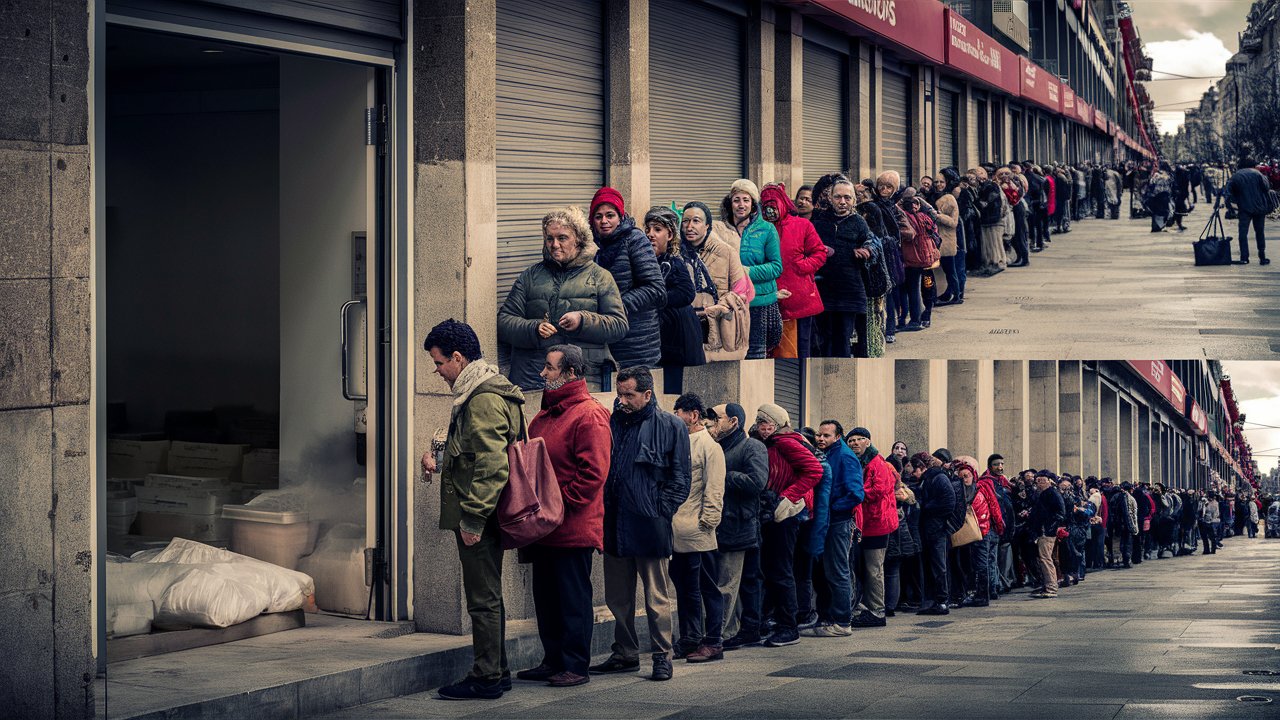
Spain is often associated with rich cuisine, strong agricultural traditions, and a high quality of life, yet hunger remains a persistent and often overlooked issue across the country. Despite being one of Europe’s largest economies, Spain continues to face serious challenges related to food insecurity, poverty, and social inequality. Hunger in Spain does not always appear in extreme forms but instead manifests through inconsistent access to nutritious food, reliance on food banks, and households forced to choose between basic needs. Understanding Spain hunger requires looking beyond surface-level economic indicators and examining the structural, social, and economic realities affecting millions of residents.
The Reality of Hunger in Spain
Hunger in Spain is closely tied to food insecurity, a condition in which individuals or families lack reliable access to sufficient, affordable, and nutritious food. This issue affects urban and rural areas alike, with higher concentrations in economically vulnerable neighborhoods. While Spain produces an abundance of food, distribution inequalities, low wages, and unstable employment mean that many people cannot consistently afford healthy meals. Hunger is often hidden, occurring behind closed doors where families skip meals or reduce portion sizes to stretch limited resources.
Economic Inequality and Poverty as Key Drivers
One of the main causes of Spain hunger is economic inequality. Although the country has experienced periods of economic growth, wealth distribution remains uneven. Temporary contracts, unemployment, and low-income jobs leave many workers financially insecure. Families living paycheck to paycheck are especially vulnerable to rising food prices, housing costs, and energy expenses. Poverty in Spain disproportionately affects single-parent households, migrants, the elderly, and young people, increasing their risk of hunger and malnutrition.
Food Insecurity Among Children and the Elderly
Children and older adults are among the most affected groups when it comes to hunger in Spain. For children, food insecurity can result in poor nutrition, reduced academic performance, and long-term health consequences. Many rely on school meal programs as their most consistent source of balanced food. Elderly individuals, particularly those living alone on limited pensions, often struggle to afford fresh and nutritious ingredients. Hunger in these populations highlights how Spain hunger is not only an economic issue but also a public health concern.
Regional Disparities and Social Exclusion
Hunger in Spain does not affect all regions equally. Areas with higher unemployment rates and lower economic investment tend to experience greater food insecurity. Migrant communities and undocumented workers face additional barriers, including limited access to social services and employment protections. Social exclusion, language barriers, and lack of awareness about available assistance programs can worsen hunger and prevent people from seeking help even when resources exist.
Government Policies and Social Safety Nets
The Spanish government has implemented various social protection measures aimed at reducing hunger, including minimum income schemes, food assistance programs, and subsidies for vulnerable households. While these initiatives have helped many people, gaps remain in coverage and accessibility. Bureaucratic complexity and eligibility requirements sometimes prevent those most in need from receiving support. Addressing Spain hunger effectively requires strengthening these safety nets and ensuring that assistance reaches all vulnerable populations.
The Role of NGOs and Community Organizations
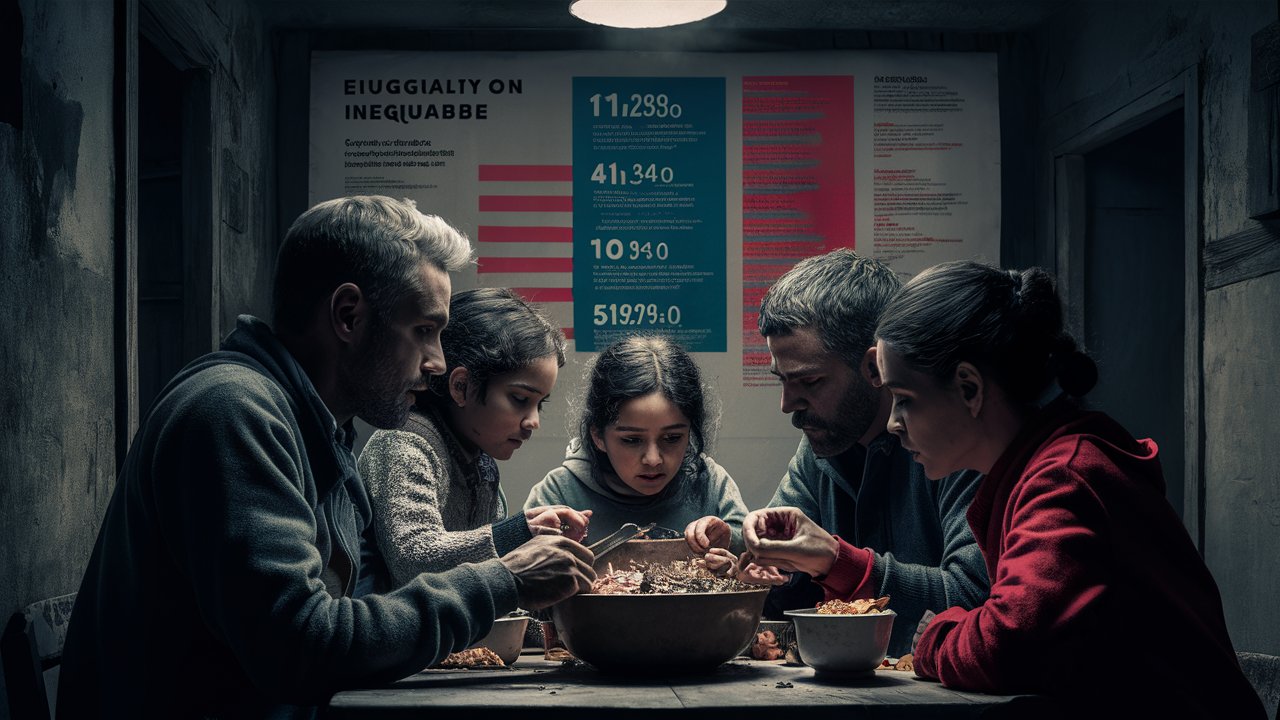
Non-governmental organizations play a critical role in combating hunger in Spain. Food banks, charities, and local community groups provide emergency food aid, meals, and nutritional support to thousands of families every day. These organizations often act as the first line of defense against hunger, especially during economic crises. However, reliance on charitable food assistance also underscores the need for long-term structural solutions rather than temporary relief.
Long-Term Solutions to Hunger in Spain
Solving Spain hunger requires a comprehensive approach that addresses both immediate needs and underlying causes. Policies focused on fair wages, stable employment, affordable housing, and access to education can significantly reduce food insecurity. Supporting local food systems, reducing food waste, and improving nutrition education are also essential strategies. Long-term progress depends on collaboration between government institutions, civil society, and communities working together to ensure that no one is left without access to adequate food.
Conclusion
Hunger in Spain is a complex issue rooted in economic inequality, social exclusion, and structural challenges rather than food scarcity. While the country has the resources to feed its population, disparities in income, employment, and access to support systems continue to leave many people vulnerable. Addressing Spain hunger requires sustained political commitment, effective social policies, and community engagement. By recognizing hunger as both a social and economic problem, Spain can move toward a future where food security is a reality for all.
Frequently Asked Questions (FAQ)
Is hunger a serious problem in Spain?
Yes, hunger and food insecurity affect many households in Spain, particularly those facing poverty, unemployment, or social exclusion, even though the country has abundant food resources.
What causes hunger in Spain?
The main causes include economic inequality, low wages, unemployment, high living costs, and limited access to social support for vulnerable populations.
Who is most affected by hunger in Spain?
Children, elderly individuals, migrants, single-parent families, and low-income workers are among the most affected groups.
How does Spain address hunger?
Spain uses a combination of government welfare programs, school meal initiatives, and support from NGOs and food banks, though challenges in accessibility remain.
What can be done to reduce hunger in Spain?
Long-term solutions include improving wages, strengthening social safety nets, reducing inequality, and ensuring universal access to nutritious food.
