
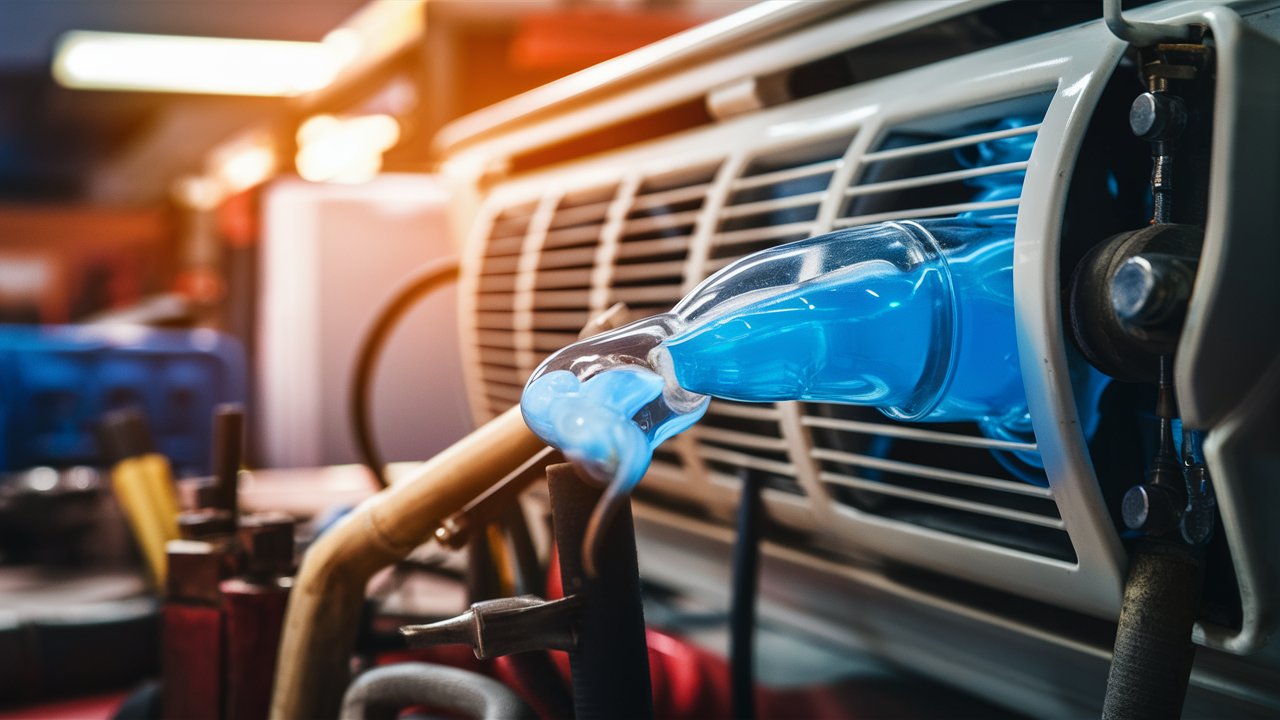
Freon ac is a term commonly used to describe the refrigerant gas that powers air conditioning (AC) systems, enabling them to cool indoor spaces efficiently. Over the years, Freon has become synonymous with cooling technology, but few people understand what it truly is, how it works, and why modern systems are moving away from older Freon types. This comprehensive guide explores everything about Freon in AC systems, including its types, environmental impact, maintenance tips, and the best practices for handling refrigerants safely. Whether for residential or commercial use, understanding Freon is essential for maintaining energy efficiency, ensuring safety, and complying with environmental regulations.
What Is Freon in AC Systems?
Freon is a brand name originally trademarked by DuPont for a class of chemical compounds known as chlorofluorocarbons (CFCs) and hydrochlorofluorocarbons (HCFCs). These compounds act as refrigerants in air conditioning and refrigeration systems. The most common type historically used in AC units was Freon-22, also known as R-22. This refrigerant circulates through the AC system, absorbing heat from indoor air and releasing it outdoors, thus cooling the interior environment. However, due to its ozone-depleting properties, R-22 has been phased out in many countries and replaced by more environmentally friendly alternatives like R-410A and R-32.
How Freon Works in an Air Conditioner
The cooling process in an air conditioner relies on the refrigeration cycle, where Freon plays a central role. The refrigerant starts as a low-pressure gas and is compressed into a high-pressure, high-temperature gas by the compressor. It then moves through the condenser coils, where it releases heat and condenses into a liquid. This liquid Freon travels through an expansion valve, reducing its pressure and temperature before entering the evaporator coils. Inside the evaporator, it absorbs heat from the indoor air, turning back into a gas. This continuous cycle of compression, condensation, and evaporation allows the AC system to maintain a comfortable indoor temperature.
Types of Freon and Modern Alternatives
Over time, several types of Freon have been developed, each with distinct chemical compositions and environmental impacts. The most notable types include:
- R-12 (CFC-12): Once widely used in older AC systems and refrigerators, R-12 was banned due to its high ozone depletion potential.
- R-22 (HCFC-22): Commonly known as Freon-22, this refrigerant was used in most residential AC systems until its phase-out began in 2010.
- R-410A: A modern, chlorine-free refrigerant that replaced R-22 in new systems. It offers better energy efficiency and cooling performance.
- R-32: A newer alternative with lower global warming potential (GWP) and higher energy efficiency, increasingly used in advanced AC models.
Switching to these newer refrigerants not only helps protect the environment but also improves system performance and reduces long-term maintenance costs.
Environmental Impact of Freon
Freon’s environmental impact has been a major concern for decades. Older Freon types, particularly R-12 and R-22, contain chlorine, which contributes to ozone layer depletion when released into the atmosphere. This led to international agreements such as the Montreal Protocol, which mandated the gradual phase-out of ozone-depleting substances. Modern refrigerants like R-410A and R-32 are designed to minimize environmental harm, but they still have some global warming potential. Proper handling, recycling, and disposal of refrigerants are therefore essential to prevent leaks and reduce emissions.
Signs of Low Freon in an AC System
Low Freon levels can significantly affect an air conditioner’s performance. Common signs include reduced cooling efficiency, longer cooling cycles, ice buildup on the evaporator coils, and hissing sounds from refrigerant leaks. When Freon levels drop, the system must work harder to maintain the desired temperature, leading to higher energy consumption and potential compressor damage. Regular maintenance and professional inspections can help detect and fix leaks early, ensuring optimal performance and longevity of the AC unit.
How to Refill or Replace Freon Safely
Refilling or replacing Freon in an AC system should always be performed by a certified HVAC technician. Handling refrigerants requires specialized equipment and knowledge of environmental regulations. The technician will first check for leaks, repair any damaged components, and then recharge the system with the appropriate refrigerant type. Using the wrong refrigerant or overcharging the system can cause severe damage and void warranties. Homeowners should also ensure that their AC units comply with current refrigerant standards to avoid legal and environmental issues.
Maintenance Tips for Freon-Based AC Systems
Proper maintenance is key to keeping Freon-based AC systems efficient and safe. Regularly cleaning air filters, checking refrigerant levels, and inspecting coils can prevent performance issues. Scheduling annual professional servicing ensures that refrigerant levels remain optimal and that any leaks are promptly addressed. Additionally, upgrading to newer, energy-efficient systems that use eco-friendly refrigerants can reduce energy bills and environmental impact over time.
The Future of Freon and Refrigerant Technology
The HVAC industry is rapidly evolving toward sustainable cooling solutions. Research and innovation are driving the development of next-generation refrigerants with ultra-low global warming potential. Natural refrigerants like carbon dioxide (CO₂), ammonia (NH₃), and hydrocarbons are gaining popularity as viable alternatives. As environmental regulations tighten, the use of traditional Freon ac will continue to decline, paving the way for greener and more efficient cooling technologies.
Conclusion
Freon ac has played a vital role in the evolution of air conditioning technology, but its environmental drawbacks have led to significant changes in the industry. Understanding how Freon works, recognizing the signs of low refrigerant levels, and adopting eco-friendly alternatives are essential steps toward sustainable cooling. With proper maintenance and awareness, both homeowners and businesses can enjoy efficient air conditioning while contributing to environmental preservation.
Frequently Asked Questions (FAQ)
1. What is Freon used for in an AC system?
Freon acts as the refrigerant that absorbs and releases heat, enabling the air conditioner to cool indoor spaces effectively.
2. Can Freon be replaced with another refrigerant?
Yes, but only by a certified technician. The replacement refrigerant must be compatible with the AC system’s design and specifications.
3. How often should Freon be refilled?
Freon does not need regular refilling unless there is a leak. If cooling performance drops, a professional inspection is recommended.
4. Is Freon harmful to the environment?
Older Freon types like R-22 are harmful due to their ozone-depleting properties. Modern alternatives such as R-410A and R-32 are more environmentally friendly.
5. How can Freon leaks be detected?
Signs include reduced cooling, ice buildup, and hissing noises. Technicians use specialized tools like electronic leak detectors to confirm leaks.
6. What is replacing Freon in new AC systems?
New systems primarily use R-410A or R-32, which are more energy-efficient and have lower environmental impact compared to older Freon types.
